
Google Shifts Hardware Strategy: Moving Away from Samsung for Pixel 11
Google is significantly altering its hardware supply chain, marking a departure from its long-standing reliance on Samsung components. While the tech giant previously integrated various Samsung parts into its Pixel lineup during the 2021 redesign, recent reports suggest that the upcoming Pixel 11 series will feature even fewer components from its South Korean partner. This strategic shift reflects Google's growing focus on diversifying its hardware ecosystem and leveraging alternative technologies to power its future devices.
- ✨ The Pixel 11 series is set to replace Samsung’s Exynos 5G modem with a MediaTek 5G solution.
- ✨ Future Google Tensor G6 chips may be manufactured using TSMC’s advanced 2nm process node.
- ✨ Google's dependency on Samsung will likely be limited to specific components like OLED panels and memory chips.
- ✨ The Pixel 11 lineup is expected to include four models: Pixel 11, Pro, Pro XL, and Pro Fold, launching with Android 17.

Transitioning to MediaTek for Cellular Connectivity
The most notable change for the upcoming flagship devices is the move away from Samsung’s Exynos 5G modems. According to recent findings from the FCC database, the Pixel 11 series documentation references the use of MediaTek’s TA-SAR v2 algorithm, signaling a switch to MediaTek cellular technology. This move suggests that Google is looking for greater efficiency and performance in its connectivity hardware, potentially aiming for a more seamless integration with its custom-designed Tensor G6 silicon.
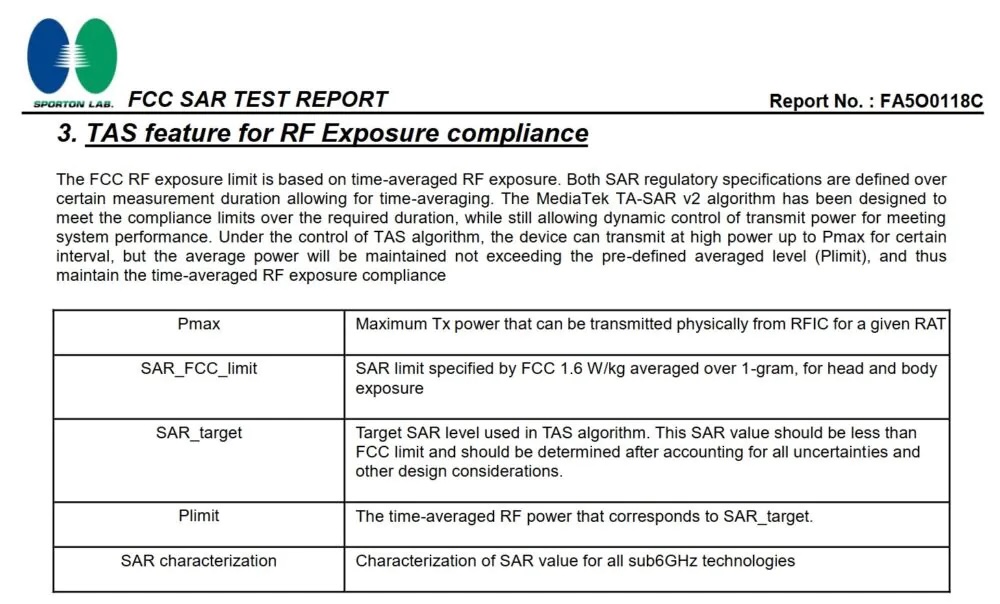
Industry sources indicate that the Tensor G6 chip will be paired with the MediaTek M90 modem. Built on TSMC’s 2nm process node, this chip is expected to deliver impressive download speeds of up to 12GB/s on compatible networks. Furthermore, the hardware is slated to support advanced features, including dual active 5G connections and direct satellite connectivity for emergency communications, providing a robust foundation for the next generation of Pixel 11 series smartphones.
Is Google cutting ties with Samsung entirely?
No, Google continues to rely on Samsung for critical components such as high-quality OLED display panels, specific camera sensors, and DRAM/UFS storage chips. The shift is primarily focused on processing and modem hardware.
What is the expected launch date for the Pixel 11?
The Pixel 11 series is reportedly scheduled to launch on August 12, following the release of Samsung's latest foldable devices.
Will the new Pixel phones support satellite connectivity?
Yes, the new hardware configuration with the MediaTek M90 modem is expected to support direct satellite connectivity for emergency messaging and calls.
What operating system will the Pixel 11 run?
The Pixel 11 series is expected to run Android 17 straight out of the box, offering the latest software features and security updates from Google.
🔎 As Google continues to refine its hardware strategy, the shift toward TSMC and MediaTek signifies a pivotal evolution in the Pixel brand. By distancing itself from Samsung’s foundry and modem solutions, Google is positioning its future devices to capitalize on the latest manufacturing nodes and connectivity standards. While Samsung remains a vital partner for display and memory technology, the Pixel 11 series represents a bold step toward a more diversified and custom-tailored hardware future.
Post a Comment