
Samsung Maintains Lead in Q2 2026 While Chinese Smartphone Brands Struggle
Samsung has recently addressed reports regarding its smartphone division experiencing a loss during the second quarter of 2026. However, contrary to what some might assume, this financial dip does not mean Galaxy phone sales have slowed down. In fact, Samsung's overall sales figures have shown positive growth compared to the previous year, solidifying its position as the undisputed global leader in the smartphone industry.
Key Takeaways
- ✨ Samsung remains the top global smartphone brand in Q2 2026, shipping 60.5 million units and claiming a 22% market share.
- ✨ Apple secured the second position with a 20% market share following an impressive 24% year-over-year shipment growth.
- ✨ Major Chinese smartphone manufacturers, including Xiaomi, OPPO, and Vivo, suffered sharp double-digit shipment declines during the same quarter.
- ✨ Rising production and component costs continue to apply heavy pressure on budget-friendly device brands across the market.
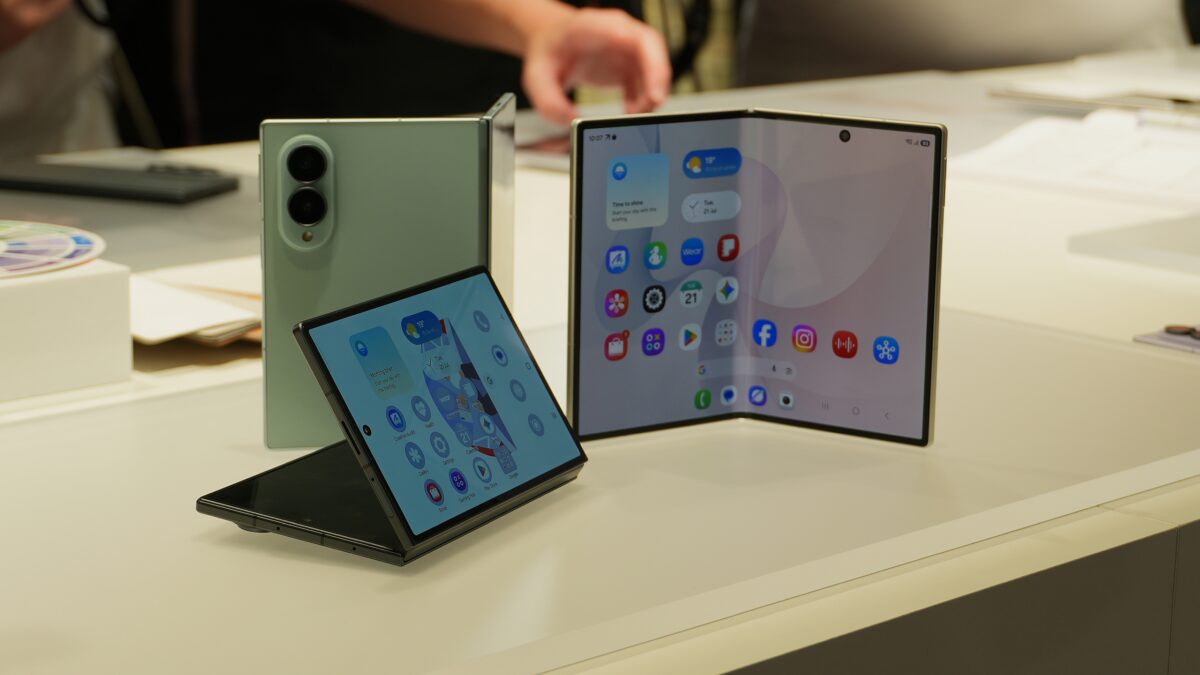
Samsung Dominate the Global Smartphone Market
Recent market research data from Omdia indicates that Samsung successfully shipped 60.5 million Galaxy devices throughout the second quarter of 2026. This performance accounts for a 22% slice of the worldwide smartphone market, highlighting a 5% increase in total shipments and a two-percentage-point expansion in market share compared to Q2 2025.
This positive trajectory comes as a major advantage for the South Korean tech giant, especially given that competing Chinese manufacturers experienced significant sales regressions during the exact same timeframe. Meanwhile, Apple closely followed in second place with a 20% market share, boasting a massive 24% surge in annual shipments. The Cupertino-based company is rapidly closing the distance, though it previously touched similar heights back in 2023.
Severe Market Challenges Impact Chinese Smartphone Manufacturers
Budget-friendly smartphone leader Xiaomi shipped 31.2 million devices during Q2 2026—roughly half of Samsung's total volume—securing an 11% market share. However, its total shipments plummeted by an alarming 26% year-over-year. These metrics, which incorporate data from its Redmi and POCO subsidiaries, suggest that escalating memory chip expenditures are only part of a broader systemic challenge.
Similarly, OPPO shipped 28.4 million units to capture a 10% market share, including contributions from Realme and OnePlus. Overall, OPPO's shipments decreased by 17% relative to the previous year. Competitor Vivo also faced headwinds, shipping 21.5 million smartphones worldwide for an 8% market share, representing an 18% annual drop.
Other notable industry players—including Motorola, Google, Huawei, Honor, Nothing, Infinix, ASUS, and Tecno—collectively managed 75.2 million shipments, accounting for a 28% market share. As component prices and manufacturing costs continue to climb globally, smaller and mid-tier brands may face even steeper hurdles ahead.
Did Samsung's smartphone division report a financial loss in Q2 2026?
Yes, Samsung announced that its smartphone division recorded a financial loss during the second quarter of 2026, though this was independent of its actual sales volume, which experienced a healthy year-over-year increase.
What was Samsung's global market share in Q2 2026?
Samsung maintained its position as the top global smartphone brand with a 22% market share, shipping approximately 60.5 million Galaxy devices during the quarter.
How did Apple perform in the global smartphone market?
Apple ranked second globally with a 20% market share, driven by a substantial 24% growth in shipments compared to the same period in the previous year.
Why are Chinese smartphone brands experiencing sales declines?
Major Chinese manufacturers like Xiaomi, OPPO, and Vivo faced double-digit shipment drops due to rising memory chip costs, increased production expenses, and fierce competitive pressures.
🔎 Ultimately, the mobile industry landscape in 2026 demonstrates that established market leaders like Samsung and Apple are best equipped to navigate economic fluctuations and supply chain cost adjustments. While budget brands grapple with consecutive quarters of sharp shipment declines, premium device manufacturers continue to sustain strong consumer demand, pointing toward a transformative shift in the global technology sector.
Post a Comment