
Samsung Reports Record-Breaking Q2 Financial Growth Driven by Memory Chip Demand
Executive Summary
Samsung Electronics has announced its financial results for the second quarter, highlighting a massive surge in operating profits largely powered by strong performance in the semiconductor and memory chip sectors. Despite facing minor headwinds in mobile device manufacturing costs, the company reached historic revenue and profit milestones globally.
- ✨ Samsung achieved a record-breaking revenue of KRW 171.5 trillion and an operating profit of KRW 89.5 trillion for the quarter.
- ✨ The stellar financial growth was primarily fueled by skyrocketing global demand and high pricing for memory solutions like DRAM, HBM, and NAND flash.
- ✨ While the Device Solutions division soared, the mobile and TV segments experienced pressure due to the steeply rising cost of components.
- ✨ Strategic expansions in OLED display manufacturing and advanced 2nm and 4nm semiconductor foundry nodes continue to drive future optimism.
After revealing its initial financial estimates earlier this month, Samsung Electronics has officially published its comprehensive earnings figures for the second quarter. The technology giant recorded a historic revenue high of KRW 171.5 trillion (~$116.6 billion) alongside an unprecedented operating profit of KRW 89.5 trillion (~$60.9 billion).
This massive revenue represents a 28% increase compared to the previous quarter and roughly a 130% surge year-over-year. Most notably, quarterly profit skyrocketed by over 1,800% when compared to the KRW 4.7 trillion (~$3.2 billion) reported in the same period last year. These historic milestones were propelled overwhelmingly by high-performance memory products, including DRAM, High Bandwidth Memory (HBM), and NAND flash components.
Earnings per share climbed to KRW 10,849, registering a substantial 52% growth rate that places Samsung among the elite tier of top-performing global technology corporations.
Semiconductor Chips Drive Exceptional Performance
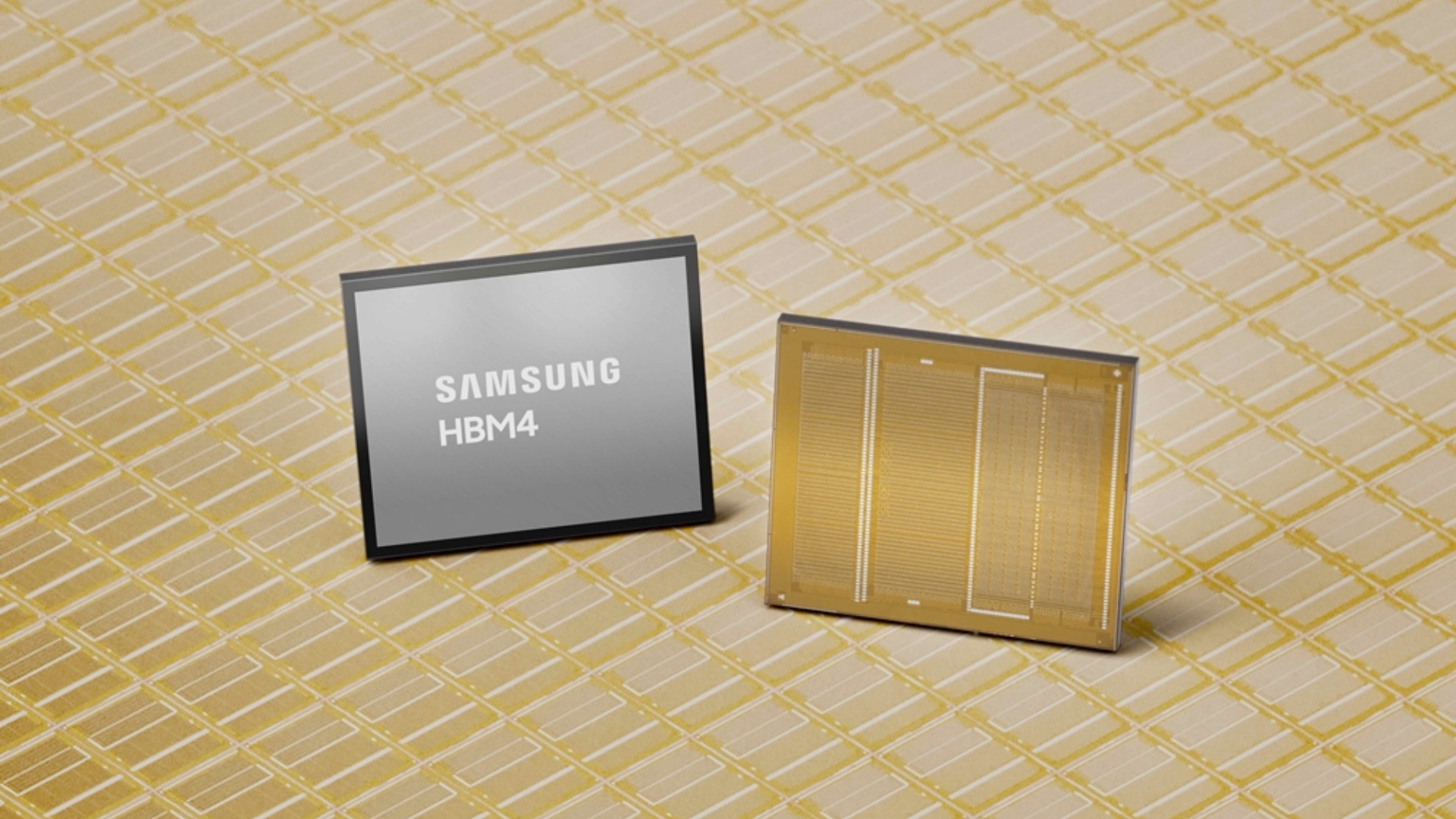
The Device Solutions (DS) division, responsible for designing and manufacturing cutting-edge semiconductor chips, witnessed a 56% revenue expansion compared to the prior quarter. The division reported a massive revenue figure of KRW 127.5 trillion (~$86.7 billion) alongside an operating profit of KRW 89.2 trillion (~$60.7 billion).
- Revenue: KRW 127.5 trillion (~$86.7 billion)
- Profit: KRW 89.2 trillion (~$60.7 billion)
The Memory Business division capitalized heavily on exceptional market demand and elevated chip pricing structures. Meanwhile, the System LSI segment achieved record revenue in the first half of the year, driven by strong adoption rates for Exynos processors and high-resolution ISOCELL camera sensors despite a competitive smartphone landscape.
Samsung Foundry benefited from supplying crucial HBM base dies internally while securing key manufacturing orders for next-generation flagship Exynos processors. Looking forward, the foundry is actively preparing for mass production of advanced second-generation 2nm nodes to target double-digit growth among global clients.
Home Appliance, Mobile, TV, and Network Divisions
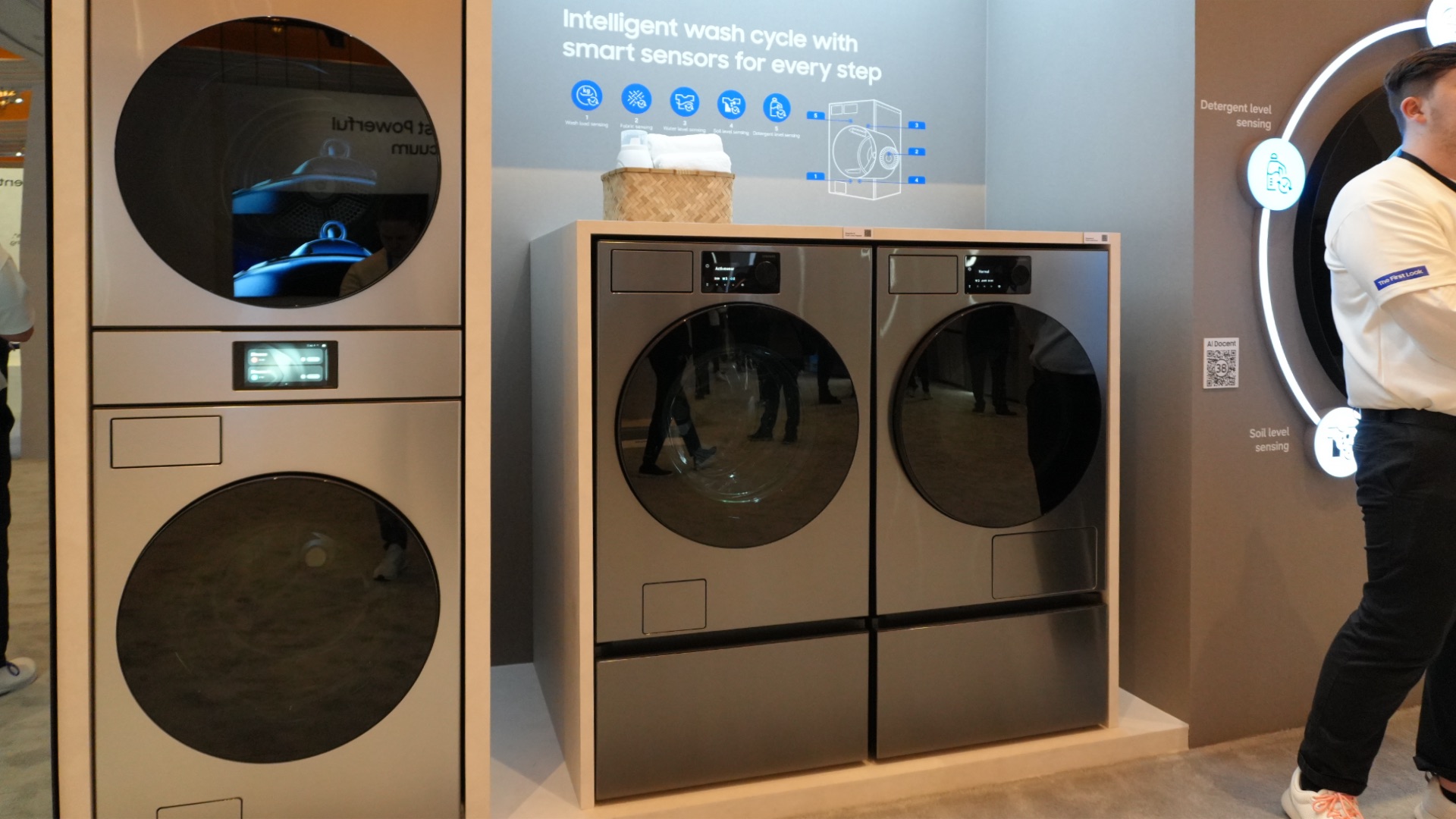
Conversely, the Device eXperience (DX) division encountered profitability challenges, registering an overall operating loss of roughly KRW 800 billion (~$544 million).
- Loss: KRW 800 billion (~$544 million)
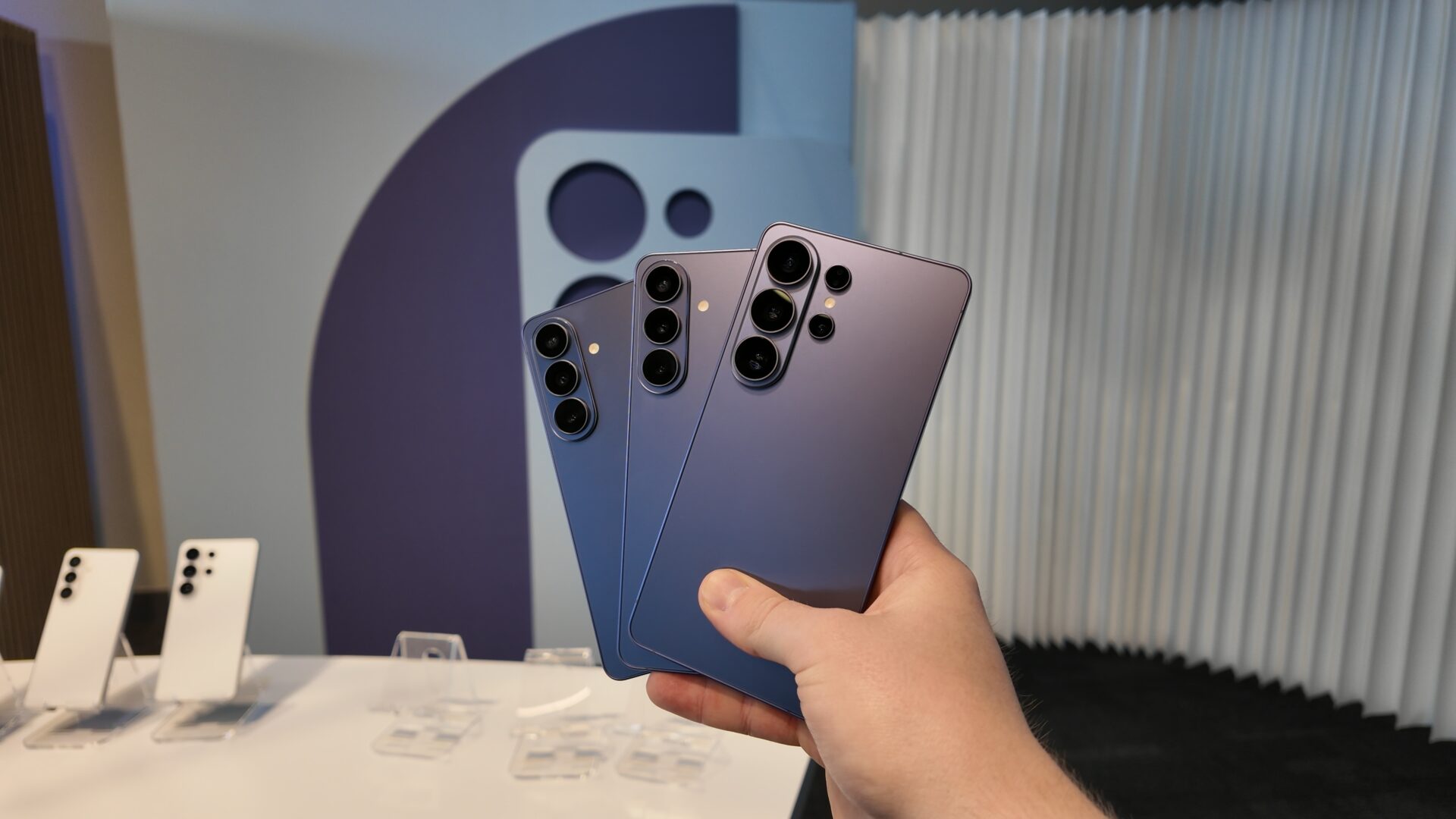
The MX (Mobile eXperience) division accounted for approximately KRW 700 billion (~$476 million) of this deficit, marking the first time in corporate history that the mobile division has posted an operational loss. Despite strong sales of the Galaxy S26 series driving revenue to KRW 33.2 trillion (~$22.6 billion), exponentially higher memory chip component costs squeezed profit margins significantly.
- Revenue: KRW 33.2 trillion (~$22.6 billion)
- Loss: KRW 700 billion (~$476 million)
Samsung intends to optimize operational efficiency to neutralize the ongoing pressure of elevated material expenses. The Visual Display and Digital Appliances units reported combined revenues of KRW 14.5 trillion (~$9.9 billion) with a minor operational loss of KRW 0.01 trillion (~$6.8 million), driven by seasonal sports events like the FIFA World Cup alongside strong seasonal air conditioner demand.
- Revenue: KRW 14.5 trillion (~$9.9 billion)
- Loss: KRW 0.01 trillion (~$6.8 million)
Harman International continued to post healthy financial metrics, generating KRW 4.6 trillion (~$3.1 billion) in revenue and KRW 400 billion (~$272 million) in profit through automotive digital cockpit systems and premium consumer audio hardware.
OLED Display Panel Expansion

Samsung Display maintained solid financial momentum by reporting KRW 7.5 trillion (~$5.1 billion) in revenue and KRW 0.7 trillion (~$476 million) in operating profit, bolstered by steady consumer demand for smartphone panels and high-end gaming monitors.
- Revenue: KRW 7.5 trillion (~$5.1 billion)
- Profit: KRW 0.7 trillion (~$476 million)
The division is scheduled to further boost profitability through commercial mass production at its newly minted 8.6G IT OLED fabrication line, which is expected to supply advanced panels for future laptop architectures.
What caused Samsung's historic profit surge this quarter?
Samsung's massive financial growth was primarily driven by extreme global demand and elevated pricing for high-performance memory chips, including DRAM, HBM, and NAND flash modules within its semiconductor division.
Did the mobile division experience any financial losses?
Yes, despite strong sales volumes for the Galaxy S26 lineup, steeply inflated memory chip manufacturing costs resulted in an unprecedented quarterly operating loss for the MX mobile division.
How did the semiconductor foundry perform during this period?
Samsung Foundry secured vital internal and external fabrication orders, focusing heavily on expanding advanced 2nm and 4nm process node technologies for global tech customers.
What are Samsung's plans for its display manufacturing sector?
Samsung Display is preparing to increase revenue streams by initiating commercial mass production at its new 8.6G IT OLED manufacturing facility.
🔎 Ultimately, Samsung's latest financial disclosure paints a picture of a company capitalizing masterfully on the artificial intelligence and hardware boom through its semiconductor prowess, while simultaneously implementing structural adjustments to navigate hardware component cost pressures in its consumer electronics divisions.
Post a Comment