
Samsung's Android XR Smart Glasses Prioritize User Privacy with Advanced Camera Indicators
Samsung's upcoming wearable technology is making waves in the tech industry, particularly when it comes to user confidentiality and discretion. As modern wearable devices become more powerful and integrated into daily routines, ensuring that bystanders and users feel secure is paramount. The new smart glasses developed by Samsung bring innovative safety measures straight to your face.
Key Takeaways
- ✨ Samsung's first smart glasses operate on Google's specialized Android XR platform, combining powerful hardware with built-in cameras, microphones, and speakers.
- ✨ A dedicated LED indicator light turns on automatically whenever the onboard camera captures photos or video recordings, or during live video chats.
- ✨ The safety system incorporates obstruction-detection technology that disables recording if the privacy indicator light is covered or blocked.
- ✨ These proactive safeguards mirror critical industry updates seen in competing devices like Meta smart glasses to build long-term consumer trust.
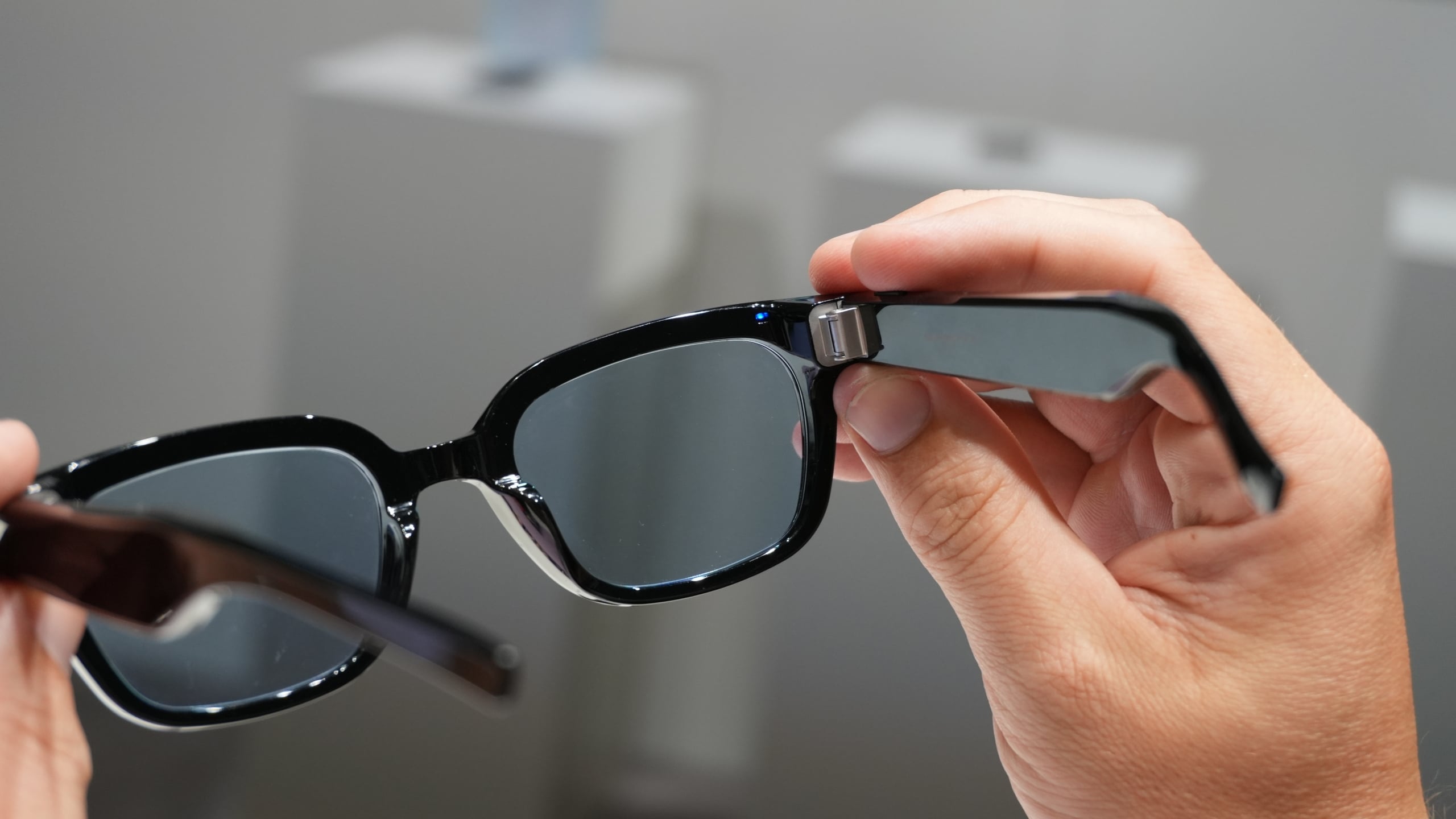
How Samsung's Smart Glasses Safeguard Personal Privacy
Samsung's first smart glasses run Google's Android XR operating system and can perform several types of tasks. They feature built-in cameras, microphones, and speakers. If you are concerned about privacy because of the onboard camera, the smart glasses have multiple features designed to address those concerns.
Whenever the camera on Samsung's smart glasses is activated to capture photos or videos, or during video calls in compatible apps such as Google Meet, an onboard LED turns on. This lets people nearby know that the person wearing the glasses is recording. The LED indicator is visible to both the person wearing the smart glasses and people around them.
Even if the owner tries to block the LED with a sticker or another object, the glasses can detect that the camera indicator is obstructed and will disable the camera. This is similar to a privacy feature Meta introduced through a mandatory software update for its smart glasses.
As more smart glasses from companies such as Samsung and Apple reach the market over the next few years, privacy concerns will likely become more prominent. Smart glasses brands may need to introduce even stronger privacy safeguards to earn users' trust.
Will Samsung's smart glasses work with prescription lenses?
While details on specific fashion partnerships continue to evolve, similar to collaborations seen with brands like Gentle Monster and Warby Parker, future iterations are expected to support customized optical solutions.
How does the obstruction detection mechanism operate?
Sensors monitor the output and placement around the recording indicator light. If an opaque object like tape or a sticker covers the LED, internal diagnostics restrict optical recording functions immediately.
What operating system do these wearables utilize?
The hardware is powered by Google's dedicated Android XR operating system, built explicitly for immersive spatial computing and advanced wearable experiences.
🔎 Ultimately, as spatial computing and smart eyewear continue to integrate into our daily routines, hardware manufacturers must prioritize proactive transparency. By implementing un-bypasable indicator lights and obstruction safeguards, Samsung is setting a necessary standard for consumer privacy in the evolving wearable technology market.
Post a Comment