
Why Tizen OS Lags Behind Roku, Fire TV, and Google TV Despite Samsung's TV Market Leadership
Article Summary:
Discover why Samsung's Tizen OS trails major competitors like Roku, Amazon Fire TV, and Google TV in the US streaming market share, even though Samsung remains the world's leading television brand.
Samsung has proudly maintained its position as the world's number one TV brand for 20 consecutive years. Given this massive global dominance, you might reasonably expect Tizen OS—the proprietary operating system powering the company's smart televisions—to comfortably lead the streaming platform market. Surprisingly, however, that is far from reality.
- ✨ Samsung’s Tizen OS holds an 8% share of the U.S. smart TV and streaming platform market, placing it firmly in fourth position.
- ✨ Roku currently commands the top ranking in the streaming ecosystem, followed closely by Amazon Fire TV and Google TV.
- ✨ The primary reason for Tizen's lower overall ranking is that Samsung does not manufacture or sell dedicated standalone streaming hardware devices.
- ✨ When evaluations focus exclusively on integrated smart TVs rather than separate streaming sticks and boxes, Samsung's operating system performs significantly better.
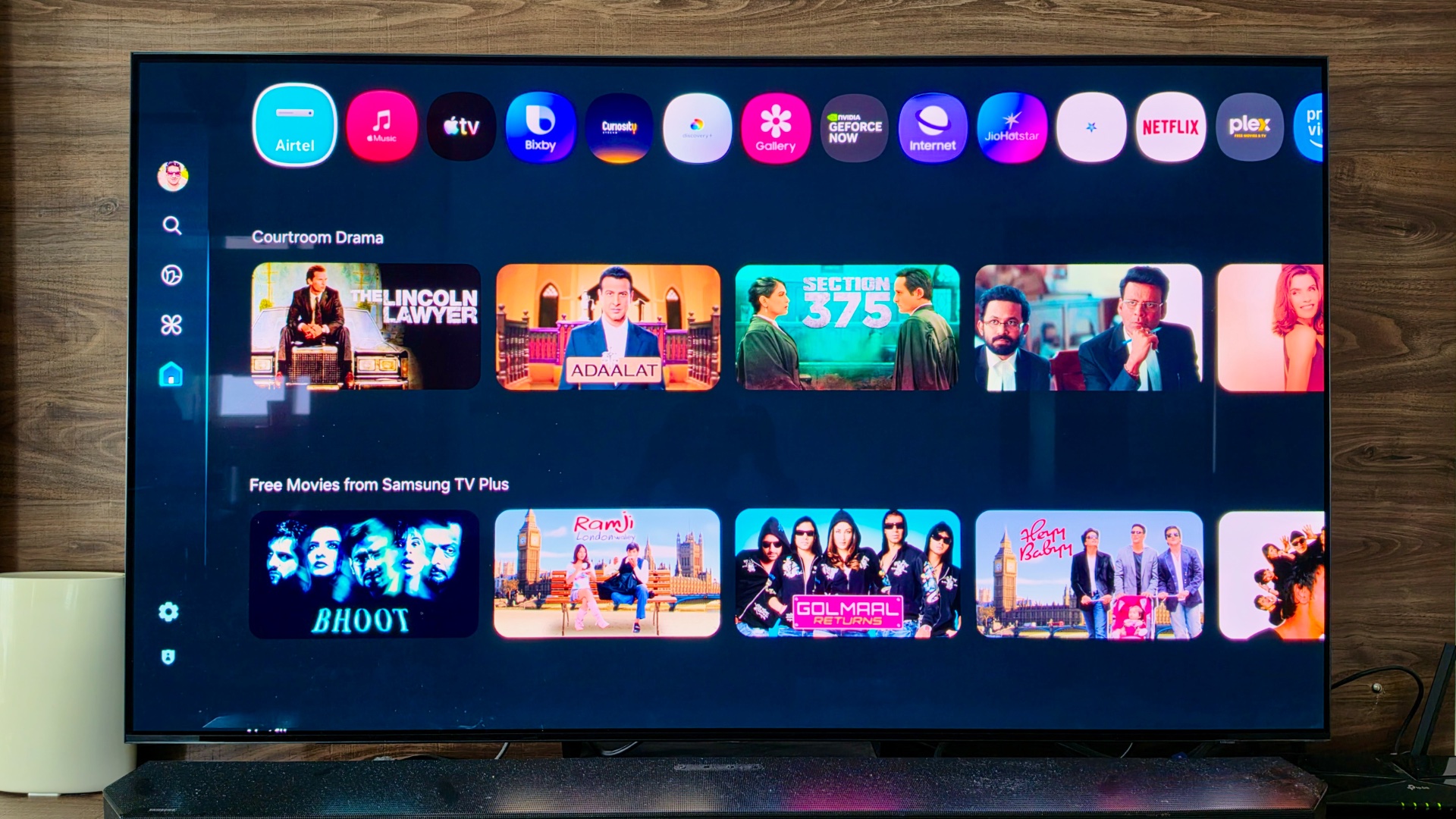
Understanding Smart TV Operating System Market Dynamics
Recent market research published by The Streamable sheds light on the actual operating system market share across smart TVs and dedicated streaming devices within the United States. According to the findings, Samsung's Tizen OS currently captures an 8% market share, positioning it in fourth place overall behind established market leaders like Roku, Amazon Fire TV, and Google TV.
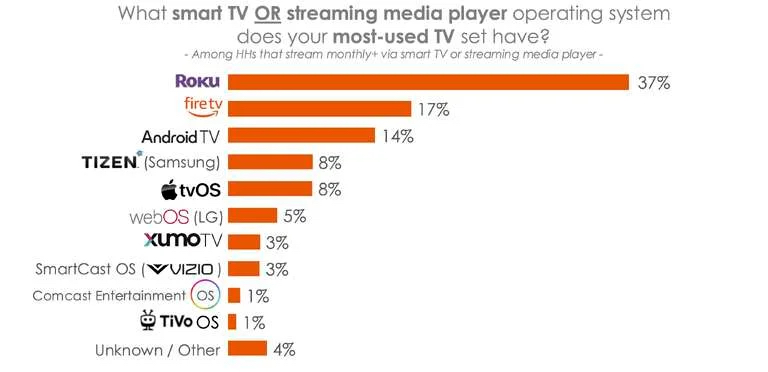
This gap largely stems from product ecosystem strategies. Unlike competitors that distribute millions of affordable standalone dongles, boxes, and media players—which frequently outpace standalone television sales volume—Samsung limits its software footprint primarily to its own hardware lineup. Furthermore, many external streaming accessories rely heavily on Roku OS, Amazon Fire OS, or Android TV.
If the analytical scope were restricted purely to smart television hardware, Samsung's platform would undoubtedly surge toward the top of the charts. For users looking to enhance their home entertainment setups, exploring helpful viewing tips can significantly improve your daily television experience.
Why does Tizen OS rank fourth in streaming market share?
Tizen OS ranks fourth because market share metrics combine both standalone streaming hardware and smart TVs. Since Samsung does not sell external streaming sticks or boxes, its software presence is limited compared to competitors with pervasive dongle ecosystems.
What is Samsung's current market share for Tizen OS in the US?
According to recent industry analysis, Samsung's Tizen OS holds approximately 8% of the total smart TV and streaming device operating system market share in the United States.
Which platforms lead ahead of Samsung's Tizen OS?
Roku currently leads the market in the top spot, followed by Amazon Fire TV in second place and Google TV securing the third position.
Does Tizen OS perform better when looking only at smart TVs?
Yes, if market researchers evaluate built-in operating systems strictly on television sets rather than including external streaming devices, Samsung's Tizen OS ranks exceptionally high due to their long-standing hardware sales dominance.
🔎 Ultimately, while Samsung dominates global television hardware sales year after year, the broader streaming platform economy measures software reach across all device categories. As competition in the smart living room space continues to evolve, expanding software availability and third-party partnerships will remain crucial for manufacturers aiming to capture a larger share of digital media consumption.
Post a Comment