
Your Old Galaxy Note Was Thinner Than You Think, and the Galaxy Z Fold Proves It
For years, thickness was the price you paid if you wanted a foldable phone. You got a little tablet that fit in your pocket, and you always noticed something was there. Samsung's latest Galaxy Z Fold devices are similar in thickness to Galaxy Note phones that millions of people used every day.
Key Takeaways
- ✨ Samsung’s latest foldable smartphones are now as thin as the iconic Galaxy Note series.
- ✨ The Galaxy Z Fold 7 and Fold 8 series have drastically reduced the gap between foldable and traditional flagship thickness.
- ✨ New display technologies like Flex Titanium are helping Samsung achieve thinner profiles without compromising durability.
- ✨ Thickness is no longer a major compromise for consumers choosing a foldable device over a standard flagship.
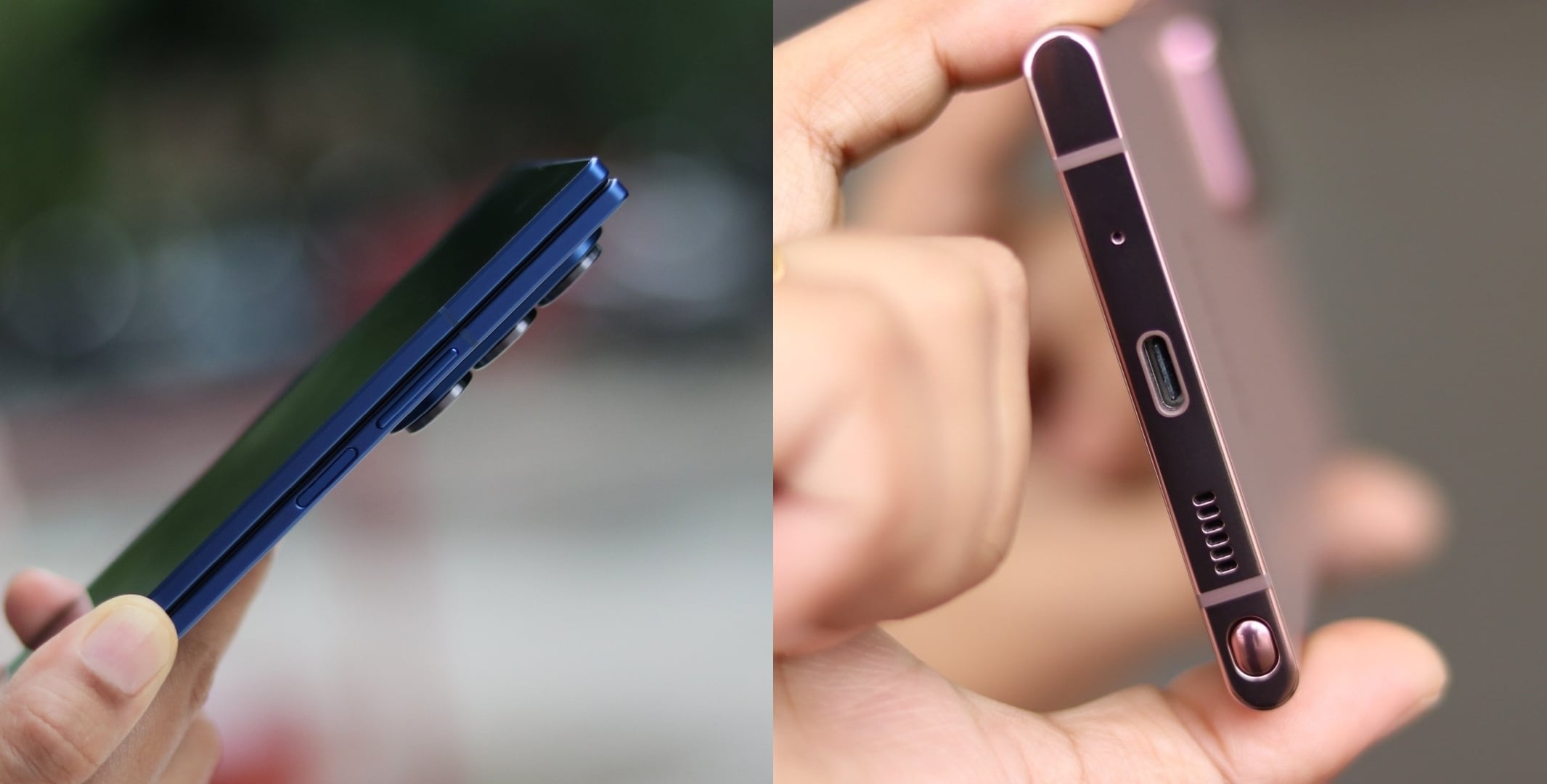
Anyone who bought one of Samsung's early Galaxy Fold devices accepted the extra bulk as part of the experience. Well, it might be time to revisit that trade-off. With the Galaxy Z Fold 8 series set to be announced at Unpacked on July 22, Samsung's foldables are now about as thin as the Galaxy Note phones many fans carried for years. In one case, the comparison is even closer than you might expect.
To be clear, the Galaxy Z Fold didn't replace the Galaxy Note. That role went to the Galaxy S Ultra, which inherited the S Pen and the familiar Note design. What the Fold lineup did inherit was the Note's place in Samsung's launch calendar as the company's second flagship announced every year. That makes the Note lineup an interesting way to see just how far Samsung's foldables have come.
A Quick Refresher on How Thick the Note Was
The Galaxy Note lineup ran from 2011 to 2020, and it was never an especially thin series. The large display, big battery, and built-in S Pen all took up space. The original Galaxy Note measured 9.65mm thick. Samsung gradually slimmed the lineup over the years, with the Galaxy Note 9 — the one many fans call the last true Note — coming in at 8.8mm and the Galaxy Note 20 Ultra at 8.1mm. Keep those numbers in mind.
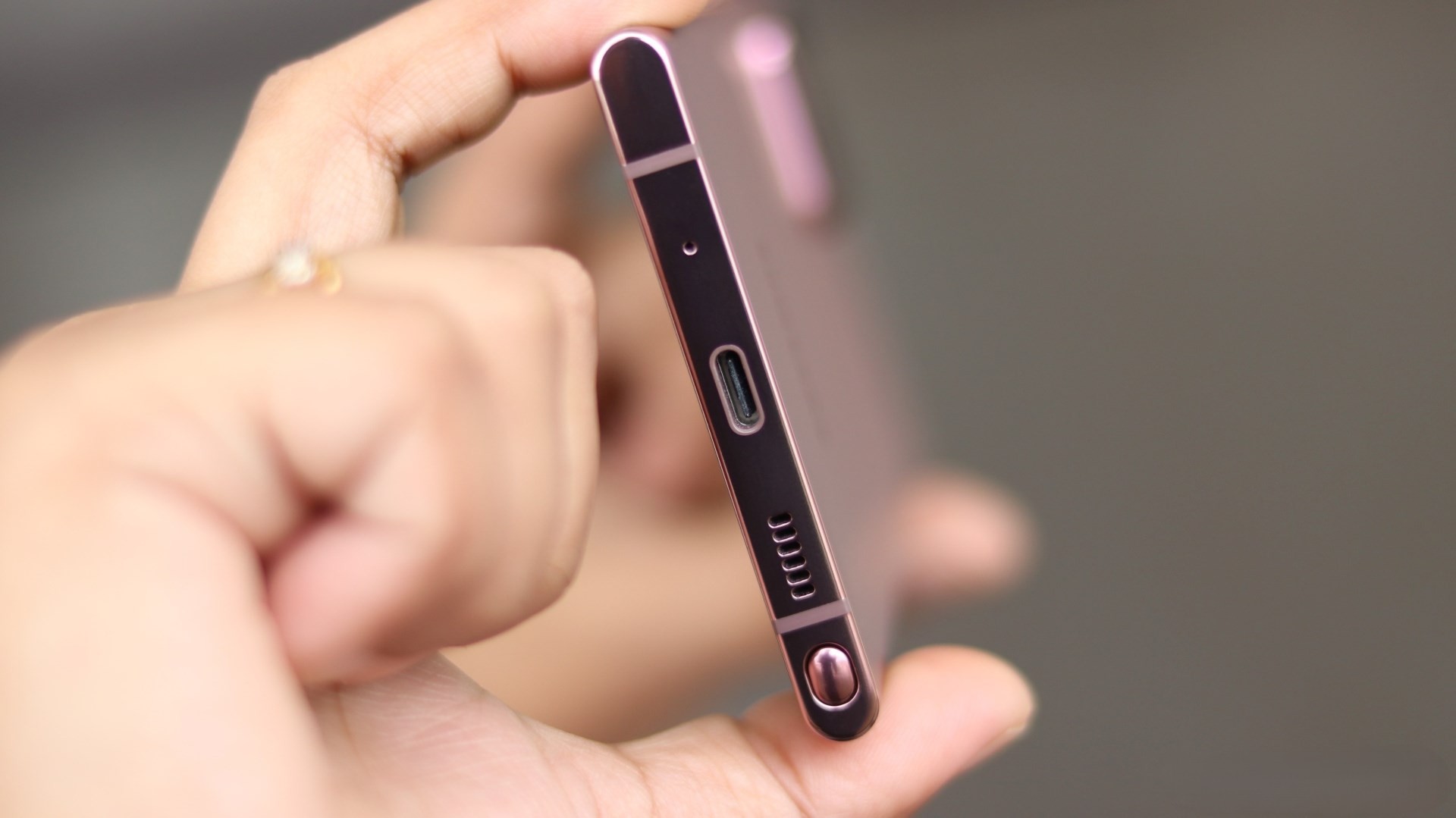
The Fold's Transformation Has Been Dramatic
The original Galaxy Fold from 2019 was between 15.7mm and 17.1mm thick when folded, depending on where it was measured. Compared to the Galaxy Note 20 Ultra, it was roughly twice as thick. Progress was relatively slow over the following years. Even the Galaxy Z Fold 6 still measured 12.1mm when folded. Then came the Galaxy Z Fold 7. Samsung reduced its folded thickness to just 8.9mm and its unfolded thickness to 4.2mm.
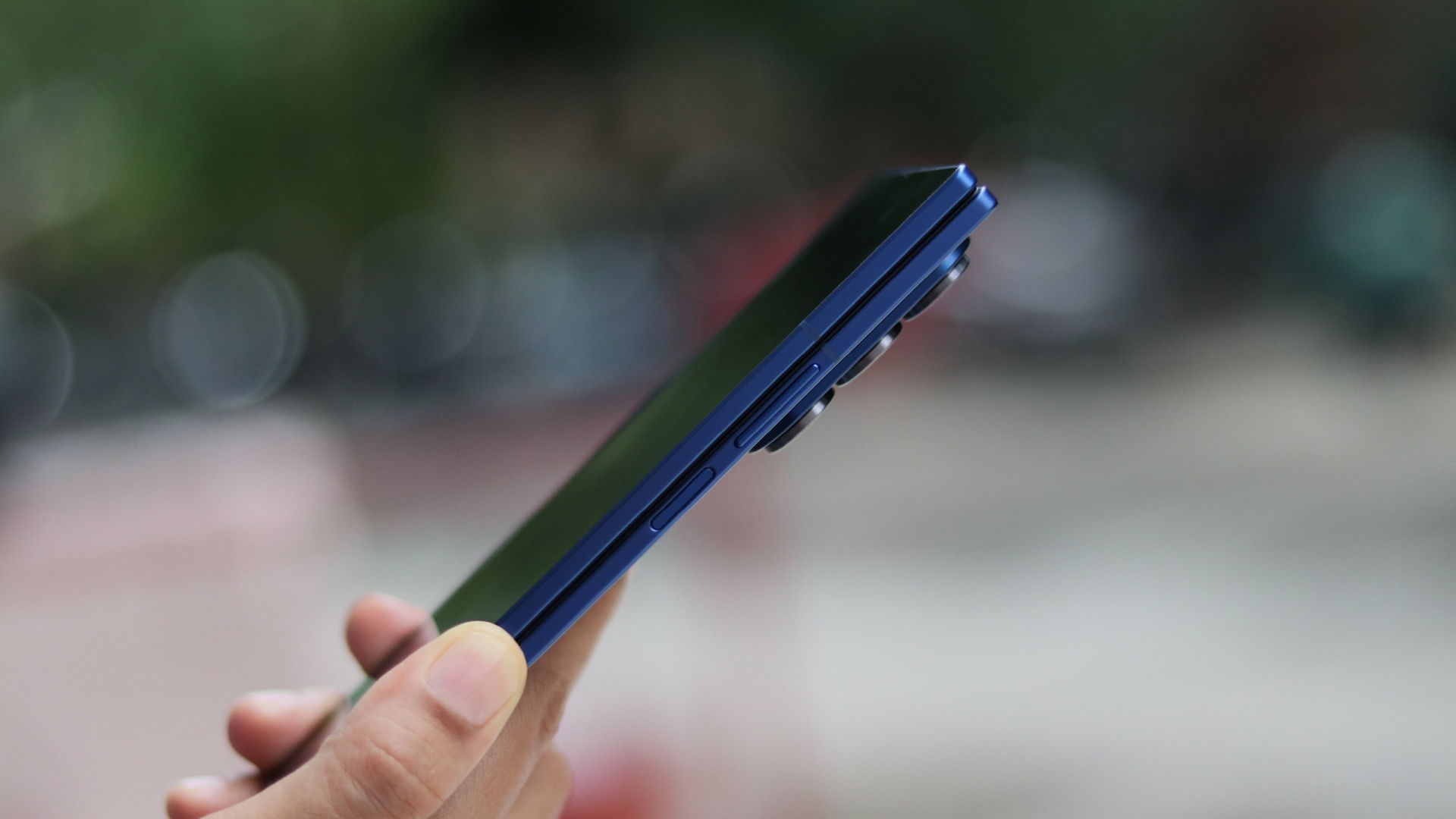
Just a year later, a foldable phone that unfolds into an 8-inch tablet took up almost the same space in your pocket as the Galaxy Note 9. The Fold 7 is only 0.1mm thicker, while weighing just 14 grams more.
The Fold 8 Series Will Keep Things Slim
Samsung isn't expected to make another dramatic reduction in thickness this year. But the Galaxy Z Fold 8 series will keep its foldables firmly in Galaxy Note territory. The standard Galaxy Z Fold 8 is rumored to measure 9.7mm when folded. That's almost identical to the original Galaxy Note from 2011, which measured 9.65mm. While it isn't expected to be as thin as the Fold 7 or Fold 8 Ultra, that's still dramatically slimmer than earlier Galaxy Fold models.
The Galaxy Z Fold 8 Ultra is where things get interesting. Like the Fold 7, it's expected to remain 8.9mm thick when folded. However, it's rumored to become slightly thinner when unfolded, measuring 4.1mm at the thinnest point instead of 4.2mm thanks to Samsung's new Flex Titanium display technology.
| Device | Thickness (Folded) | Weight |
|---|---|---|
| Galaxy Note (2011) | 9.65mm | 178g |
| Galaxy Note 9 | 8.8mm | 201g |
| Galaxy Z Fold 7 | 8.9mm | 215g |
| Galaxy Z Fold 8 Ultra | 8.9mm | 218g |
Is the Galaxy Z Fold 8 Ultra thinner than the Galaxy Note 9?
When folded, they are remarkably similar, with the Fold 8 Ultra matching the thickness of the Note 9 very closely, proving how far foldable engineering has come.
Why was the original Galaxy Fold so thick?
Early foldable technology required more layers for the display and hinge mechanisms, which resulted in a much bulkier profile compared to modern iterations.
What is Flex Titanium display technology?
It is a new material and structural advancement from Samsung designed to increase the durability of foldable screens while allowing them to be manufactured thinner than previous generations.
🔎 In conclusion, the evolution of the foldable smartphone is nothing short of remarkable. By bridging the gap between the thickness of a traditional candy-bar phone like the Galaxy Note and the expansive utility of a tablet-style foldable, Samsung has removed one of the primary barriers to entry for foldable devices. As technology continues to iterate, we can expect these devices to become even more refined, cementing their place as the future of mobile productivity.
Post a Comment