
How Samsung’s Updated Software Policy Gives Galaxy S FE Phones a Major Advantage
Samsung's recent adjustments to how it manages major Android and One UI software releases have created a surprising and distinct advantage for its Galaxy S FE lineup. While standard flagship models often set the trend upon their initial release, the Fan Edition series now benefits from a unique timeline that extends its software longevity beyond expectations.
-
<✨> Samsung's staggered release schedule means FE smartphones can debut with a newer Android version than standard flagships from the same generation.
<✨> Because Samsung guarantees seven major Android OS upgrades, the FE model ultimately receives one newer platform generation than its core siblings.
<✨> This update dynamic introduces subtle nuances, offering extended major OS versions while slightly altering the timeline of mid-cycle One UI updates.
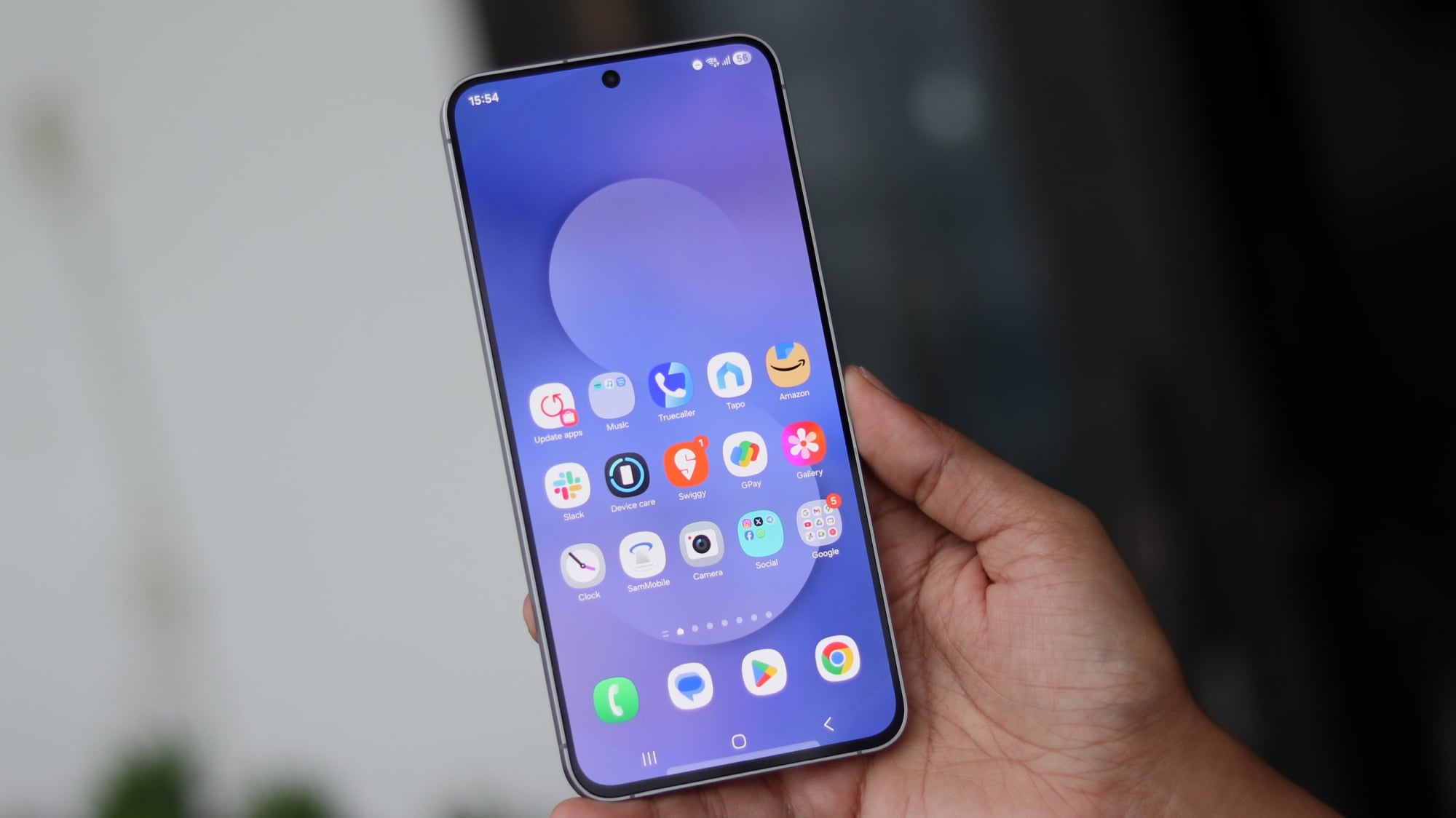
Why Galaxy S FE Phones Receive an Extra Major Android Upgrade
The upcoming Galaxy S26 FE is scheduled to launch running One UI 9.0 and Android 17 straight out of the box. Meanwhile, the base Galaxy S26, Galaxy S26+, and Galaxy S26 Ultra made their debut earlier in the year equipped with One UI 8.5, which is built upon Android 16.
This scheduling disparity means the Galaxy S26 FE initiates its software lifecycle a full Android version ahead of its traditional Galaxy S counterparts. Given Samsung's robust commitment to delivering seven major Android OS upgrades for its flagship-tier devices, the FE variant will ultimately push past the regular S26 models to receive one final, newer version of Android.
Although this phenomenon initially appeared as a one-time occurrence with the delayed release of the Galaxy S21 FE, it has now transformed into a deliberate structural pattern. Samsung frequently debuts its latest major Android and One UI packages alongside its foldable lineup—such as the Galaxy Z Fold and Flip series—before introducing the FE models shortly after, leaving standard flagships one step behind in initial platform numbering.
Understanding the Nuances of the Software Advantage
While gaining an extra Android OS upgrade sounds overwhelmingly positive, the reality of Samsung's modern update pipeline introduces fascinating variables. The tech giant has increasingly leveraged major One UI releases primarily to transition devices onto fresh Android builds quickly, while shifting heavier feature additions into mid-cycle QPR releases.
Because these mid-cycle builds correspond tightly to specific Android QPR versions, devices on different release tracks may experience slightly divergent feature milestones. Nevertheless, the core takeaway remains intact: purchasing an FE model secures both a later starting platform and extended major version support compared to standard family stablemates launched earlier in the calendar year.
Do all Galaxy S FE phones launch with newer Android versions?
Yes, under Samsung's current release strategy, FE devices roll out after the foldables running the newest available Android software, putting them one version ahead of standard flagships launched earlier in the year.
How many major updates do these phones receive?
Samsung guarantees seven major Android OS upgrades for its flagship-tier devices, meaning the FE lineup benefits immensely from starting its journey on a newer platform baseline.
Does this strategy apply to other Samsung models?
This unique software advantage is primarily observed in the Fan Edition (FE) lineup due to its strategic launch window arriving late in the software release cycle relative to primary flagship announcements.
🔎 Ultimately, Samsung's evolving firmware rollout strategy ensures that users who opt for Fan Edition smartphones enjoy an unexpected longevity bonus, proving that waiting for the FE release can pay off significantly in long-term software support.
Post a Comment