
Huawei's Mate XT2 Tri-Fold Phone Proves Samsung Was Right All Along
Samsung's pioneering work in foldable technology reached another milestone last year with the introduction of the Galaxy Z TriFold. Although it initially served as a technological showcase rather than a mainstream device, its core engineering choices are now being validated by competitors. Huawei has officially unveiled its successor, the Mate XT2, and its notable shift in hinge architecture confirms that Samsung's inward-folding philosophy offers superior structural reliability.
Key Takeaways
- ✨ Huawei's Mate XT2 transitions to a dual inward-folding mechanism, aligning directly with Samsung's approach.
- ✨ The redesign eliminates the vulnerable outward-folding hinge from previous generations, which left the fragile OLED panel exposed to external impact.
- ✨ Advanced features like high-end privacy displays are being reserved for top-tier configurations featuring massive memory and storage.
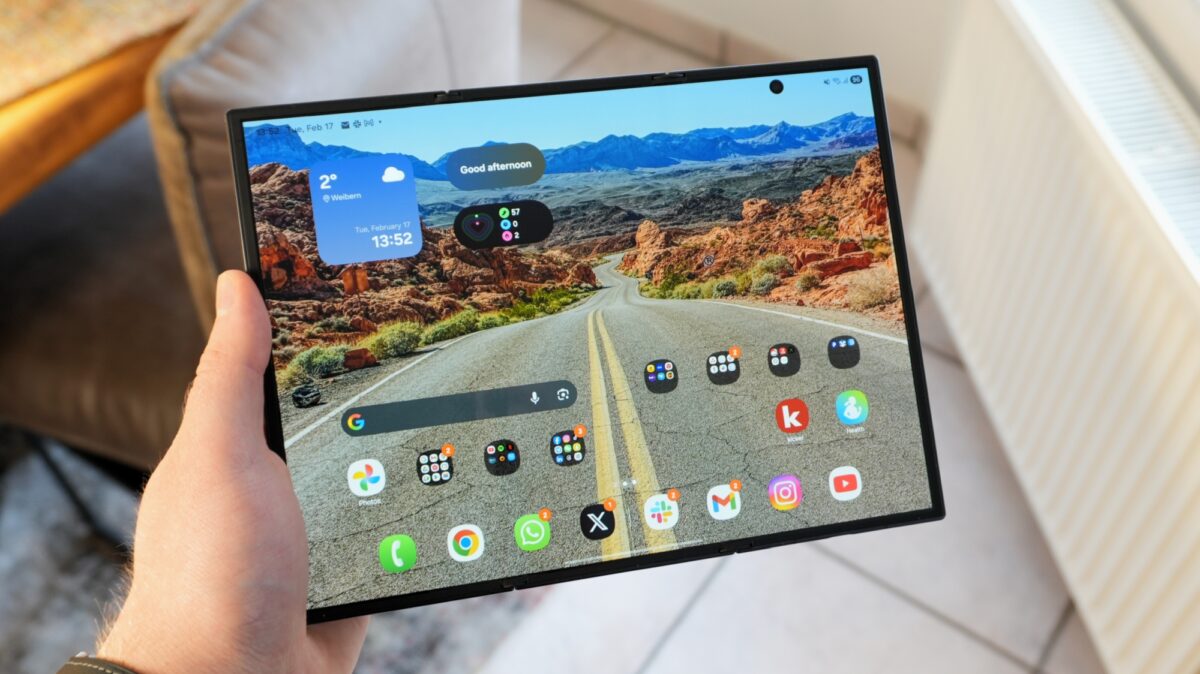
Samsung's first tri-folding phone, the Galaxy Z TriFold, launched last year and served mostly as a technological showcase for the company. While it was not the world's first tri-folding phone—that title belongs to the original Huawei Mate XT—Samsung opted for a distinct design principle, and that approach is now being adopted by Huawei.
Huawei has just revealed its third-generation tri-folding phone, the Mate XT2, and its new design shows that Samsung's philosophy was correct from the beginning.
A recent first look at the Mate XT2 highlights a major change compared to the company's previous two tri-folding iterations. Instead of folding inward on one hinge and outward on the other like the original Mate XT and Mate XTs, the new screen folds inwards at both hinges. This pivot makes it strikingly similar to the Galaxy Z TriFold's dual inward-folding architecture.
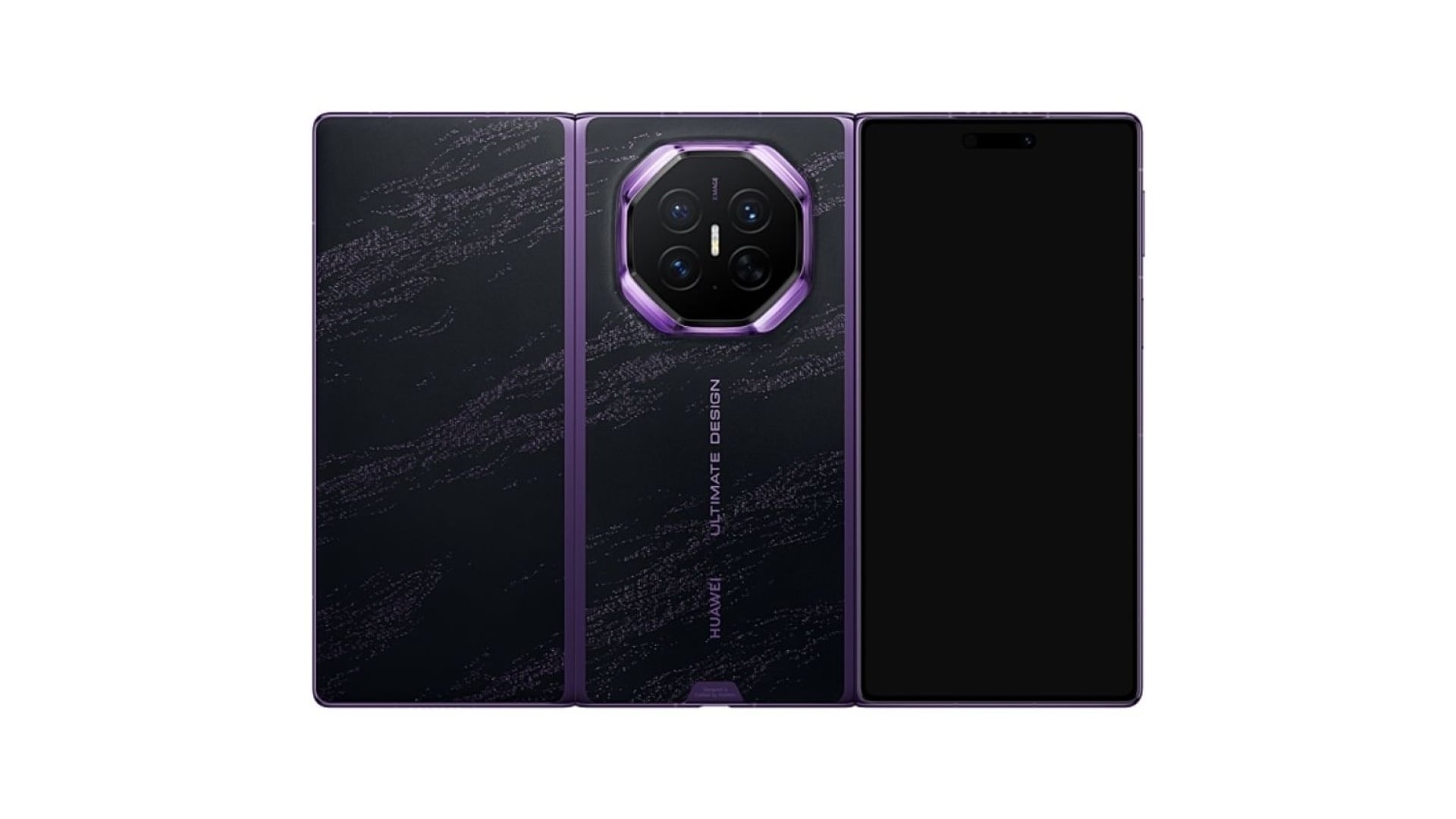
The original Mate XT and Mate XTs offered more flexibility and a unique aesthetic, given their ability to operate with just one of their two hinges closed. However, this also left them highly susceptible to damage because a section of the foldable screen always remained exposed on the outside. In the event of a drop, the fragile OLED display would take the direct impact.
A Dual Inward-Folding Design Makes a Lot More Sense
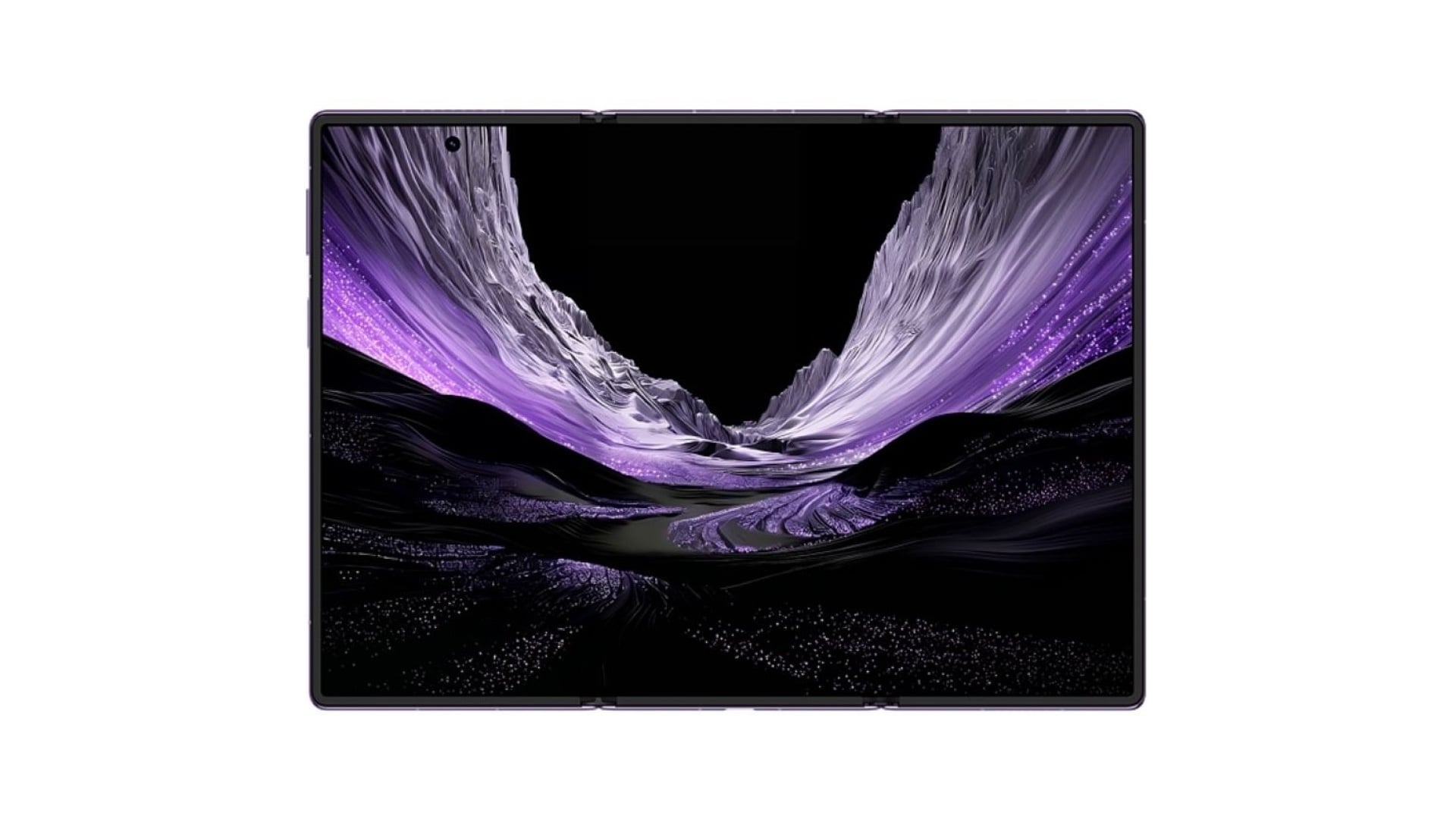
In contrast, the Galaxy Z TriFold's dual inward-folding design keeps the delicate foldable OLED screen fully protected when the device is closed.

Huawei's decision to abandon its inward and outward folding hinges after two years clearly validates Samsung's design approach for tri-folding phones. It proves that the Galaxy Z TriFold's enclosed design is fundamentally safer for long-term durability.
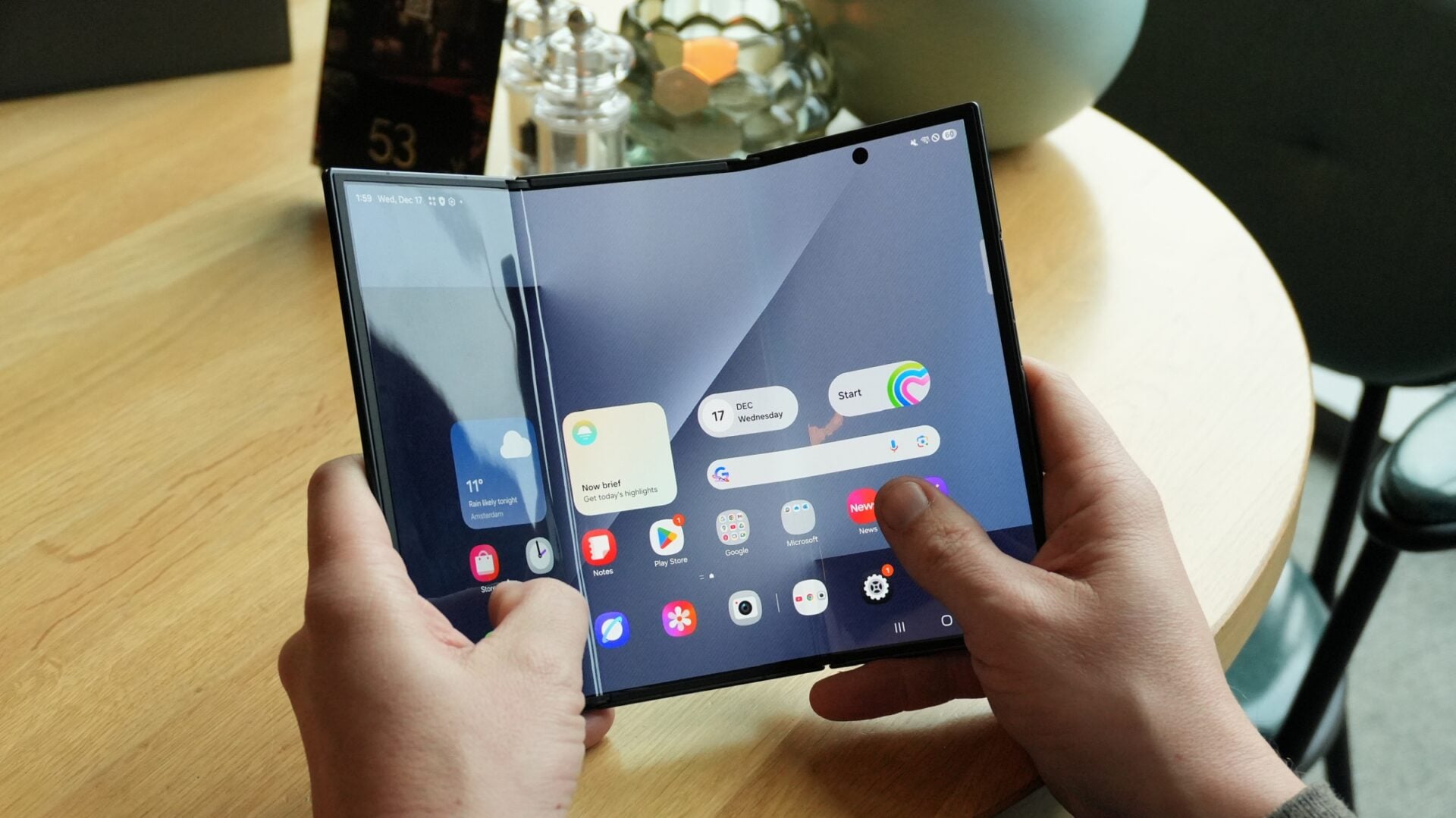
Interestingly, the Mate XT2 also appears to adopt a privacy display feature similar to the Galaxy S26 Ultra. However, the Chinese manufacturer is reportedly limiting this privacy technology to the highest-end variants of the phone, including the top-tier configuration that features 16GB of RAM and 2TB of storage.
Meanwhile, Samsung is already working on the Galaxy Z TriFold 2 (tentative name). Rumors suggest the company is focusing on enhancing the device's structural durability with completely redesigned hinges. It will be interesting to see what Samsung improves with its next-generation tri-folding phone, which could debut sometime next year.
Why did Huawei change the hinge design on the Mate XT2?
Huawei shifted from an in-and-out hinge configuration to a dual inward-folding design to better protect the fragile OLED display from drops and daily wear and tear, proving the safety benefits of Samsung's approach.
How does the Mate XT2 compare to the original Mate XT?
While the original Mate XT exposed part of its foldable screen when folded due to its outward hinge, the Mate XT2 completely encloses the display inside when shut, significantly boosting structural durability.
What can we expect from Samsung's upcoming tri-fold device?
Samsung is currently developing the Galaxy Z TriFold 2, which aims to bring further enhancements to structural durability and refined hinge engineering.
🔎 Ultimately, the evolution of tri-folding smartphones highlights how rapidly manufacturers are learning from early engineering trade-offs. By embracing an enclosed dual inward-folding mechanism, Huawei has effectively endorsed Samsung's blueprint for the future of multi-fold mobile technology, setting the stage for an exciting generation of durable, large-screen foldable devices.
Post a Comment