
Samsung Devices Face Price Hikes as Chipmaker Qualcomm Plans Cost Increases
Samsung has historically utilized Qualcomm chipsets across a diverse range of its ecosystem, spanning smartphones, tablets, smartwatches, and laptops. While the brand is expected to continue this strategy for flagship products—including the Galaxy S series, Galaxy Z foldables, Galaxy Tab S tablets, and Galaxy Book Edge laptops—upcoming pricing adjustments from the chipmaker may impact consumers globally. Understanding these potential shifts is vital for anyone planning to purchase next-generation mobile hardware.
Quick Summary
-
<✨> Qualcomm warns of rising semiconductor manufacturing and material input costs globally.
<✨> Samsung's premium devices utilizing Snapdragon chips could see direct retail price increases.
<✨> Alternative strategies for Samsung include absorbing costs or shifting reliance toward in-house Exynos processors.
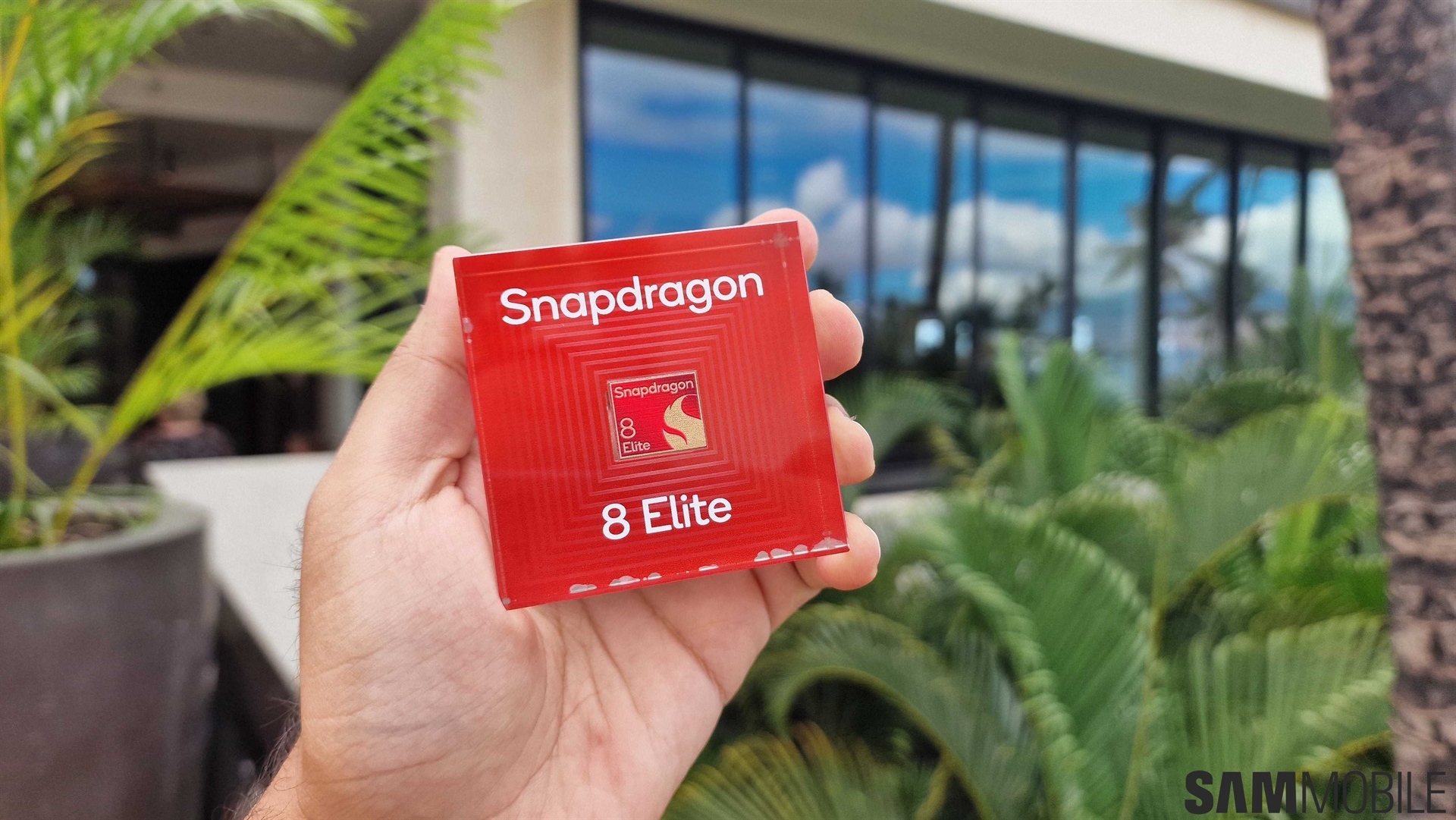
Rising Semiconductor Input Costs Driving Price Adjustments
Qualcomm CEO Cristiano Amon recently highlighted the economic pressures facing the semiconductor sector, noting that the industry is experiencing a broad-based increase in input expenses. These rising expenditures span across wafer fabrication, specialized assembly, testing, advanced packaging, memory components, and raw materials. Consequently, the overarching cost structure means that component pricing is on an upward trajectory across the board.
If Qualcomm officially implements these planned price hikes on its chipsets, Samsung will be forced to evaluate its manufacturing and pricing strategies. One straightforward approach would involve passing these additional production expenses directly onto consumers by elevating the retail prices of upcoming smartphones, tablets, smartwatches, and laptops.
Alternatively, Samsung could choose to absorb the elevated expenses internally by accepting lower profit margins. However, market analysts suggest this is an unlikely scenario, especially considering ongoing escalations in memory pricing. Another viable alternative is for Samsung to shift its hardware strategy, relying more heavily on its proprietary Exynos chipsets for upcoming smartphones, tablets, and wearables.
Why are Qualcomm chipsets becoming more expensive?
Chipset prices are rising due to increased input costs across wafer fabrication, assembly, testing, advanced packaging, memory, and raw materials within the global semiconductor industry.
Which Samsung devices rely on Qualcomm processors?
Samsung frequently uses Qualcomm chips in its premium offerings, including the Galaxy S series, Galaxy Z foldables, Galaxy Tab S tablets, Galaxy Watch wearables, and Galaxy Book Edge laptops.
How might Samsung respond to these chipset price hikes?
Samsung has a few potential options: passing the extra costs onto consumers through higher retail prices, absorbing the expenses internally, or increasing production reliance on its proprietary Exynos processors.
🔎 As component costs continue to shift across the tech landscape, consumers eyeing upcoming mobile hardware should prepare for potential adjustments in market pricing. Whether Samsung alters its hardware lineup or recalibrates its chip sourcing remains to be seen, but the ripple effects of Qualcomm's pricing strategy will undoubtedly shape the future of premium consumer electronics.
Post a Comment