
Samsung Foundry Initiates Full-Scale Mass Production of Nvidia's Groq 3 LPX Chip
Samsung Foundry has officially commenced full-scale mass production for Nvidia's cutting-edge Groq 3 LPX processor, marking a monumental milestone for the South Korean manufacturing giant. This large-scale rollout follows earlier initial production phases and brings a substantial injection of revenue and confidence into Samsung's advanced semiconductor business as it aims to challenge industry competitors in the global AI hardware market.
- ✨ Nvidia confirms the full-scale mass production of the Groq 3 LPX chip at Samsung Foundry's advanced fabrication facilities.
- ✨ The specialized AI inference accelerator is meticulously crafted using Samsung's cutting-edge 4nm process node technology.
- ✨ High-performance workloads benefit significantly from this LPU architecture, delivering unmatched token generation speeds and eliminating memory bottlenecks.
- ✨ Analysts project that these high-value fabrication contracts will help Samsung Foundry successfully transition back to full profitability by 2027.
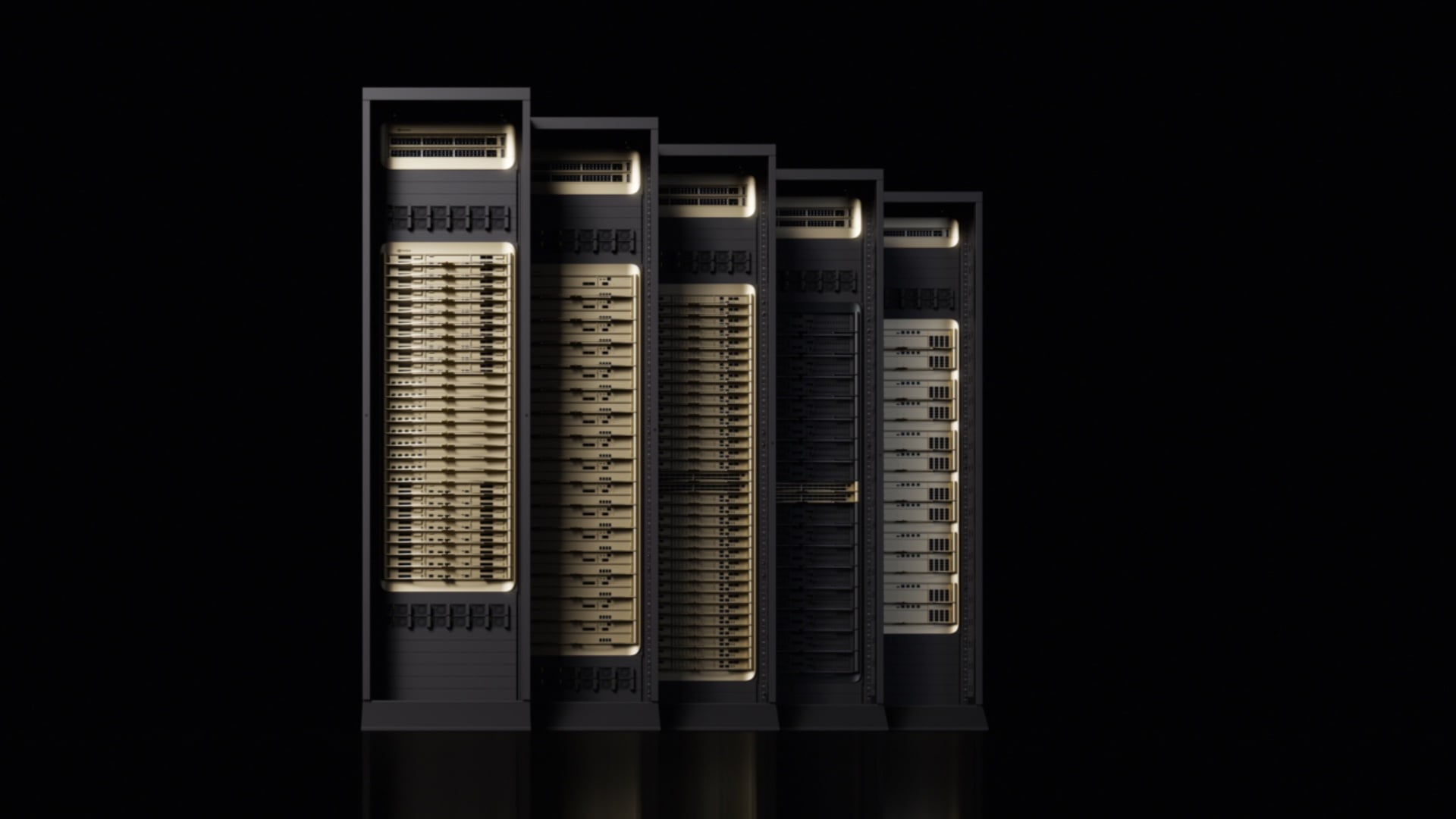
Understanding the Technology Behind Nvidia's Groq 3 LPX Architecture
The advanced Groq 3 LPX is a specialized Artificial Intelligence inference chip built entirely around an innovative Language Processing Unit (LPU) architecture. While traditional graphic processing units excel at heavy parallel computing and foundational model training, they often encounter severe memory-fetching constraints and cache stalls during the intensive inference stage—the exact phase where trained models decode tokens and generate real-time responses. By integrating specialized LPU configurations, this hardware completely resolves those persistent memory bottlenecks.
Groq was originally established back in 2016 by visionary former Google engineers under the leadership of Jonathan Ross, the inventor of Google's renowned Tensor Processing Unit (TPU). The company focused heavily on engineering ultra-efficient silicon capable of driving low-latency token generation. Following a massive multi-billion-dollar licensing agreement and talent acquisition, Nvidia integrated this revolutionary design into its elite Vera Rubin platform, utilizing Samsung Foundry and its state-of-the-art 4nm fabrication lines.
Unrivaled Performance and Expanding Industry Partnerships
Currently manufactured at Samsung Foundry’s advanced Pyeongtaek campus in South Korea, each rack-scale deployment of the Vera Rubin server architecture leverages 256 individual LPUs. Recent benchmark evaluations using open-source language models with extensive context windows demonstrate that the Groq 3 LPX platform achieves thousands of output tokens per second, outperforming traditional alternatives by a wide margin for long-context workloads.
Leading cloud providers and technology innovators are already integrating this advanced architecture. Prominent infrastructure operators and enterprise networks have begun deploying the technology to supercharge token generation speeds and support complex agentic workloads across global data centers. Beyond Nvidia, Samsung has successfully secured massive fabrication deals—including high-profile agreements for next-generation automotive and autonomous driving silicon—solidifying its competitive stance against industry rivals.
What makes the Groq 3 LPX chip different from traditional GPUs?
Unlike traditional GPUs designed for heavy parallel computing and model training, the Groq 3 LPX utilizes a specialized Language Processing Unit (LPU) architecture specifically engineered to eliminate memory bottlenecks and accelerate real-time AI token generation and inference phases.
Which manufacturing node is Samsung Foundry using to produce these chips?
Samsung Foundry is manufacturing the advanced Nvidia Groq chips utilizing its highly efficient and proven 4nm process node technology located at its fabrication campus in South Korea.
How many LPUs are deployed in each Vera Rubin server rack?
Each rack-scale deployment of Nvidia's Vera Rubin server platform makes use of 256 individual LPUs to handle demanding enterprise artificial intelligence workloads seamlessly.
What impact will these production contracts have on Samsung Foundry?
Securing high-value production contracts for cutting-edge AI hardware has greatly improved Samsung Foundry's revenue and market standing, with financial analysts forecasting a return to full-year profitability by 2027.
🔎 Ultimately, the full-scale mass production of Nvidia's Groq 3 LPX chip at Samsung Foundry marks a transformative turning point for the semiconductor industry. By successfully securing major multi-billion-dollar manufacturing partnerships and delivering state-of-the-art silicon for next-generation artificial intelligence platforms, Samsung has firmly reestablished its competitive edge and paved the way for robust financial recovery in the years ahead.
Post a Comment