
Samsung Galaxy S27 Ultra Cameras May Adopt Inkjet Technology to Cut Lens Thickness and Reduce Flare
Article Summary:
- Samsung plans to expand its specialized inkjet camera lens manufacturing process to cover more cameras on the upcoming Galaxy S27 Ultra compared to the Galaxy S26 Ultra.
- The advanced technique prints black light-blocking ink directly onto lens ribs, eliminating bulky traditional films to minimize optical flare and reduce overall lens thickness.
- By saving valuable internal space within the camera module, Samsung can potentially integrate larger, more advanced sensors without making the smartphone body thicker.
- ✨ Samsung is rumored to use an innovative inkjet printing process for the camera lenses on the upcoming Galaxy S27 Ultra.
- ✨ This manufacturing method prints dark, light-absorbing ink directly onto lens spacers, or ribs, to block stray internal reflections.
- ✨ The technology successfully reduces optical flare and decreases lens package thickness compared to standard light-blocking films.
- ✨ Applying this process to more lenses on the flagship device could create extra room for larger hardware components without increasing the phone's profile.
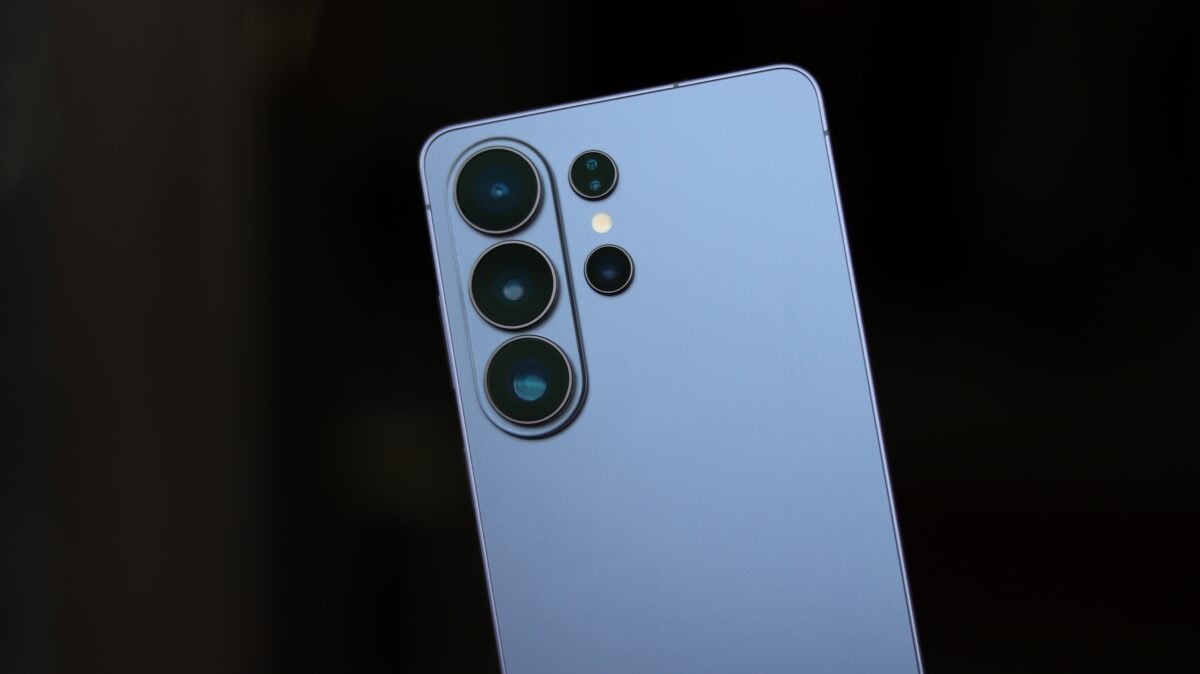
How Inkjet Technology Improves Smartphone Camera Performance
Months prior to the release of the non-foldable Galaxy S26 series, industry leaks hinted that Samsung intended to incorporate an inkjet printing method into its camera lens production. The primary goal of this technique was to decrease the overall thickness of the lens assembly while cutting down on unwanted camera flare. Although Samsung did not officially verify whether this exact method was implemented in those models, fresh supply chain reports regarding the next-generation Galaxy S27 Ultra suggest that the tech giant will use the inkjet process across a significantly higher number of camera lenses this time around.
In a typical smartphone camera setup, engineers stack multiple individual lenses directly above the main image sensor. To keep these microscopic lenses perfectly aligned, structural spacers called ribs are built into the casing. However, stray light frequently enters through these gaps, resulting in distracting lens flares in photographs. To combat this issue, manufacturers traditionally coat these ribs with extremely thin, black-colored light-blocking films.
While these conventional films are already quite narrow, measuring only a fraction of a millimeter, reports from ZDNet indicate that Samsung sought to reclaim even more internal space during the development of the Galaxy S26 Ultra. By shifting to an advanced inkjet method, the company prints a specialized black light-blocking ink straight onto the lens ribs. This approach achieves the desired opacity while taking up even less physical room than traditional glued films.
Even though exact details regarding how many lenses utilized this production method on previous models remain undisclosed, industry insiders note that Samsung is scaling up the application for the Galaxy S27 Ultra. Extending this technique to additional lenses across the module will further minimize light interference and shrink the lens stack profile. Consequently, this innovation paves the way for slimmer device designs, leaves ample room for larger, high-performance camera sensors, and ultimately delivers a superior mobile photography experience.
What is the main benefit of using an inkjet process for camera lenses?
The primary benefits are a reduction in lens package thickness and a significant decrease in optical flare caused by stray light entering through lens alignment ribs.
How does the inkjet method differ from traditional lens coatings?
Instead of applying traditional, pre-cut light-blocking plastic films, the inkjet process prints a specialized black light-absorbing ink directly onto the microscopic ribs of the lens structure.
Which smartphone model is expected to feature more of these advanced inkjet lenses?
Industry reports indicate that Samsung will apply this inkjet technology to a greater number of camera lenses on the upcoming Galaxy S27 Ultra.
🔎 Ultimately, Samsung's continued refinement of manufacturing techniques like inkjet-printed lens coatings highlights the brand's commitment to pushing smartphone photography forward. By solving microscopic hardware challenges—such as lens thickness and internal reflections—Samsung is able to pack professional-grade imaging capabilities into sleek, highly refined mobile devices without compromising on physical space or durability.
Post a Comment