
Samsung Holds a Strategic Advantage to Supply Advanced NVHBM Chips to Nvidia
Samsung is gearing up to solidify its dominance in the artificial intelligence hardware market as it pursues major supply deals for next-generation systems. With cutting-edge manufacturing capabilities and specialized designs, the tech giant is strongly positioned to take the lead in supplying custom memory components for upcoming high-performance architectures.
- ✨ Samsung may secure a major competitive edge in supplying Nvidia's custom NVHBM because it can handle DRAM base dies and logic chips entirely in-house.
- ✨ Nvidia has requested an optimized 8-layer HBM4E design to significantly improve production yields and alleviate memory supply constraints.
- ✨ Mass production for the upcoming platform could kick off next year, opening doors to multi-billion dollar revenues.
Why Samsung's In-House Ecosystem Changes the Game
This year, Samsung started mass production of HBM4 chips for NVIDIA's flagship Vera Rubin AI platform. This deal will generate billions of dollars in revenue. Now, the South Korean firm appears to have an advantage over its rivals in supplying custom HBM chips for NVIDIA's next flagship AI accelerator architecture.
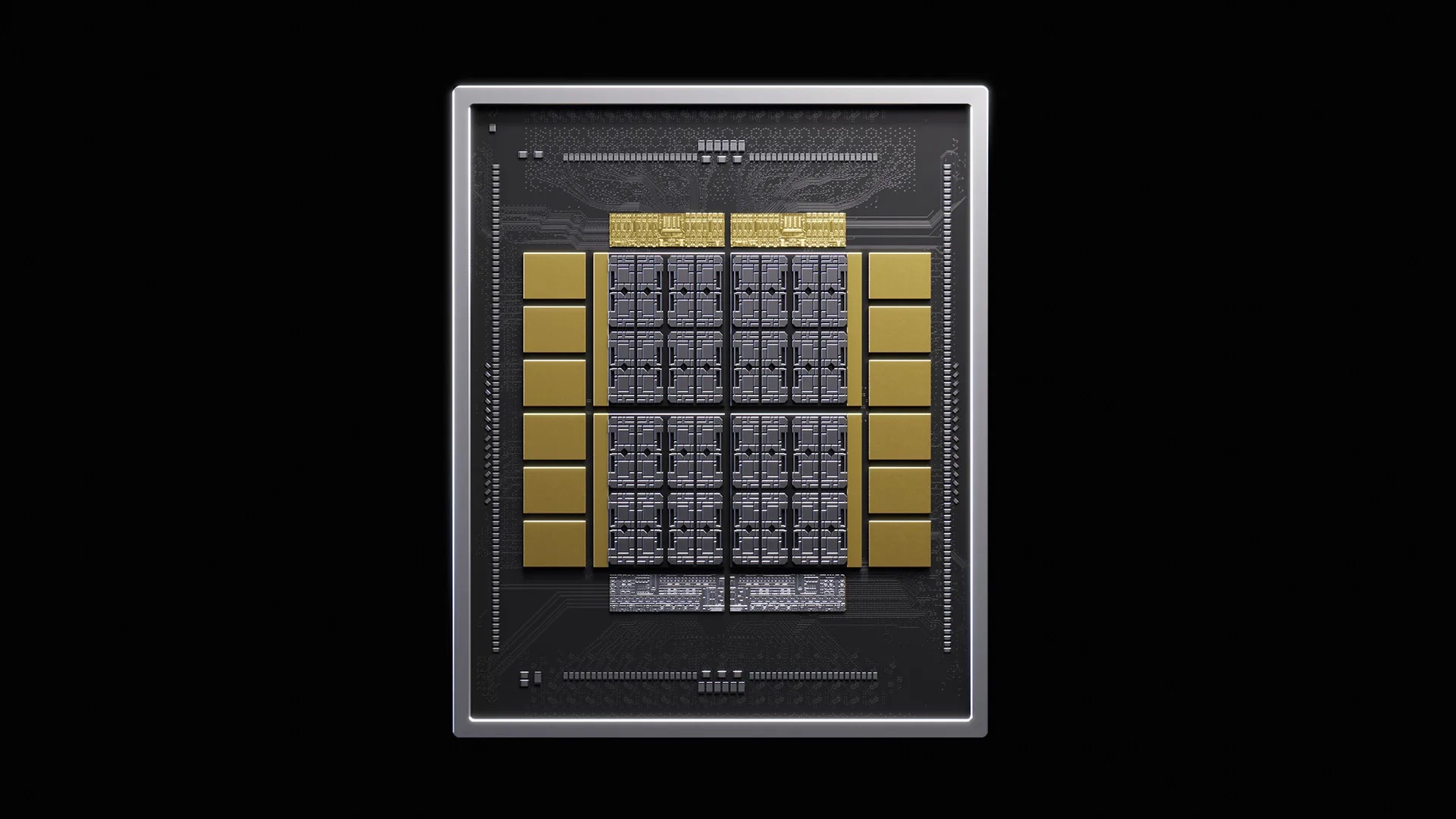
NVIDIA recently announced NVHBM, a custom high-bandwidth memory (HBM) chip designed for its next-generation AI platforms, Rubin Ultra, which is scheduled to debut next year. Samsung is in a uniquely strong position to supply NVHBM to Nvidia because of its turnkey capability to design, fabricate, and package both DRAM base dies and logic chips completely in-house.
In comparison, rivals firms Micron and SK Hynix depend on third-party foundries like TSMC to fabricate advanced logic base dies and handle packaging. Since custom HBM requires tight integration of custom logic chips and memory base dies, Samsung's all-in-one manufacturing ecosystem offers a distinct technological advantage.
Modern HBM designs rely on 12-layer or 16-layer stacks, which introduces design complexity and yield issues. To counter these issues, NVIDIA has requested for an 8-layer HBM4E design for NVHBM. This approach reduces stack height by roughly 33% and substantially improves production yields, which in turn helps ease memory shortages.
While an 8-layer configuration reduces raw memory capacity per stack, it also reduces stack capacity. NVIDIA aims to offset this disadvantage by driving data transfer speeds up to 18Gbps, which is around 20% faster than initial 14.4Gbps HBM4E samples.
When paired with individual GPUs and linked across hundreds of compute units via NVIDIA's high-speed NVLink interconnect, this faster custom memory configuration delivers massive aggregated throughput across the entire cluster. If Samsung succeeds in getting a deal from Nvidia for NVHBM supply, production could start sometime next year.
What is NVHBM and why is it important for AI platforms?
NVHBM is a custom high-bandwidth memory chip developed specifically for NVIDIA's next-generation Rubin Ultra AI platform, offering superior integration and speed compared to standard memory solutions.
Why does Samsung have an advantage over competitors like SK Hynix and Micron?
Samsung possesses turnkey capabilities that allow it to design, fabricate, and package both DRAM base dies and logic chips entirely in-house, whereas rivals must rely on third-party foundries like TSMC.
How does the 8-layer HBM4E design benefit production?
The 8-layer configuration reduces the overall stack height by approximately 33%, which substantially enhances production yields and helps alleviate ongoing memory shortages in the tech sector.
How does Nvidia offset the reduced capacity of an 8-layer stack?
Nvidia compensates for the lower raw memory capacity per stack by boosting data transfer speeds up to 18Gbps, making it roughly 20% faster than initial memory samples.
🔎 Ultimately, Samsung's vertically integrated manufacturing model places the company in an elite tier for addressing the rigorous demands of modern AI infrastructure. By combining in-house fabrication capabilities with architectural optimizations like the 8-layer HBM4E design, Samsung is well-positioned to capture massive revenue streams and maintain a formidable competitive moat in the semiconductor industry.
Post a Comment