
Samsung Secures Top Spot in Middle East Q2 Smartphone Market Despite Shipment Drop
Quick Summary
- ✨ Smartphone shipments in the Middle East dropped by 19% year-over-year in Q2 2026, totaling 10.6 million units.
- ✨ Samsung maintained its leading market position with a 39% share despite experiencing a 7% shipment decline.
- ✨ Apple defied regional trends by growing its shipments by 1%, driven by strong premium segment demand.
- ✨ Industry projections indicate that major brands will shift focus toward profitability over sheer volume due to challenging global markets.
Global smartphone shipments have faced significant reductions throughout the year, and regional numbers reflect a similar downward trajectory. According to recent market analysis, smartphone shipments in the Middle East experienced a sharp 19% decline during the second quarter of 2026 compared to the same period in 2025, with total shipments reaching 10.6 million units. This marks the most substantial downturn for the region since the final quarter of 2025.
Samsung Maintains Leadership Amid Market Challenges
The factors behind this regional decline are multifaceted and familiar to industry observers. Ongoing price increases driven by the artificial intelligence memory boom have heavily impacted consumer demand, compounded by geopolitical uncertainties that have affected the region.
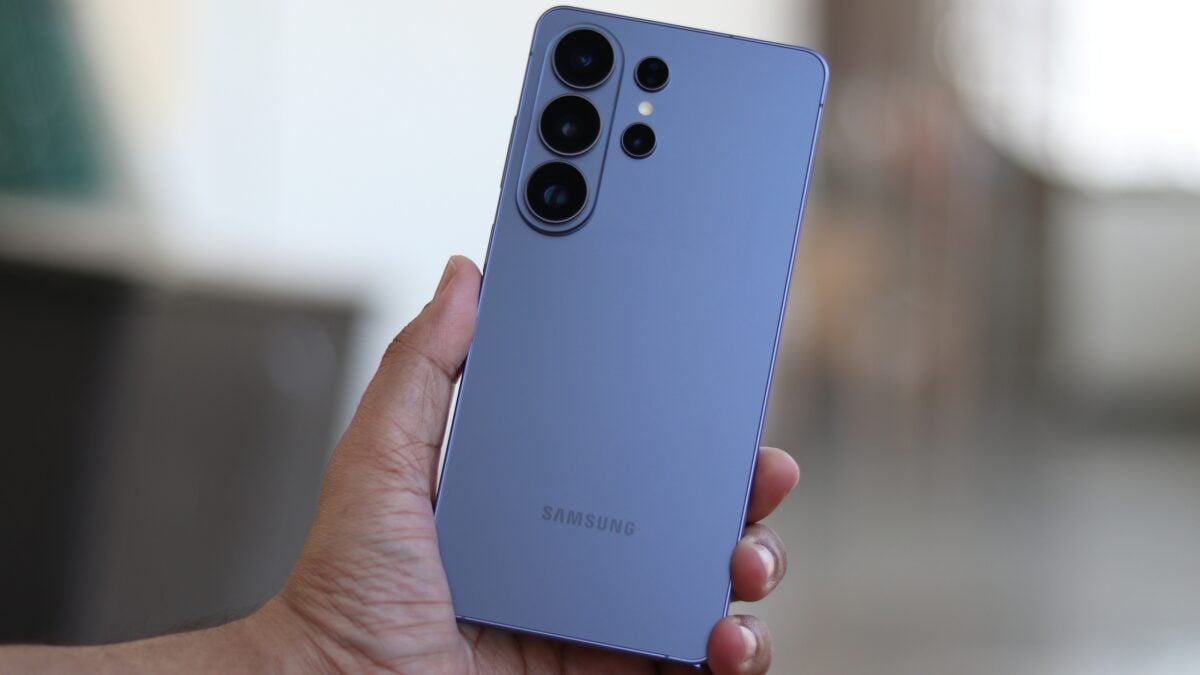
Although Samsung saw its regional shipments decrease by 7% in Q2 2026, the company successfully retained its position at the top of the market with an impressive 39% market share. The tech giant's success stems from a balanced market strategy, leveraging the mass-market appeal of the Galaxy A series to maintain high shipment volumes while utilizing the flagship Galaxy S26 lineup to secure strong profitability.
Meanwhile, Apple stood out as a unique exception in the region. The Cupertino-based company managed to increase its shipments by 1% year-over-year. This growth was fueled by steady consumer resilience within the ultra-premium segment and the robust loyalty tied to its device ecosystem.
Looking forward, industry analysts project that major mobile brands will prioritize overall revenue and financial profitability over simple volume and market share expansion. Navigating these difficult economic conditions has become a critical necessity for surviving the current global operating environment.
What caused the decline in Middle East smartphone shipments in Q2 2026?
The decline was primarily caused by price surges linked to the AI memory boom, alongside geopolitical uncertainties affecting the region since February.
What was Samsung's market share in the Middle East during Q2 2026?
Samsung held a leading 39% share of the Middle East smartphone market in Q2 2026, despite a 7% drop in its individual shipments.
How did Apple perform in the Middle East market during this quarter?
Apple managed to defy the broader regional downturn by growing its shipments by 1% compared to the same period in the previous year.
What is the primary strategic focus for smartphone brands moving forward?
Market projections indicate that brands will shift their focus toward prioritizing profitability and revenue over sheer sales volume and aggressive market share growth.
🔎 In conclusion, while the Middle East smartphone market continues to navigate complex macroeconomic hurdles and declining shipment volumes, industry leaders like Samsung demonstrate remarkable resilience through strategic portfolio management. By carefully balancing high-volume budget offerings with profitable flagship releases, top brands are adapting to an increasingly demanding global tech landscape.
Post a Comment