
Why the Galaxy Z Fold 8 Proves Consumers Refuse to Buy Boring Smartphone Upgrades
The mobile technology landscape in early 2026 presents a striking reality. Across the board, smartphone shipments have fallen by double-digit percentages compared to the same period last year, driven heavily by increasing consumer price sensitivity and broader economic pressures on household budgets.
✨ Article Highlights
- ✨ Smartphone shipments are down globally, pointing to intense consumer price sensitivity.
- ✨ The high-priced Galaxy Z Fold 8 defied market trends by securing over a million pre-orders.
- ✨ Upgrades fail when manufacturers offer incremental, boring changes rather than true innovation.
- ✨ Artificial intelligence features alone are no longer enough to drive massive hardware upgrade cycles.
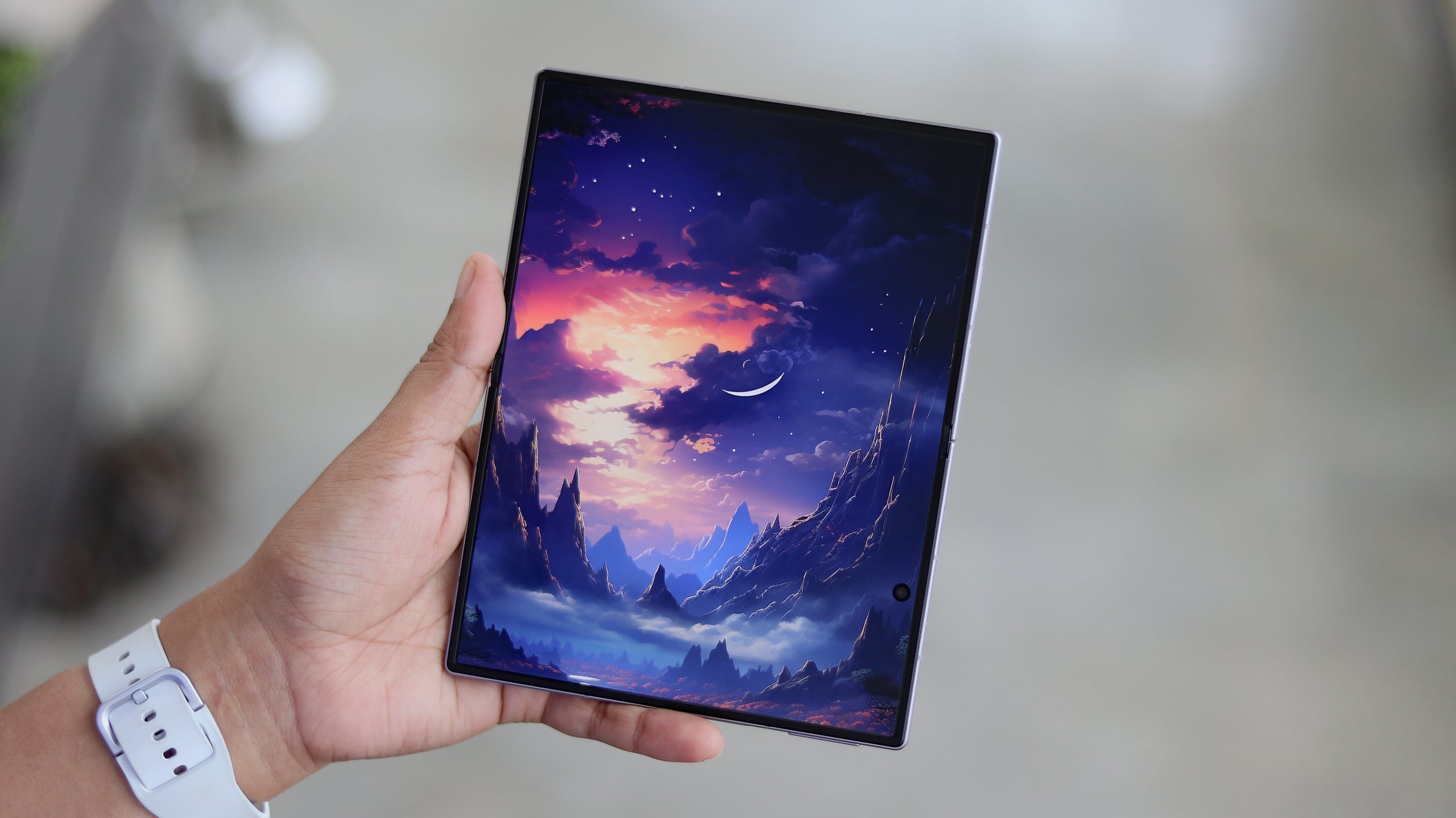
Given these harsh market dynamics, standard economic theory would suggest that an entirely new, ultra-premium device would struggle to capture consumer interest. Yet, the Galaxy Z Fold 8 has completely shattered that assumption, even with a hefty starting price tag of $1,899.
Samsung managed to pull in well over a million pre-orders for its wider foldable device. In fact, the overwhelming customer demand has forced the manufacturing giant to boost production by an additional million units just to keep pace.
Price Isn’t the Problem, Boring Upgrades Are
The stark contrast between how this foldable performs and how some of Samsung's traditional flagship slab phones fared earlier this year boils down to perceived value. Those traditional models essentially asked buyers to shell out a premium for minor, incremental tweaks—a slightly wider aspect ratio here, a fraction of a millimeter shaved off the profile there. Consumers took one look at those minimal changes and decided to hold onto their cash.
Conversely, the Galaxy Z Fold 8—which costs significantly more than standard devices like the Galaxy S26—is flying off shelves. This proves that the tech industry has fundamentally misunderstood what modern upgrade cycles truly require.
While conventional market analysis blames declining sales entirely on high pricing, reality suggests that perceived value is the true deciding metric.
Consumers clearly aren't inherently opposed to spending $1,899 on a mobile phone. Instead, they hesitate to spend that kind of money on a device that feels identical to the one already sitting in their pockets, featuring recycled functionalities inside a tired form factor.
The Galaxy Z Fold 8 avoids all of these pitfalls. It stands out clearly, distancing itself from the shadow of previous foldable iterations.
It also carves out a completely separate identity from the Galaxy Z Flip line, which currently appears to be losing momentum with both everyday buyers and Samsung itself.
Furthermore, this trend highlights that artificial intelligence alone cannot solve the stagnation in upgrade cycles. Samsung has heavily promoted Galaxy AI features for years now, but tools like Live Translate, Circle to Search, and Now Brief haven't been enough to convince most users to upgrade.
Because software updates generally trickle down to older models as well, users realize there is very little hardware incentive to upgrade solely for software tricks.
Samsung Can’t Let the Fold 8 Become Ordinary
Nothing drives consumer spending—even during brutal economic downturns—quite like a bold new physical design and the genuine novelty it brings. This distinction is critical as Samsung plans its future hardware strategy.
Where does the company go from here? The passport-sized novelty of this current generation will inevitably wear off within two or three cycles. Eventually, it risks becoming just another iterative product category like the Z Flip series, struggling to pull in fresh buyers.
Samsung must remember that customers aren't simply buying a foldable phone for the sake of it; they are investing their money specifically because they want *this* distinct piece of engineering. Future models must maintain that same magnetic, individualistic appeal.
Apple’s rumored entry into the foldable market with a similar passport-style layout is just around the corner. By then, the Galaxy Z Fold 8 will have established strong momentum, and early adopters will have shared their real-world experiences widely.
Apple will undoubtedly capture massive attention when its foldable finally debuts due to sheer curiosity. Whether that attention converts into the same fierce, organic demand that sold out Samsung’s inventory remains to be seen.
The ultimate challenge moving forward is ensuring that every subsequent version of the Galaxy Z Fold remains an object of genuine desire rather than just another scheduled yearly replacement.
Why are global smartphone shipments declining?
Global smartphone shipments are dropping due to heightened consumer price sensitivity and broader economic challenges that have negatively impacted overall household purchasing power.
How did consumers react to the pricing of the Galaxy Z Fold 8?
Despite its premium $1,899 price tag, the device defied market trends by generating over a million pre-orders and forcing Samsung to increase production.
Are AI features enough to drive people to buy new phones?
No, features like AI translation and search tools are often rolled out to older devices as well, leaving users with little incentive to upgrade based on software alone.
What is the main driver behind successful phone upgrades?
True hardware innovation, fresh physical form factors, and distinct perceived value are far more effective at motivating buyers than minor, boring iterative upgrades.
🔎 Ultimately, the massive success of the Galaxy Z Fold 8 serves as a loud wake-up call for the entire mobile industry. Consumers are no longer willing to open their wallets for stagnant designs and minor spec bumps; instead, they demand genuine hardware innovation that justifies every hard-earned dollar spent.
Post a Comment