
Why Smartphone Design Has Hit a Wall: The Bar Phone Era Reaches Its Peak
The front of almost every conventional smartphone has looked fundamentally the same for years, leaving little room for distinctive designs. As brands struggle to find new ways to stand out, the real question is whether the problem lies with manufacturers like Samsung, or simply because standard bar phone designs have reached their ultimate evolutionary limit.
- ✨ Standard slab smartphones have essentially plateaued, leaving very few physical elements left to redesign.
- ✨ Internal constraints like massive camera sensors, cooling systems, and wireless charging coils dictate the layout of the back panel.
- ✨ Foldable form factors represent the next true frontier for physical innovation and unique canvases.
- ✨ Industry-wide similarities are less about a lack of imagination and more about the physical laws governing rectangle-shaped devices.
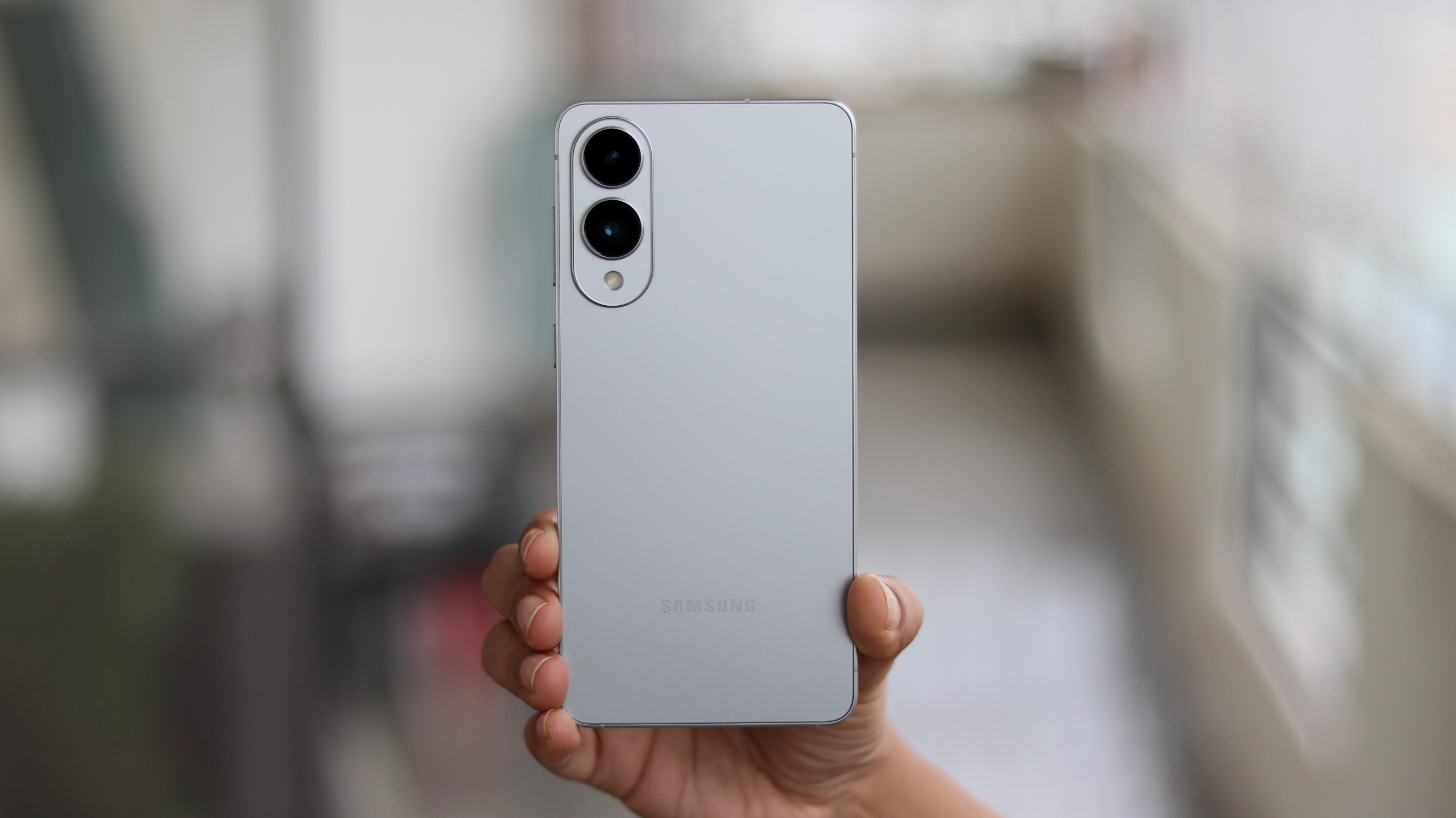
The leaked rear design of Samsung's Galaxy S27 Ultra may not be final, but it gives us a good idea of the direction Samsung is considering. And unsurprisingly, the sketches have already drawn comparisons with recent iPhones and several phones from Asian manufacturers. For more related insights, check out Galaxy S27 updates on our platform.
Technology enthusiasts have valid reasons to question that direction. Personally, I would still love to see Samsung bring back something like the horizontal camera design of the Galaxy S10 series. It was distinctive, instantly recognisable, and unmistakably Samsung.
But the more I look at modern smartphones, the more I wonder whether we're expecting manufacturers to solve a problem that may no longer have an obvious solution.
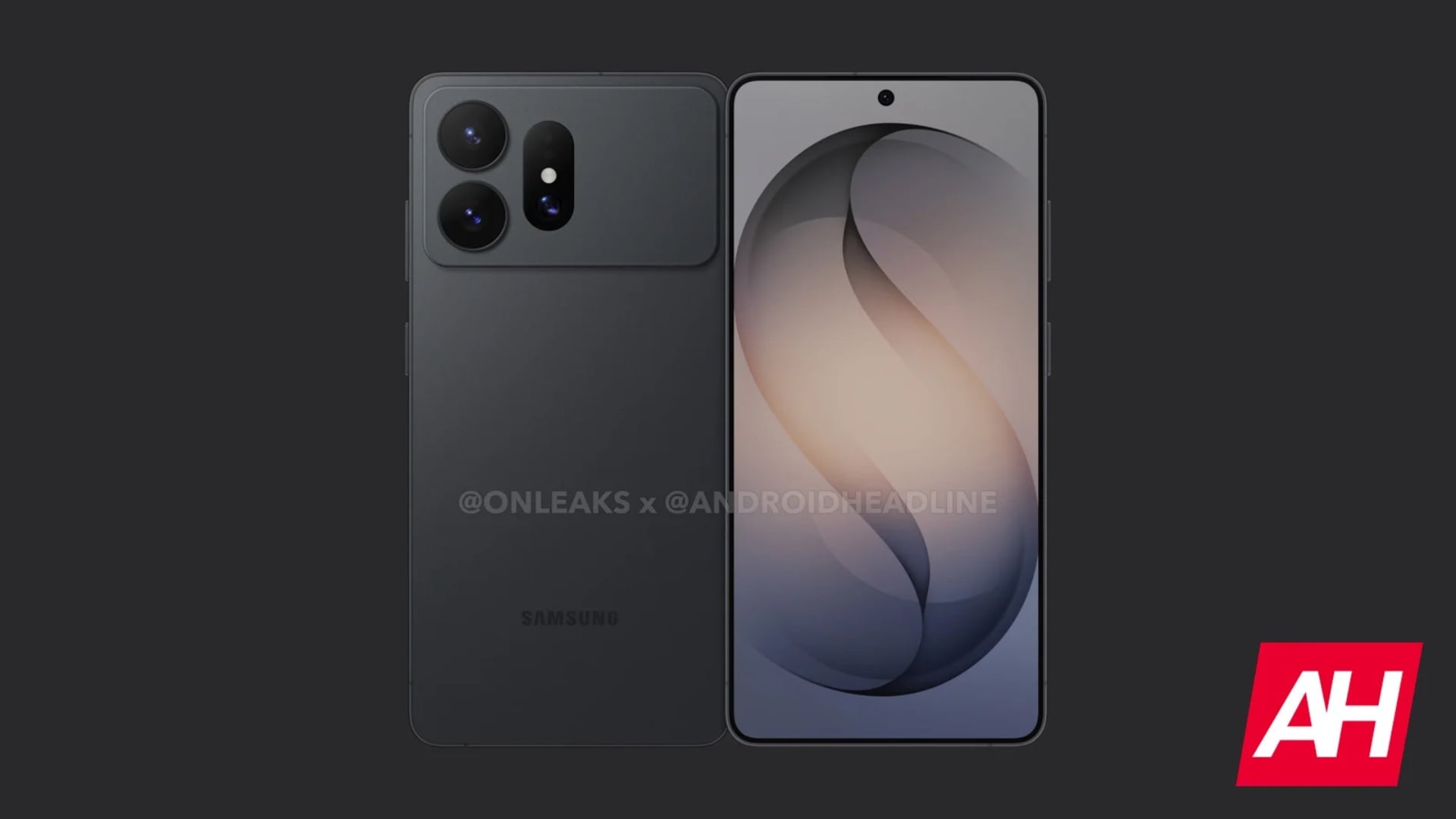
The front of almost every conventional smartphone has looked fundamentally the same for years. It's a large rectangular display surrounded by increasingly thin bezels, usually with a small camera cutout somewhere near the top.
That leaves the back as one of the few areas where manufacturers can still establish a strong visual identity. And even there, the available space isn't as unrestricted as it looks.
Large camera sensors and increasingly complex zoom hardware take up considerable space near the top of the device. Wireless charging coils, magnetic accessories, batteries, cooling systems and other internal components place their own restrictions on where everything can go.
There are only so many ways to design a rectangle
This may explain why enthusiasts now spend so much time debating camera islands. Once the display has taken over almost the entire front, the camera area becomes one of the few remaining places where one phone can look considerably different from another.
Google has its horizontal camera bar. Apple has moved towards a wider camera plateau. Samsung has experimented with everything from the Galaxy S10's horizontal layout to the Galaxy S21's Contour Cut design and the separate camera rings used on more recent devices.
But how many fundamentally different approaches are left?
That doesn't mean Samsung should stop trying. I would still prefer the company to take more risks and establish a stronger visual identity of its own. But perhaps the similarities we're seeing across the industry aren't always the result of manufacturers running out of ideas.
The conventional smartphone itself may simply be running out of places to put those ideas.
New form factors may be where the real design evolution happens
This is also why Samsung's investment in foldables makes so much sense.
A foldable immediately gives designers something a conventional phone no longer can: a fundamentally different canvas. The Galaxy Z Fold and Galaxy Z Flip lines have already shown how changing the form factor can alter everything from proportions and displays to hinges, cameras and the way a device is used.
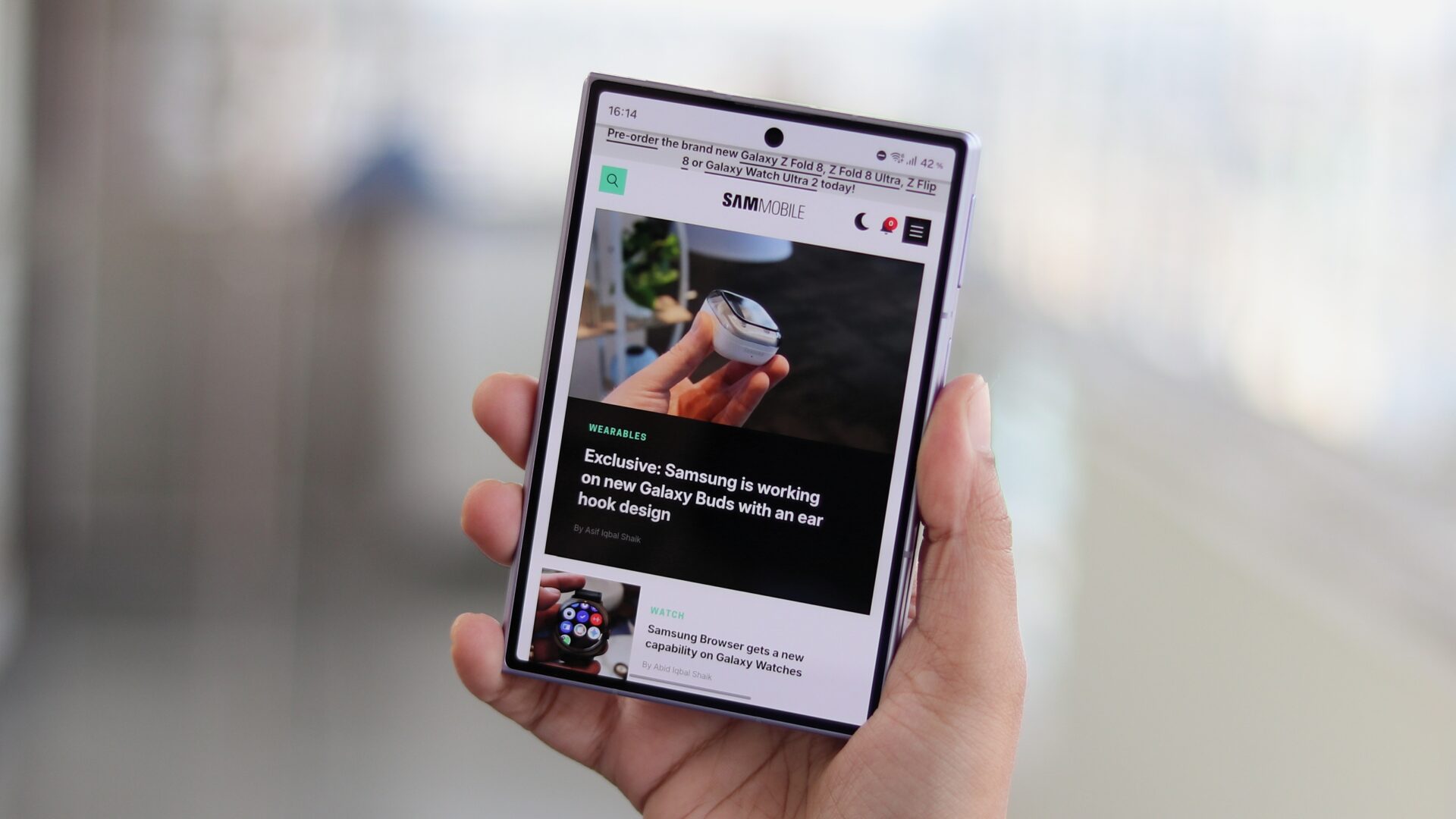
Samsung is continuing to experiment with different foldable designs, and we may eventually see even more unusual devices, including rollable or expandable phones.
I've already argued that there may be a strategic reason Samsung is moving towards aligning more closely with Apple. That doesn't mean I like every decision it makes, and it doesn't mean Samsung should stop trying to stand out.
But the more I look at the smartphone market today, the less surprising all of this becomes. Explore more trends and details by checking out our Click Here.
Why do modern smartphones look so similar on the front?
Most smartphones utilize a slab-like form factor dominated entirely by a glass display with ultra-slim bezels, leaving almost no physical canvas on the front to differentiate designs.
What limits creativity on the back of a phone?
Internal components like periscope zoom camera modules, massive batteries, wireless charging coils, and cooling systems severely restrict how camera islands and rear elements can be arranged.
How are manufacturers tackling this design ceiling?
Companies are heavily investing in alternative form factors such as book-style foldables, flip phones, and potentially future rollable or expandable display architectures.
🔎 Ultimately, as traditional bar phone layouts reach their physical and functional limits, the industry's focus naturally shifts toward engineering marvels and flexible screens to redefine mobile aesthetics.
Post a Comment