
Google Introduces New Android Laptops, Raising Questions About Samsung's Absence
Google has officially rolled out the pricing and release schedule for its inaugural lineup of Googlebook laptops. Developed in partnership with major manufacturers like Acer, Asus, Dell, HP, and Lenovo, these devices start at $899, with pre-orders beginning on September 21 and official retail availability slated for October 4. However, this major industry development leaves one notable tech giant completely absent from the launch roster.
- ✨ Google launched its first Android-powered Googlebooks starting at $899, with retail sales beginning on October 4.
- ✨ The initial lineup features five major hardware partners, including Acer, Asus, Dell, HP, and Lenovo.
- ✨ These laptops bridge desktop ChromeOS capabilities with Android apps, offering 16GB of RAM, touchscreens, and over 14 hours of battery life.
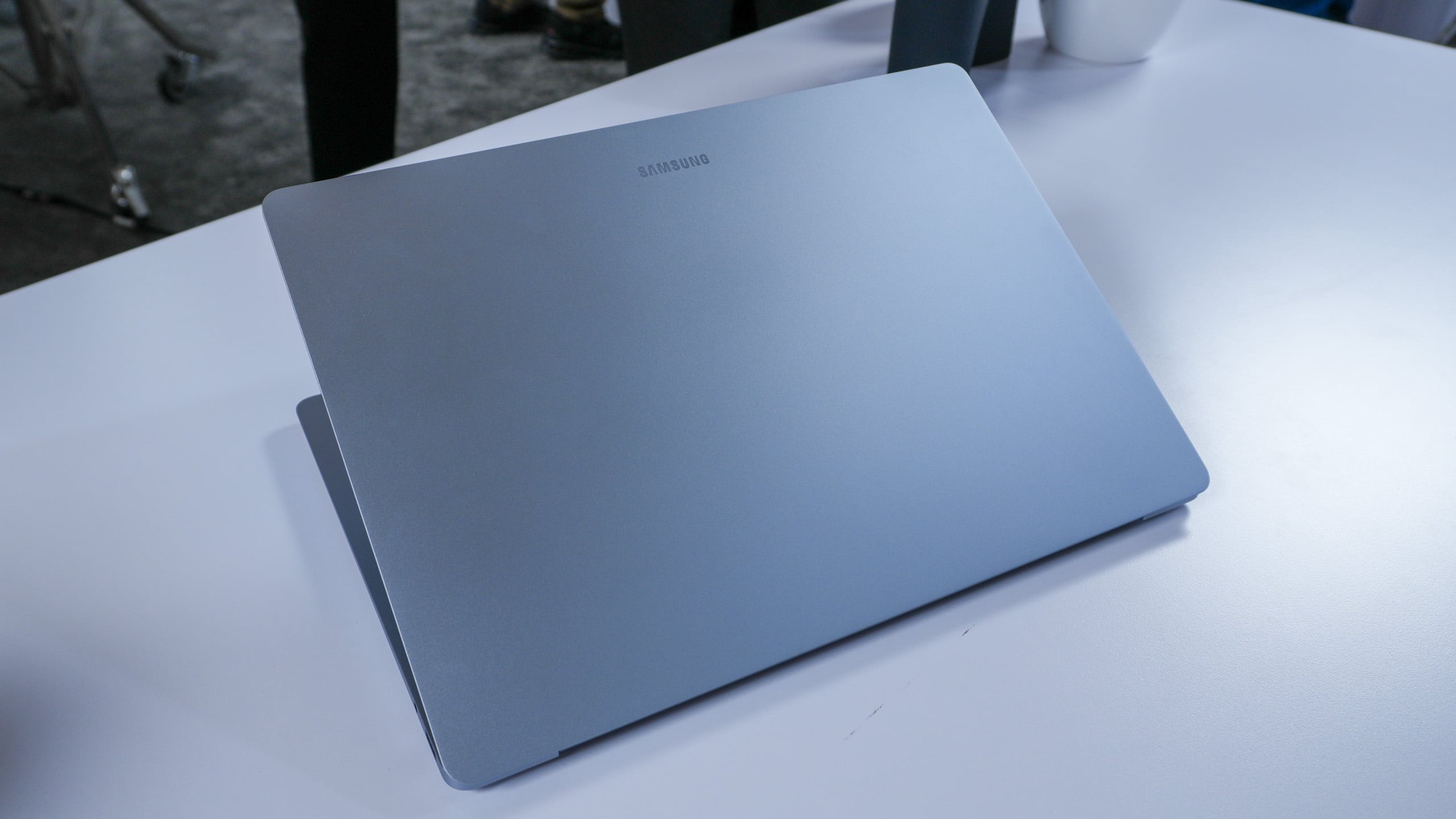
- ✨ Samsung is notably missing from the initial lineup, despite reports of developing its own Android and One UI laptops.
What Makes Googlebooks Unique?
Industry insiders previously noted that Samsung has been actively working on advanced laptops powered by Android and One UI. Consequently, Google’s hardware event generated immense curiosity regarding how Samsung’s future ecosystem will compete or integrate. Googlebooks are fundamentally constructed on the Android operating system while incorporating heavy-duty desktop features derived from ChromeOS. Users can seamlessly install Android applications directly from the Play Store, run desktop-class instances of Chrome featuring browser extensions, and interconnect smoothly with any standard Android smartphone to access local files and messaging apps instantly.
Furthermore, Google is outfitting these new machines with exceptionally robust hardware specifications. Every single one of the five launch models comes equipped with a minimum of 16GB of RAM, relying heavily on modern Intel or Qualcomm chipsets featuring high-performance NPUs rated well above 45 TOPS. These modern productivity machines also boast responsive touchscreens alongside haptic trackpads, with select high-end variations offering gorgeous OLED display panels and up to an impressive 14 hours of continuous battery life.
Where Is Samsung in the New Laptop Ecosystem?
At present, Samsung has neither formally announced an Android-driven Galaxy Book nor provided any clear public release schedule. Neither Google nor Samsung executives have explicitly commented on why the South Korean electronics giant was left off the initial wave of hardware partnerships. Historically, Samsung prefers hosting dedicated, independent global hardware showcases to announce premier Galaxy portfolio items, strongly implying that Android-powered laptops may arrive during a separate, exclusive launch event.
Tech enthusiasts are eagerly anticipating how Samsung will differentiate its hardware when its proprietary Android laptops finally reach the market. While Google has successfully demonstrated what its laptops can do with an Android phone, consumers are keen to witness what exclusive software optimizations, One UI ecosystem features, and design elements Samsung will introduce to elevate the overall user experience.
When will Google's new Android laptops be available for purchase?
Pre-orders for the first wave of Googlebooks officially opened on September 21, with broad retail availability scheduled to kick off on October 4.
Which hardware manufacturers are building the first Googlebooks?
The initial rollout features five distinct laptop models manufactured by major industry brands, including Acer, Asus, Dell, HP, and Lenovo.
Why isn't Samsung included in the initial Googlebook launch lineup?
Neither company has issued an official statement, but industry analysts suggest Samsung is likely saving its own Android and One UI laptop variants for a separate, dedicated product launch event.
What core performance specifications do these new laptops offer?
All launch models include a baseline of 16GB of RAM, modern Intel or Qualcomm processors featuring advanced NPUs rated over 45 TOPS, touchscreens, haptic trackpads, and up to 14 hours of battery life.
🔎 Ultimately, while Google has set a bold new standard for the convergence of mobile operating systems and traditional laptop hardware, Samsung's strategic absence leaves ample room for anticipation. As the market adapts to this new category of intelligent computing devices, Samsung's upcoming ecosystem entries will likely redefine mobile-desktop integration and provide a formidable alternative for dedicated brand enthusiasts.
Post a Comment