
Samsung Could Manufacture IoT Chips for LG Home Appliances
A new report indicates that LG Electronics may partner with Samsung Foundry to produce innovative Internet of Things (IoT) chips designed for upcoming smart home appliances. This potential collaboration marks a significant shift for the two major South Korean technology competitors, who traditionally rely on separate supply chains and compete fiercely across multiple consumer electronics markets.
- ✨ LG Electronics is reportedly negotiating with Samsung Foundry to manufacture advanced IoT chips for its next-generation smart home appliances.
- ✨ The specialized microchips are being designed by CoAsia SEMI as part of an official government-backed development initiative focused on ultra-low-power processing.
- ✨ While LG typically partners with TSMC for semiconductor fabrication, this strategic project represents a rare domestic cross-company alliance within South Korea's tech sector.
- ✨ The collaborative project aims to reduce power consumption and production costs, helping LG strengthen its foothold in the competitive AI home ecosystem.
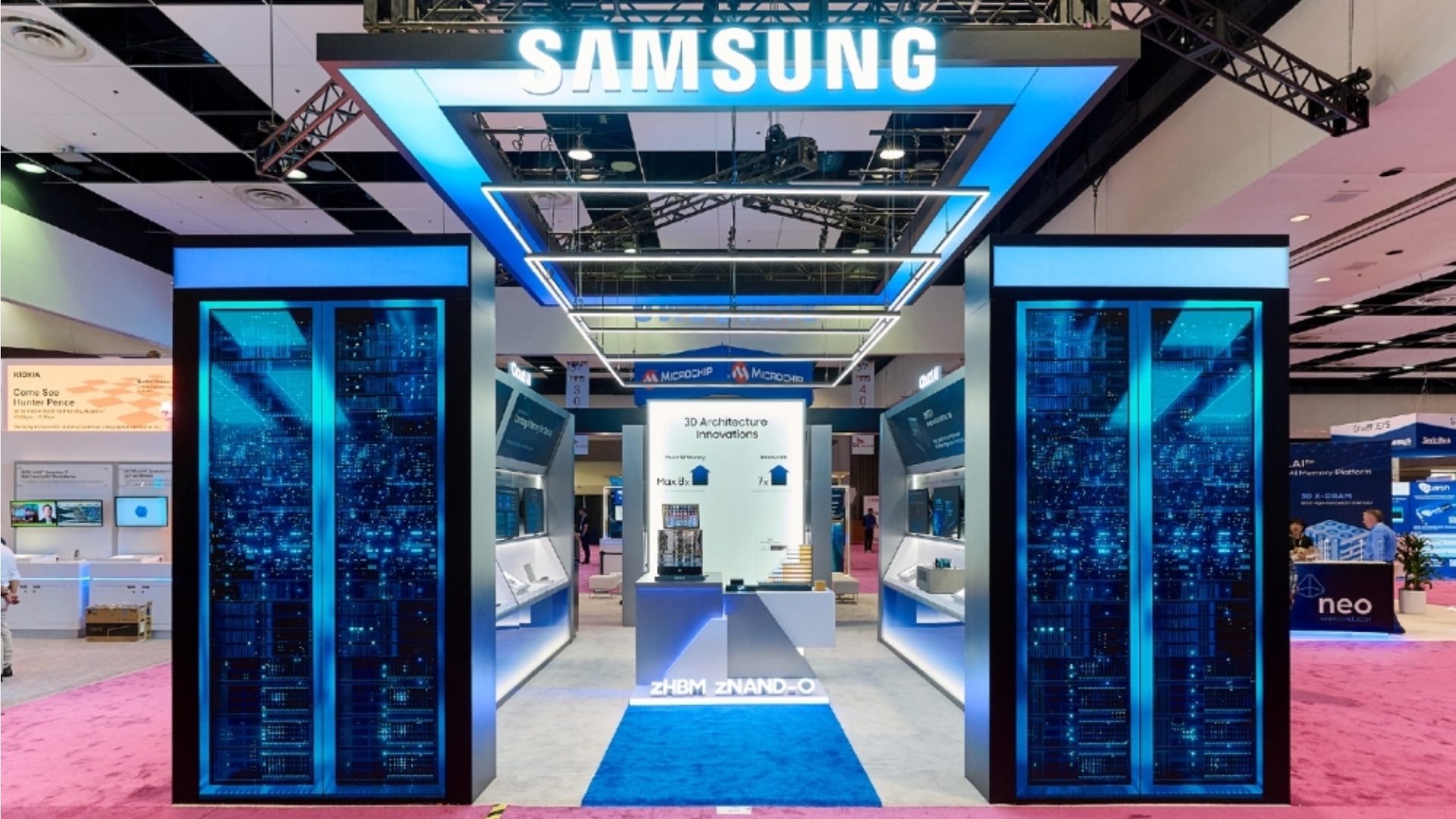
Strategic Semiconductor Collaboration Between South Korean Tech Giants
Samsung and LG are well-known global rivals that compete directly across various industries, including smart TVs, display panels, laptops, and home appliances. Despite their intense rivalry, industry reports suggest the two corporate titans are laying the groundwork for a groundbreaking manufacturing partnership concerning upcoming IoT chips.
According to insights shared by industry analysts at TheElec, LG Electronics is preparing to entrust the fabrication of its newly developed Internet of Things chips to Samsung Foundry. Rather than handling the entire silicon production internally, LG has teamed up with CoAsia SEMI, which will design the microprocessors based on precise architectural and performance requirements provided by LG.
Traditionally, because LG does not possess massive in-house semiconductor manufacturing foundries, the company has heavily relied on TSMC for producing its custom chips. Shifting this particular fabrication contract to Samsung represents a strategic pivot, opening doors for domestic technological cooperation within South Korea.
Driving Innovation Through Government-Backed AI Initiatives
This unique partnership falls under the umbrella of the South Korean government's ambitious K-On-Device AI Semiconductor Technology Development project. The microprocessors being developed under this framework are engineered to be ultra-low-power system-on-chips (SoCs) equipped to handle continuous, always-on environmental sensing.
By successfully driving down power consumption and reducing overall manufacturing expenses, LG intends to secure an early market advantage in next-generation artificial intelligence home automation platforms. The specific development budget allocated for the CoAsia SEMI and LG project amounts to KRW 31 billion, with supplementary optimization support provided by CoAsia NEXELL.
Furthermore, several other prominent South Korean industrial heavyweights—including Hyundai Motor, Doosan Robotics, Daedong, and Korea Aerospace Industries (KAI)—are participating in the broader KRW 800 billion K-On-Device AI Semiconductor Technology Development initiative, which is scheduled to run through July 2030.
Why is LG choosing Samsung Foundry over TSMC for these IoT chips?
While LG usually outsources its chip production to TSMC, this specific project is part of a domestic South Korean government-backed initiative, making a local partnership with Samsung Foundry a strategic and efficient choice for fabrication.
What role does CoAsia SEMI play in this partnership?
CoAsia SEMI is responsible for designing the custom IoT microchips according to the technical specifications and guidelines provided by LG Electronics, while Samsung handles the physical semiconductor fabrication process.
What are the primary goals of the new IoT chips?
The upcoming system-on-chips are engineered to provide ultra-low-power consumption and support always-on sensing capabilities, helping LG enhance its smart home appliances and AI platforms.
What is the total budget for the LG and CoAsia SEMI project?
The specific development project between LG and CoAsia SEMI has been allocated a dedicated budget of KRW 31 billion.
Which other companies are involved in the broader semiconductor initiative?
Other notable participants in the wider KRW 800 billion government-backed program include Hyundai Motor, Doosan Robotics, Daedong, and Korea Aerospace Industries.
🔎 Ultimately, this emerging collaboration between two fierce industry competitors highlights a growing trend toward domestic synergy in advanced semiconductor manufacturing. By combining CoAsia's design expertise, Samsung's advanced fabrication capabilities, and LG's smart appliance ecosystem, South Korean tech giants are well-positioned to drive significant innovations in the future of artificial intelligence and smart home technology.
Post a Comment