
Samsung Galaxy S26 Series Faces Potential Price Hikes Due to Rising Memory Chip Costs
Surging memory chip costs are placing severe financial pressure on the consumer electronics industry, and Samsung is reportedly weighing price increases for its upcoming flagship smartphones in its domestic market.
- ✨ Samsung is considering raising the prices of the Galaxy S26 series in South Korea starting October 1, 2026.
- ✨ Every model in the lineup could experience a uniform price increase of KRW 149,600 (approximately $111).
- ✨ Industry analysts and retailers express concern that higher retail costs might further suppress smartphone sales amid a sluggish global economy.
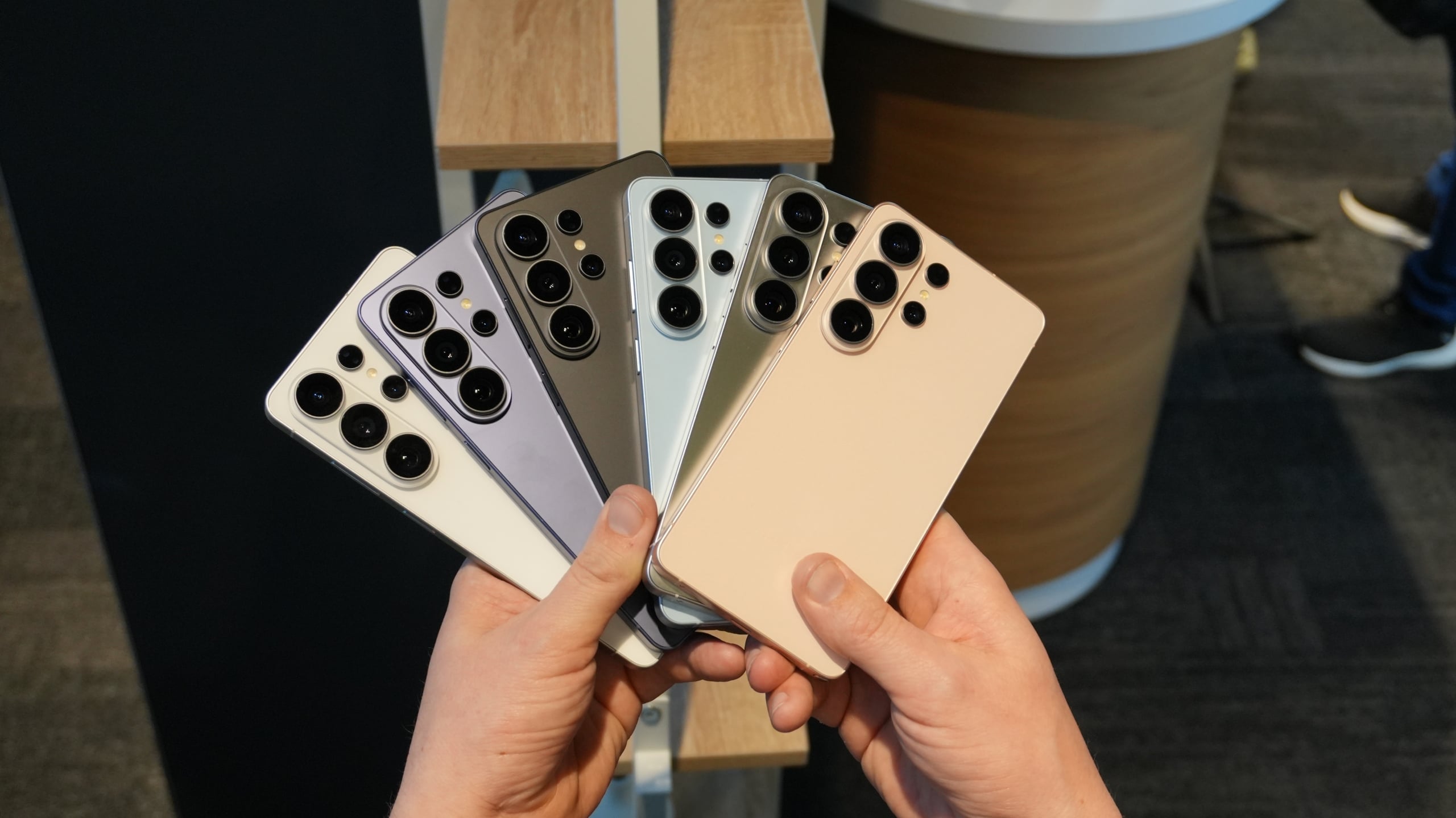
Rising Production Pressures and Expected Regional Price Adjustments
Global supply chain pressures driven by escalating RAM production costs are forcing major technology brands to rethink their retail strategies. According to recent reports from Hans Economy, Samsung is actively evaluating price hikes for the Galaxy S26+ and the broader flagship series in South Korea. Notifications distributed to local telecom operators indicate that adjustments could take effect at the start of next month.
If these adjustments are finalized, the updated cost structure for the Korean market will reflect noticeable increases across all variants. The standard model, the plus variant, and the premium Galaxy S26 Ultra are all slated for the exact same monetary bump, following a trend similar to recent hardware adjustments made by competitors like Apple across their smartphone and tablet lines.
How will the reported price adjustments impact consumers?
Consumers in South Korea may see retail prices rise by KRW 149,600 per model, which could prompt buyers to hold onto their current devices for a longer period rather than upgrading immediately.
What is driving these unexpected smartphone price increases?
The primary catalyst behind the price review is the skyrocketing cost of memory chips and components, which has significantly increased overall manufacturing expenditures for modern consumer electronics.
Will these potential price hikes expand to international markets?
While current reports specifically focus on notifications sent to domestic telecom operators in South Korea, industry experts believe similar economic pressures could influence pricing strategies globally.
How do retailers view this strategic pricing shift?
Distribution networks and retail partners are concerned that raising costs during an economically sluggish period might dampen demand, potentially boosting interest in the secondhand smartphone market instead.
🔎 Ultimately, while component costs continue to challenge hardware manufacturers, balancing profitability with consumer accessibility remains a delicate hurdle for the tech sector. As the official release window approaches, market watchers will closely monitor whether these reported adjustments signal a permanent shift in flagship pricing expectations worldwide.
Post a Comment