
Samsung May Phase Out QLED and Neo QLED Televisions
Samsung, the world's leading television manufacturer, is reportedly shifting its display strategy away from traditional Quantum Dot technologies. After pioneering QLED and Neo QLED screens over the past decade, the South Korean tech giant is facing intense pricing pressures from Chinese competitors, which may lead to the complete discontinuation of these lineups in the near future.
Key Takeaways
- ✨ Samsung has drastically reduced QLED production, dropping output from 10 million units in 2025 down to an estimated 2 to 3 million units in 2026.
- ✨ Entry-level QLED models have already been replaced by standard Mini LED TVs lacking Quantum Dot films.
- ✨ High-end Neo QLED models are being scaled back in favor of upcoming Micro RGB and established OLED TVs.
- ✨ The company is expected to completely phase out Neo QLED televisions as early as 2028.
The Shift Away From Quantum Dot Technologies
According to industry reports from Electronic Times, Samsung is significantly scaling down its production of Quantum Dot (QD) displays. The electronics giant has reportedly produced 80% fewer QLED TVs this year compared to previous years, marking a substantial retreat from a market segment it once dominated. This pivot is largely driven by aggressive market pricing from rival manufacturers such as TCL and Hisense.
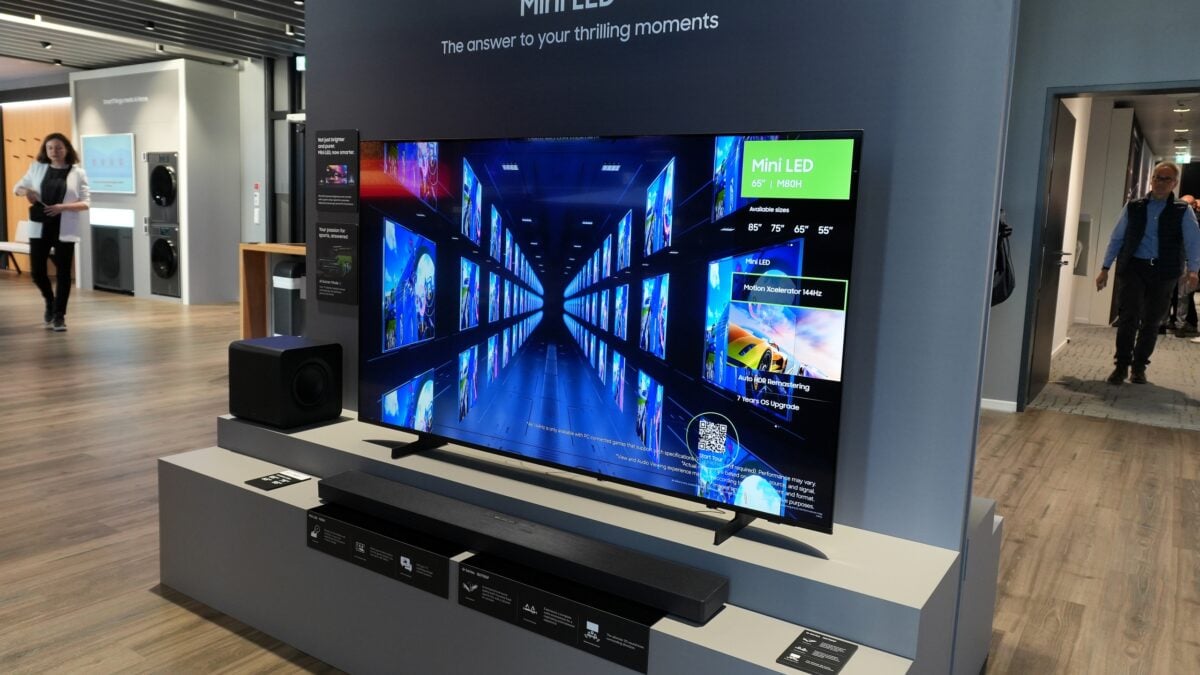
In the entry-level sector, Samsung has phased out traditional QLED models in favor of Mini LED alternatives. While these newer displays offer strong brightness and local dimming, they frequently omit the Quantum Dot enhancement films traditionally relied upon for enhanced color accuracy and depth.
Future Outlook for Premium Displays
The high-end television market is experiencing a similar transition. Samsung has begun reducing its footprint in the Neo QLED TV category—which layers Quantum Dot technology on top of Mini LED backlighting—while introducing cutting-edge Micro RGB displays featuring advanced RGB Mini LED hardware.
Industry analysts suggest that Samsung will continue this downward trajectory next year, ultimately phasing out Neo QLED models entirely by 2028. Meanwhile, the company is expected to maintain a robust selection of high-end OLED TVs, utilizing both LG Display’s W-OLED panels and Samsung Display’s QD-OLED panels to cater to consumers seeking absolute black levels and precise per-pixel illumination.
Why is Samsung reducing its QLED production?
Samsung is scaling back production primarily due to aggressive pricing wars initiated by Chinese competitors offering inexpensive alternative displays.
What technology is replacing entry-level QLED TVs?
Samsung has largely replaced entry-level QLED models with standard Mini LED televisions.
When might Samsung completely stop selling Neo QLED TVs?
Reports indicate that Samsung could completely discontinue its Neo QLED television lineup as early as 2028.
Will Samsung continue selling OLED televisions?
Yes, Samsung is expected to continue offering high-end OLED models utilizing both W-OLED and QD-OLED panel technologies.
🔎 As television manufacturing trends continue to evolve toward advanced micro-LED and organic light-emitting solutions, Samsung's strategic pivot underscores the intense commercial pressures shaping the modern consumer electronics marketplace.
Post a Comment