
Samsung May Still Secure Production Contracts for Qualcomm's Advanced 2nm Processors
Qualcomm and Samsung are reportedly engaging in continuous discussions regarding the manufacturing of next-generation flagship chipsets. Although previous rumors indicated a possible exclusive partnership with TSMC, fresh insights reveal that Samsung remains strongly positioned in the competitive race to produce these cutting-edge mobile processors.
- ✨ Qualcomm is preparing to launch two major flagship processors later this month, specifically the Snapdragon 8 Elite Gen 6 and its Pro variant.
- ✨ Samsung Foundry has made significant improvements, reaching an estimated 55% yield rate for its advanced 2nm manufacturing process.
- ✨ Current negotiations between Samsung and Qualcomm focus intensely on precise specifications, competitive pricing models, and overall process optimization.
- ✨ Industry experts believe a dual-source manufacturing strategy utilizing both TSMC and Samsung concurrently remains entirely plausible.
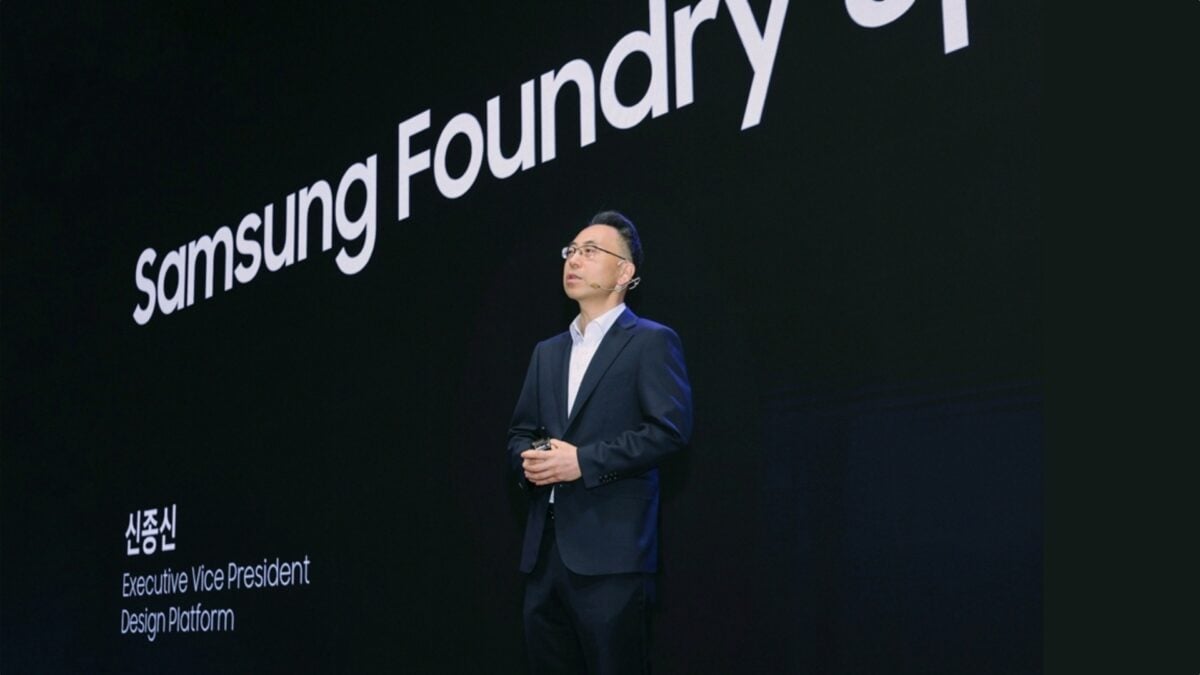
Samsung Foundry's Technological Advancements in 2nm Production
For several previous generations, Qualcomm shifted its primary high-end mobile chip manufacturing away from South Korea due to persistent yield challenges on earlier sophisticated fabrication nodes. However, the technological progression of Samsung has demonstrated notable progress, successfully attracting attention and hardware orders from prominent technology corporations in the United States. While TSMC currently maintains a leading yield rate between 60% and 70%, Samsung's steady 55% yield represents a massive and commendable performance recovery.
Senior executives and technical teams from both Qualcomm and Samsung are actively ironing out critical production parameters. These high-level corporate talks center around intricate silicon specifications, volume pricing structures, and advanced wafer process optimization. Despite early market assumptions favoring a singular supply chain partner, the possibility of dividing production capacity between TSMC and Samsung's state-of-the-art foundry facilities is still actively on the table.
What to Expect at the Upcoming Snapdragon Summit
Definitive clarity regarding the manufacturing destination for these next-generation mobile platforms is expected to be revealed during the upcoming Snapdragon Summit later this month. Analysts point out that financial agreements and exact pricing models remain the primary negotiation hurdle. Because market demand for Samsung's refined 2nm manufacturing technology is exceptionally robust, the company is reportedly hesitant to offer the heavily discounted pricing structures provided in past partnerships.
Will Qualcomm use Samsung for its next flagship processors?
Yes, recent industry reports confirm that Samsung remains a viable candidate and is actively negotiating with Qualcomm to produce portions of their upcoming flagship chips.
What are the expected names of the new Qualcomm mobile chips?
Qualcomm is anticipated to unveil the Snapdragon 8 Elite Gen 6 along with the higher-tier Snapdragon 8 Elite Gen 6 Pro during its upcoming summit event.
How does Samsung's 2nm yield compare to TSMC?
Samsung's advanced 2nm process has achieved a commendable yield rate of approximately 55%, closing the performance gap against TSMC's established 60% to 70% yields.
Why did Qualcomm previously stop using Samsung Foundry?
Qualcomm shifted away from Samsung in previous years primarily due to low yield rates and manufacturing inconsistencies on the Korean giant's earlier advanced semiconductor nodes.
🔎 Ultimately, the final decision regarding manufacturing allocations will significantly impact the competitive mobile landscape. As semiconductor fabrication margins tighten and technological milestones are achieved, both Samsung and Qualcomm stand to define the future trajectory of high-performance mobile computing.
Post a Comment