
Samsung Struggles to Keep Up as Galaxy Z Fold 8 Sees Unprecedented Demand
The Galaxy Z Fold 8 has become a massive and unexpected hit for Samsung, catching the company off guard. Breaking pre-order records across multiple global markets and outperforming legendary predecessors, the device's explosive popularity has triggered an unexpected component crunch.
Key Takeaways
- ✨ Galaxy Z Fold 8 demand has dramatically surpassed Samsung's internal forecasts, shattering historical pre-order benchmarks.
- ✨ Samsung is grappling with severe manufacturing constraints due to a shortage of custom display driver integrated circuits (DDIs).
- ✨ Supplier UMC has reached maximum output capacity, forcing Samsung to reallocate upcoming component stocks to current production lines.
Overwhelming Demand Leads to Manufacturing Bottlenecks
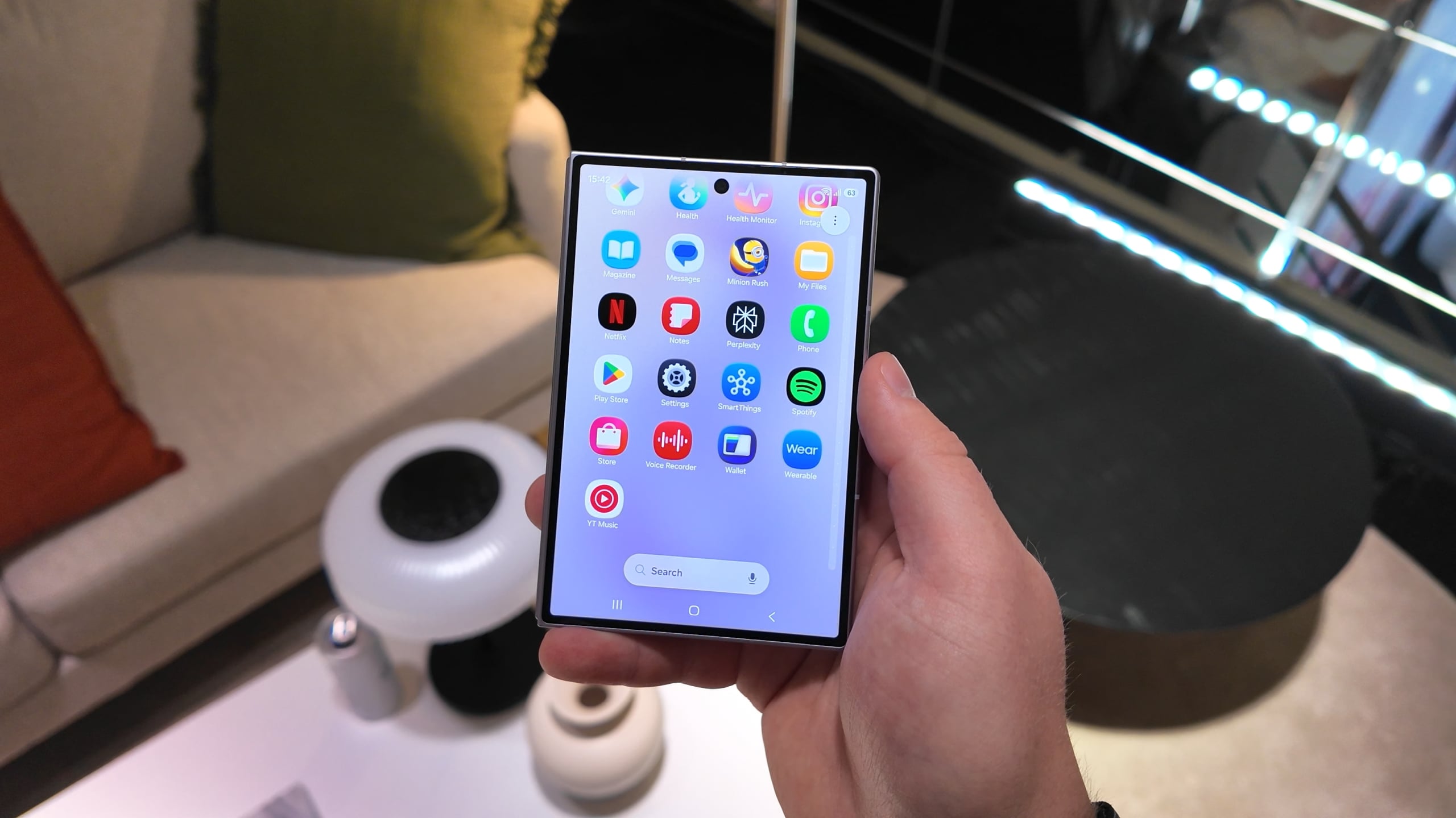
The Galaxy Z Fold 8 has proven to be an astonishing commercial success, propelling Samsung into high gear. The foldable smartphone shattered pre-order records in several countries and regions, easily eclipsing the historic highs previously established by the iconic Galaxy Note 10.
Because Samsung severely underestimated consumer appetite for the Galaxy Z Fold 8, the tech giant was forced to abruptly scale up manufacturing. However, this sudden surge has exposed a critical vulnerability: a severe shortage of custom display driver integrated circuits (DDIs) essential for the foldable screens.
The crucial DDIs are designed internally by Samsung's System LSI division and fabricated by Taiwan's United Microelectronics Corporation (UMC) utilizing their advanced 22nm process node. Unfortunately, UMC's production lines have maxed out, rendering them incapable of accelerating chip output any further.
Although Samsung urged the Taiwanese manufacturer to prioritize an expedited "super hot run" service, even these special measures fall short of satisfying the current assembly demands. Consequently, the South Korean corporation intends to repurpose DDI inventory originally earmarked for next year's product development, diverting those components directly into active mass production.
Unlike standardized DRAM chips that can be fluidly shifted across various mobile models, DDIs are uniquely engineered for precise device specifications. Furthermore, standard wafer processing requires approximately four months. Once fabricated, these wafers merge with OLED panels manufactured by Samsung Display before reaching Samsung MX, firmly establishing DDIs as a primary manufacturing bottleneck.
Market Dynamics and Future Competitors
In sharp contrast to the runaway triumph of the Galaxy Z Fold 8, the companion Galaxy Z Flip 8 is experiencing comparatively modest consumer demand.
Looking ahead, the ultimate test for the Galaxy Z Fold 8 and Galaxy Z Fold 8 Ultra will emerge when Apple introduces its long-awaited foldable iPhone, widely rumored to debut as the iPhone Ultra. Expected to break cover during Apple's upcoming press event, this competitor could shake up the foldable landscape later in the year.
Why is the Galaxy Z Fold 8 facing production delays?
Samsung underestimated the overwhelming global demand for the device, which quickly exhausted the manufacturing capacity for its custom display driver chips.
Who manufactures the display driver integrated circuits for the device?
The DDIs are designed by Samsung's System LSI division and produced by Taiwan's United Microelectronics Corporation (UMC) on a 22nm process.
How is Samsung solving the component shortage?
Samsung is redirecting DDI inventory initially reserved for next year's product development pipeline directly into current mass manufacturing streams.
Are all new Samsung foldables experiencing high demand?
No, while the Galaxy Z Fold 8 is breaking pre-order records, the Galaxy Z Flip 8 is recording lower-than-anticipated sales figures.
🔎 Ultimately, the unexpected triumph of the Galaxy Z Fold 8 highlights a shifting market preference toward advanced large-screen foldables. By swiftly reallocating critical component stocks and navigating supply chain limitations, Samsung is striving to maintain momentum and satisfy global consumers eagerly awaiting their next-generation mobile devices.
Post a Comment