
Samsung Successfully Trials Groundbreaking 6G Network Technology with Verizon in the United States
Samsung has officially announced the successful completion of a groundbreaking field trial for an essential next-generation 6G network technology. Partnering with Verizon in the United States, the tech giant tested Integrated Sensing and Communication (ISAC), showcasing how future cellular architectures will significantly evolve beyond standard data transmission.
Key Takeaways
- ✨ Samsung and Verizon completed one of the world's first practical implementations of ISAC on an active commercial network.
- ✨ The trial utilized Samsung's powerful Network in a Server (NIS) platform to analyze crowd movements in near real time.
- ✨ This technological leap paves the way for infrastructure that helps manage public safety, optimize performance, and understand environmental conditions.
Transforming Telecommunications with ISAC Technology
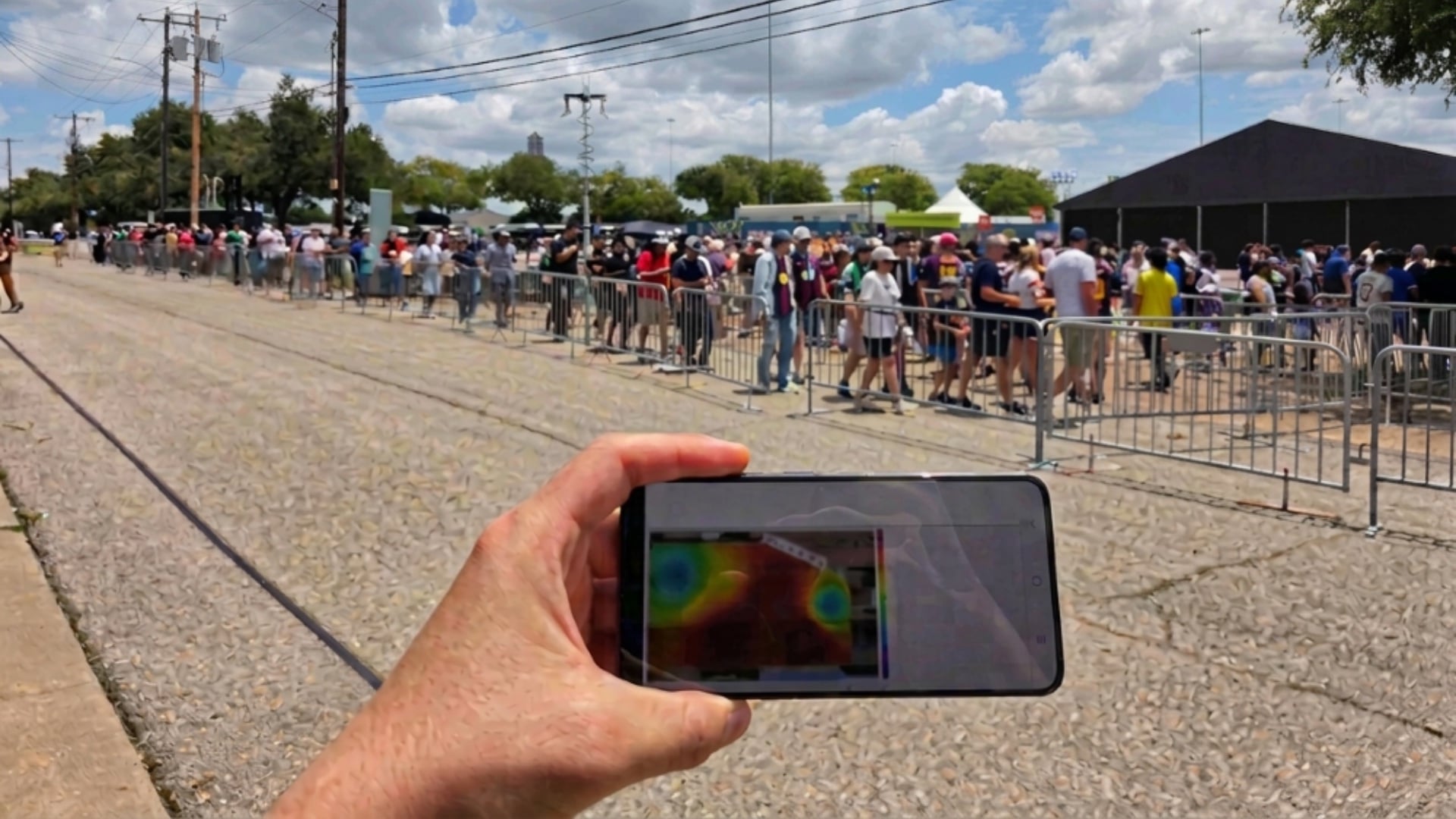
The field trial took place over Verizon’s operational commercial network during a major international soccer fan event in Dallas, Texas. This milestone represents a monumental step forward, proving that ISAC capabilities can be successfully integrated into existing network frameworks without requiring entirely separate hardware setups.
Verizon’s advanced network relies heavily on artificial intelligence-powered virtualized RAN (vRAN). To make the ISAC field trial possible, Samsung integrated its vCore, vRAN, and specialized ISAC software applications directly into its unified Network in a Server (NIS) platform. This innovative setup effectively consolidates multiple network functions and high-speed computing power into a single server unit.
During the demonstration, a CBRS radio unit utilizing 40MHz of spectrum was mounted on a Verizon Cell-On-Wheels configuration to act as a dedicated sensing receiver. By tracking subtle channel variations originating from nearby 5G smartphones, Samsung's NIS platform processed the telemetry data to generate an accurate, near-real-time crowd density heatmap.
The Future of Wireless Communication Environments
This successful demonstration highlights how upcoming wireless communications will transcend traditional boundaries. Instead of solely moving data packets from one point to another, future networks will actively perceive their surrounding physical environments and react dynamically.
By providing real-time insights into crowd distribution and movement patterns, network operators can seamlessly optimize performance, guide attendees toward less congested facilities, and drastically minimize waiting times. Furthermore, the early detection of localized overcrowding opens the door to proactive interventions, ensuring enhanced safety and security during massive public gatherings.
What is Integrated Sensing and Communication (ISAC)?
ISAC is a foundational 6G networking technology that merges wireless communication and radar-like sensing capabilities into a single system, allowing cellular networks to detect objects, track movements, and analyze physical environments while transmitting data.
Where was the recent Samsung and Verizon trial conducted?
The live field trial took place over Verizon's commercial network infrastructure during an international soccer fan event hosted in Dallas, Texas, USA.
How does the Network in a Server (NIS) platform function?
Samsung's NIS platform streamlines operations by consolidating vCore, vRAN, and advanced ISAC applications along with accelerated computing capabilities into a single, highly efficient server unit.
What are the primary real-world benefits of ISAC technology?
ISAC offers real-time visibility into crowd density, empowering network operators to optimize performance, reduce congestion, improve public navigation, and prevent safety incidents through early overcrowding detection.
🔎 As telecommunications research continues to accelerate toward standardizing next-generation systems, collaborations like the one between Samsung and Verizon illustrate the immense potential of intelligent, environment-aware connectivity. These innovations ensure that tomorrow's digital infrastructure will be smarter, safer, and infinitely more responsive to human needs.
Post a Comment