
Apple's Matte iPhone Duo Display: Is It Really Better Than Glossy OLED?
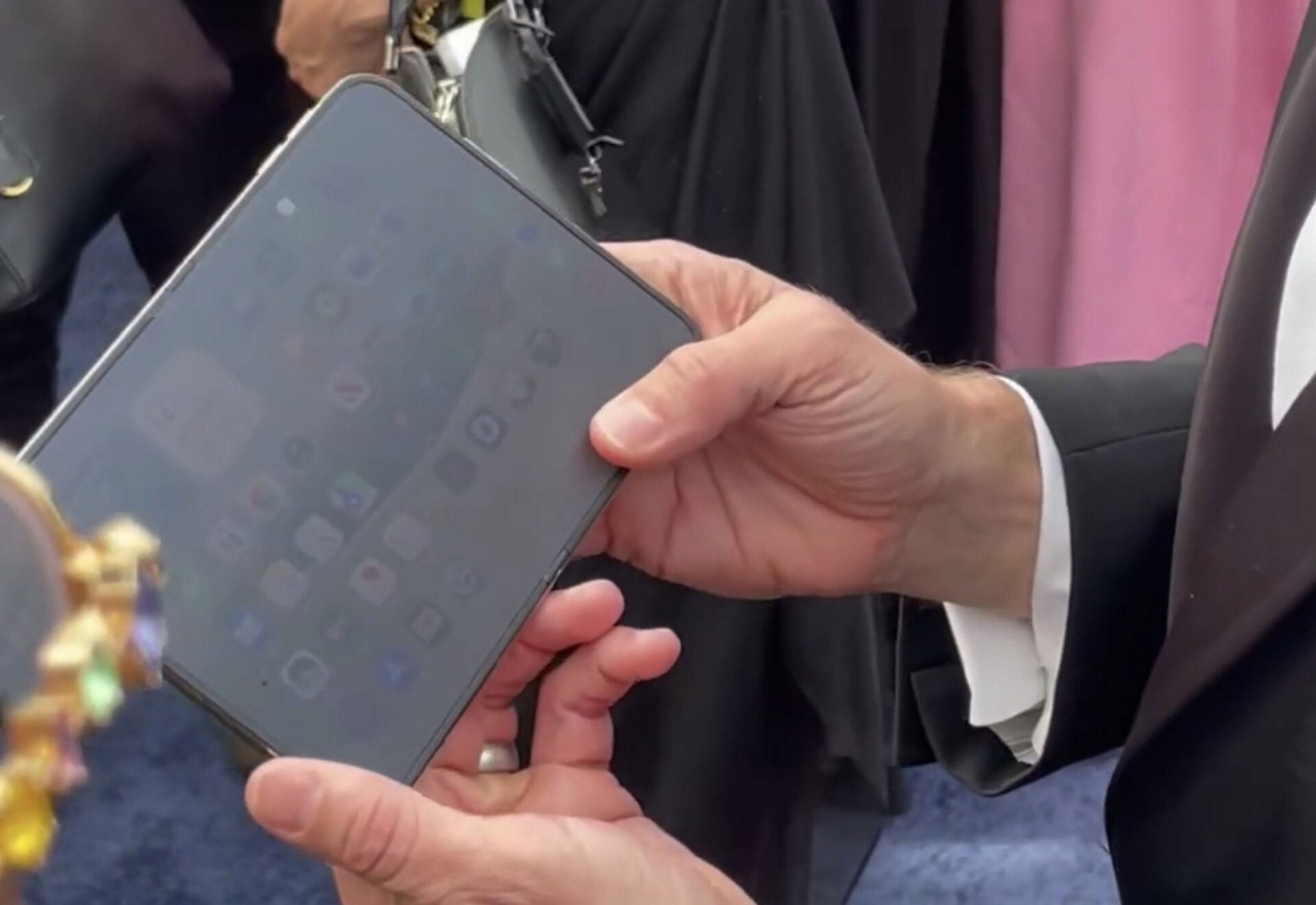
Seeing John Ternus unfold the iPhone Duo at the Emmy Awards left many wondering whether Apple’s anti-reflection strategy truly outperforms Samsung's approach. The inner screen appeared notably washed out in the live footage, raising questions about how this innovative nano-texture finish holds up in real-world environments.
- ✨ Apple's iPhone Duo introduces a matte nano-texture foldable display designed to diffuse direct glare and harsh light reflections.
- ✨ Samsung's Galaxy Z Fold 8 relies on a specialized low-reflection treatment paired with a traditional glossy OLED panel.
- ✨ While matte coatings reduce harsh reflections, they can scatter light across the panel and potentially impact contrast and color depth.
- ✨ Direct real-world testing under diverse lighting conditions is essential to determine whether Apple's radical shift compromises everyday visual clarity.

Samsung Solves Reflections Without Going Matte
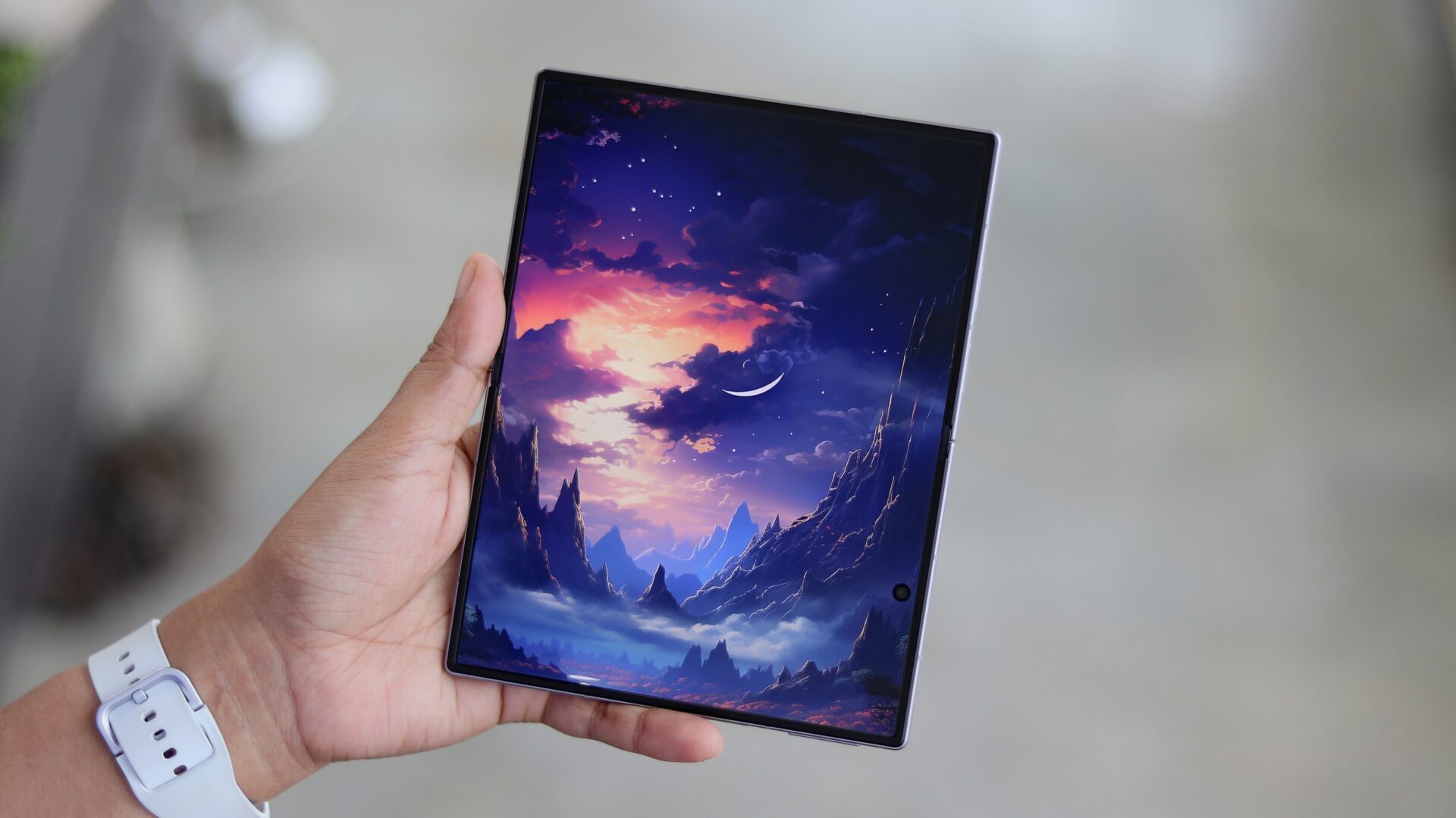
Samsung approaches screen glare from a completely different angle. The Galaxy Z Fold 8 features an inner display that retains a glossy finish, enhanced by a specialized low-reflection treatment and an impressive peak brightness of up to 3,000 nits. Apple specifies the exact same 3,000 nits of outdoor brightness for the iPhone Duo, but merges it with a light-diffusing nano-texture glass surface.
On paper, their luminance numbers match completely. However, maximum brightness alone does not dictate how comfortable a screen will feel during outdoor use. Glare can still degrade readability even on ultra-bright panels if reflections obscure fine details.
The Hidden Trade-Offs of a Matte Surface
Apple’s nano-texture glass breaks up sharp light sources, preventing lamps or windows from reflecting as distinct mirror images. While effective at scattering glare, that redirected light does not vanish.
Spreading ambient light across a wider surface area can lower perceived contrast and dull dark tones. Instead of a single sharp reflection, users might encounter a larger washed-out haze under tough lighting conditions. This exact phenomenon made the Emmy appearance so heavily scrutinized by tech enthusiasts.
Everyday Usability and Display Character
Beyond optical performance, practical questions remain regarding how smudge-resistant the nano-texture coating truly is. While Apple includes an oleophobic finish, oils from fingers and heavy daily friction could interact uniquely with the textured glass.
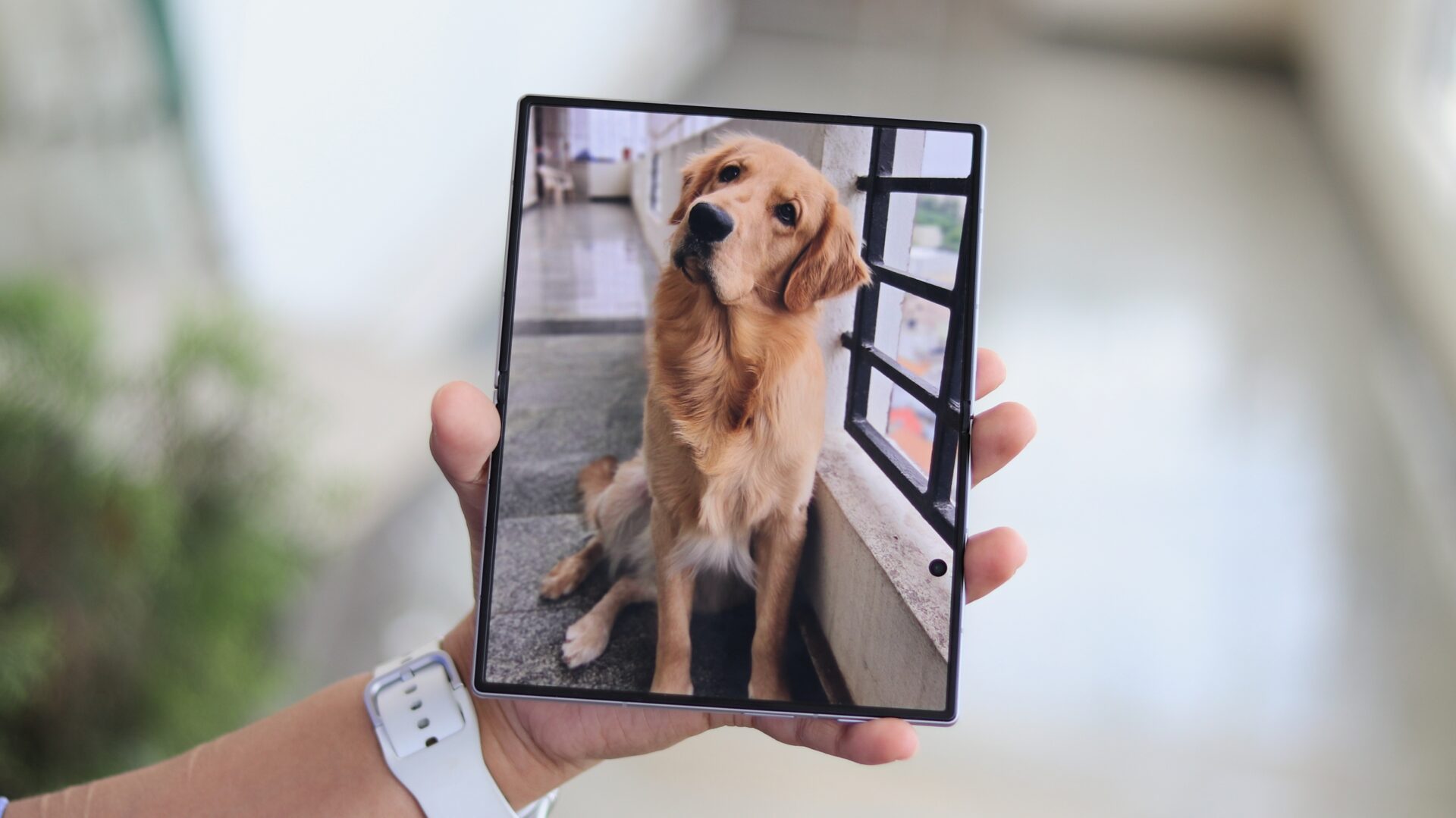
When streaming video or reading text, visual punch, deep blacks, and crisp sharpness matter far more than eliminating every trace of a center crease. Samsung’s philosophy preserves the traditional traits of high-end OLED panels, while Apple embraces a much bolder structural change.
Does the matte screen reduce contrast?
Scattering ambient light across a nano-texture panel can diffuse glare, but it may also lower perceived contrast and wash out dark content under bright lighting.
How bright is the iPhone Duo display outdoors?
Apple rates the iPhone Duo for up to 3,000 nits of peak outdoor brightness, matching the luminance specifications of top-tier rivals like the Galaxy Z Fold 8.
Does Samsung use matte screens on its foldables?
No, Samsung utilizes advanced low-reflection cover treatments on its glossy OLED panels to control glare without altering the traditional display texture.
Is the folding crease noticeable during daily use?
While initial impressions highlight minimal creases on newer foldable models, most users quickly stop noticing the center fold during everyday reading and media consumption.
🔎 Ultimately, determining the superior display technology requires rigorous head-to-head testing. Until both devices can be evaluated side by side under identical lighting conditions, the debate between Apple's radical matte solution and Samsung's refined glossy approach will remain wide open.
Post a Comment