
Chinese Technology Leaders Target 10-Year Memory Chip Supply Deals with Samsung
Amid ongoing memory chip shortages, major Chinese tech corporations are aggressively moving to lock down long-term supply chains. Leading firms are pushing for unprecedented multi-year contracts to ensure stable infrastructure growth.
- ✨ Major Chinese tech giants including Alibaba, Tencent, and ByteDance are pursuing ultra-long memory chip contracts.
- ✨ While standard agreements last three to five years, these firms are requesting extended 10-year commitments.
- ✨ The surge in demand is heavily driven by the need for powerful server-grade DDR and LPDDR DRAM chips in AI infrastructure.
- ✨ Samsung remains in a dominant market position, securing its financial future against industry volatility.
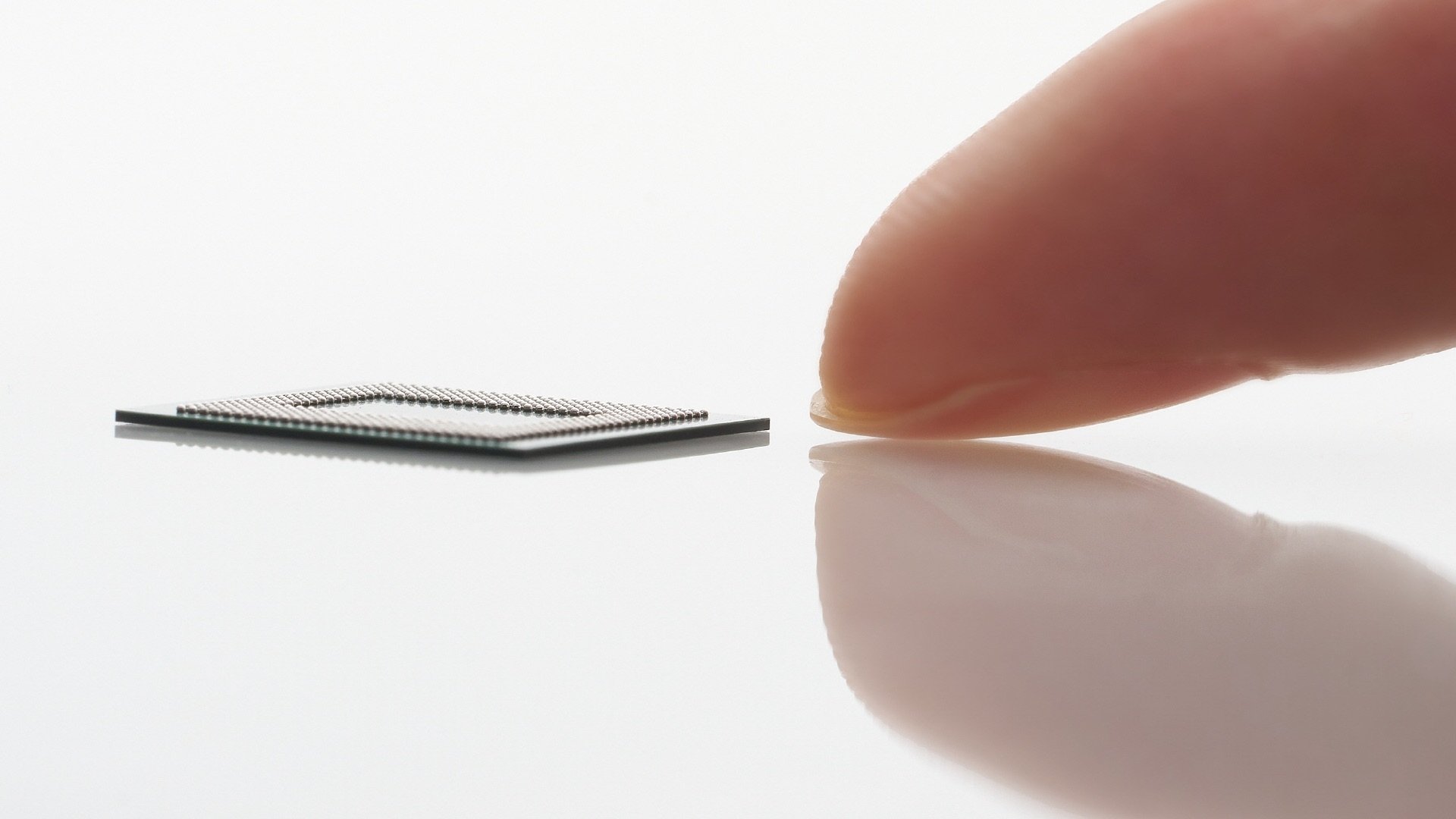
Securing the Future of AI Infrastructure with Samsung Memory
There has been a severe shortage of memory chips for the past couple of years, and Samsung is making full use of its dominant position in this segment to increase profits and secure its near future. The world's largest memory chip maker can now rest assured that it will continue to see strong demand over the next few years.
A report from Maeil Business Newspaper claims that major Chinese tech companies, including Alibaba, ByteDance (TikTok owner), and Tencent, are asking Samsung for ultra-long long-term agreements (LTAs) for memory chips. Usually, LTAs span three to five years, but these Chinese firms reportedly want 10-year LTAs as they aggressively try to secure server-grade DDR and LPDDR DRAM chips.
While LPDDR DRAM chips are typically used in low-power devices like laptops, smartphones, and tablets, they are now in strong demand to help manage power efficiency in AI servers.
AI companies need massive amounts of memory chips to power their AI servers and cloud infrastructure. Most major US tech giants have already locked in LTAs for memory chips from Micron, Samsung Electronics, and SK Hynix, forcing Chinese cloud service providers to rush to secure the remaining supply.
Samsung is projected to earn more profit this year than in the past 40 years combined, but there have been concerns about how long this scenario will last and what happens when the AI bubble bursts. However, with three- to five-year LTAs with US tech giants and possible 10-year LTAs from Chinese tech firms, Samsung appears well-positioned for the future.
Why are Chinese tech companies seeking 10-year memory chip contracts?
Chinese tech firms are looking to secure long-term stability for their rapidly expanding AI servers and cloud infrastructure amid ongoing global supply shortages.
What types of memory chips are in highest demand for AI servers?
Server-grade DDR and LPDDR DRAM chips are currently seeing exceptionally high demand due to their efficiency in powering heavy cloud and artificial intelligence workloads.
How do these long-term agreements benefit Samsung?
These multi-year commitments guarantee steady demand and consistent revenue streams for Samsung Electronics, protecting the company against future market downturns.
Who are the key Chinese corporations involved in these negotiations?
The primary participants driving these massive supply requests include Alibaba, Tencent, and ByteDance.
🔎 Ultimately, the aggressive push by major global enterprises to lock down decade-long supply arrangements highlights the indispensable role of advanced semiconductor manufacturing in modern technology. As the artificial intelligence landscape continues to scale exponentially, hardware stability remains the ultimate cornerstone of digital progress. Samsung's strategic leverage in this market positions it securely at the heart of the next generation of computing innovation.
Post a Comment