
Could a Magnetic Battery Pack Transform the Galaxy Z Fold 8 into the Ultimate Tablet Experience?
The Galaxy Z Fold 8 offers one of the most compelling and satisfying tablet-like experiences available today. While it may not boast the absolute largest screen or the most robust sound system on the market, its carefully calibrated size, lightweight build, and ergonomic aspect ratio make it an absolute joy to use for daily productivity and media consumption.
Key Takeaways
- ✨ The Galaxy Z Fold 8 delivers a phenomenal foldable tablet experience, but its battery life still lags behind dedicated standalone tablets.
- ✨ Integrating an external magnetic battery pack or Qi2-compatible accessory could effectively bridge the gap for heavy users.
- ✨ While built-in magnets offer convenience, Samsung must carefully balance weight distribution and camera housing constraints.
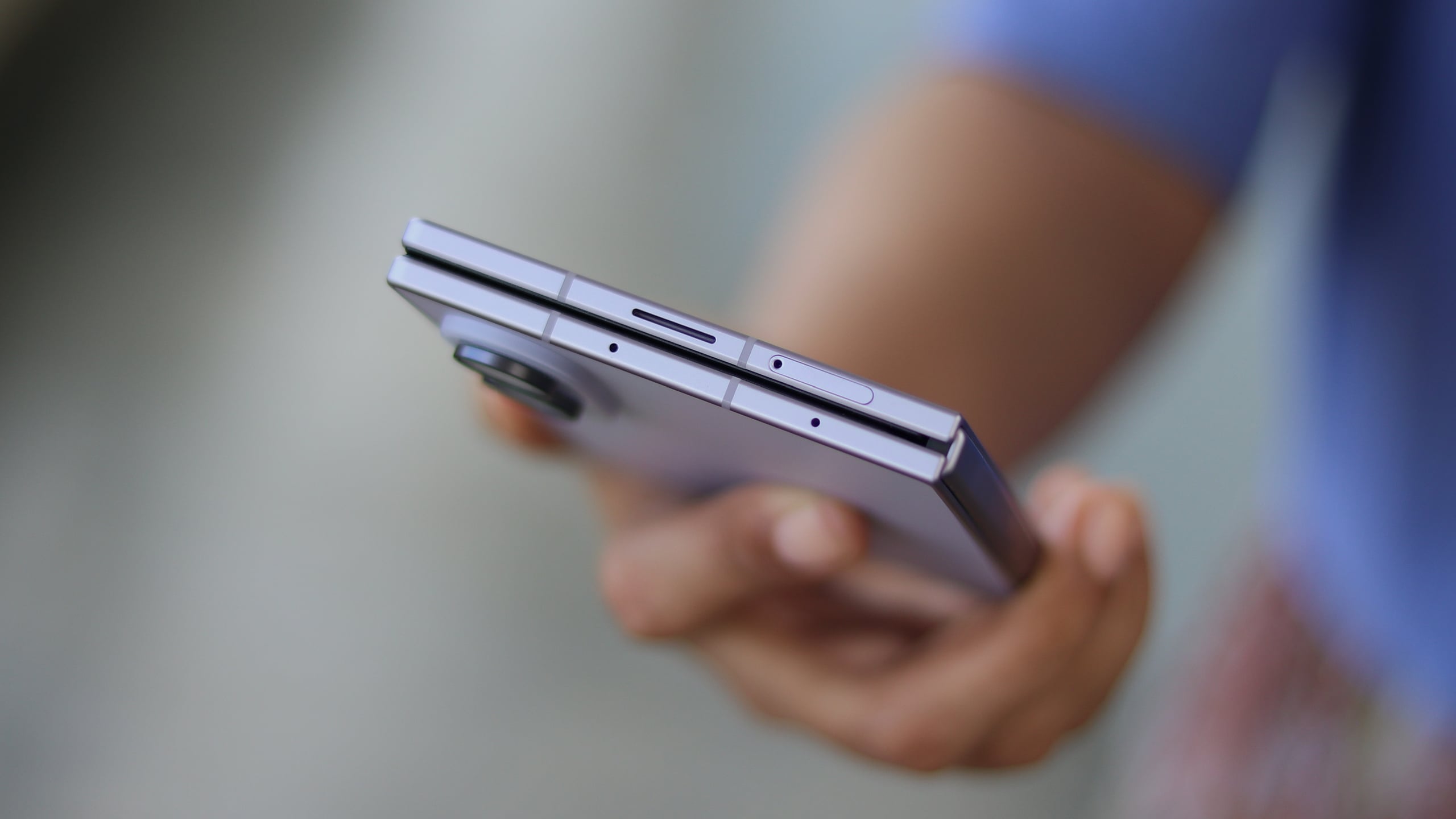
The Battery Life Hurdle for Foldable Tablets
Despite its near-perfection, flagship Galaxy tablets vastly outperform the device when it comes to raw battery autonomy. While the Z Fold 8 provides adequate power management compared to a standard smartphone, unfolding it into a large display transforms the usage profile completely.
If battery limitations were entirely removed, Samsung's passport-style Galaxy Z Fold series could completely replace standalone tablets. It has the potential to become the ultimate portable companion for commuters, travelers, and mobile gamers who demand maximum screen estate on the move.
However, engineering a larger internal battery remains a monumental physical challenge. The Z Fold 8 relies on an ultra-thin folding profile, leaving virtually no spare internal volume for a significantly larger power cell. Even with the introduction of advanced silicon-carbon batteries in the latest generation, immediate leaps in internal capacity are constrained by physics.
Real-World Gaming and Extended Power Sessions
During a recent weekend gaming marathon featuring titles like League of Legends: Wild Rift and card-based strategy games, the intensive screen-on time quickly depleted the device. Seeking to stay comfortable on the couch without hunting for a wall outlet, plugging into a massive 20,000mAh external battery pack proved to be a functional, albeit clumsy, workaround.
Managing a loose USB-C cable dangling from the top of the phone introduced minor annoyances. Rotating the foldable device upside down during gaming sessions is a common trick to keep the camera cutout out of the way, but traditional wired power banks disrupt the sleek, premium feel of the hardware.
Should Samsung Embrace a MagSafe-Style Ecosystem?
Apple popularized magnetic accessory attachment with its MagSafe ecosystem, a concept that could provide inspiration for foldable devices. While Samsung relies primarily on specialized phone cases equipped with Qi2-standard magnetic rings, buying these cases is not ideal for users who prefer running their devices completely case-free.
A dedicated, lightweight magnetic wireless battery pack designed specifically for the Galaxy Z Fold 9 would solve this dilemma. Providing just a couple of thousand extra milliamp-hours would push the device into true tablet autonomy without adding excessive bulk.
Why Hasn't Samsung Built-In Magnets Yet?
Embedding magnets directly into the chassis of a foldable phone presents notable engineering hurdles. Beyond proprietary ecosystem considerations, the prominent camera housing on the rear panel leaves limited flat surface area for seamless magnetic alignment.
How Does Weight Impact Foldable Design?
Lightness stands as Samsung's ultimate design advantage for its foldable lineup, keeping the hardware significantly lighter than competing multi-device setups. Because magnets add structural density, increasing weight to support an accessory ecosystem might conflict with Samsung's core philosophy.
Will We See First-Party Magnetic Accessories Soon?
Even if internal magnets are omitted, launching a streamlined first-party magnetic battery pack and compatible case ecosystem would give users a cleaner alternative to traditional wired power banks.
Can Software Optimizations Help Manage Power Draw?
Advanced display refresh rate scaling and AI-driven background process management help mitigate power drain, but hardware expansion remains the definitive answer for extended multi-hour tablet use.
🔎 Ultimately, finding a balance between featherlight portability and extended power autonomy is crucial for the future of mobile productivity. Whether through innovative case accessories or redesigned internal engineering, addressing battery anxiety will unlock the true potential of future foldable generations.
Post a Comment