
Crucial Updates and Price Increases Ahead for the Upcoming Galaxy S27 Series
While upcoming flagship smartphones are anticipated to offer vastly improved performance, updated software ecosystems, and enhanced battery efficiency, consumers looking to upgrade may face some unexpected financial hurdles. Recent supply chain insights indicate that Samsung's upcoming flagship lineup could come with a higher price tag across multiple regions, alongside significant hardware tier differentiation.
TL;DR - Key Takeaways
- ✨ Samsung is reportedly planning to increase the base price for the entire Galaxy S27 series by roughly $100 compared to previous generations.
- ✨ Higher storage tier upgrades, such as moving from 256GB to 512GB, are expected to carry an even steeper premium.
- ✨ Advanced memory specifications like LPDDR6 RAM and UFS 5.0 storage may be restricted to select models like the Pro and Ultra variants.
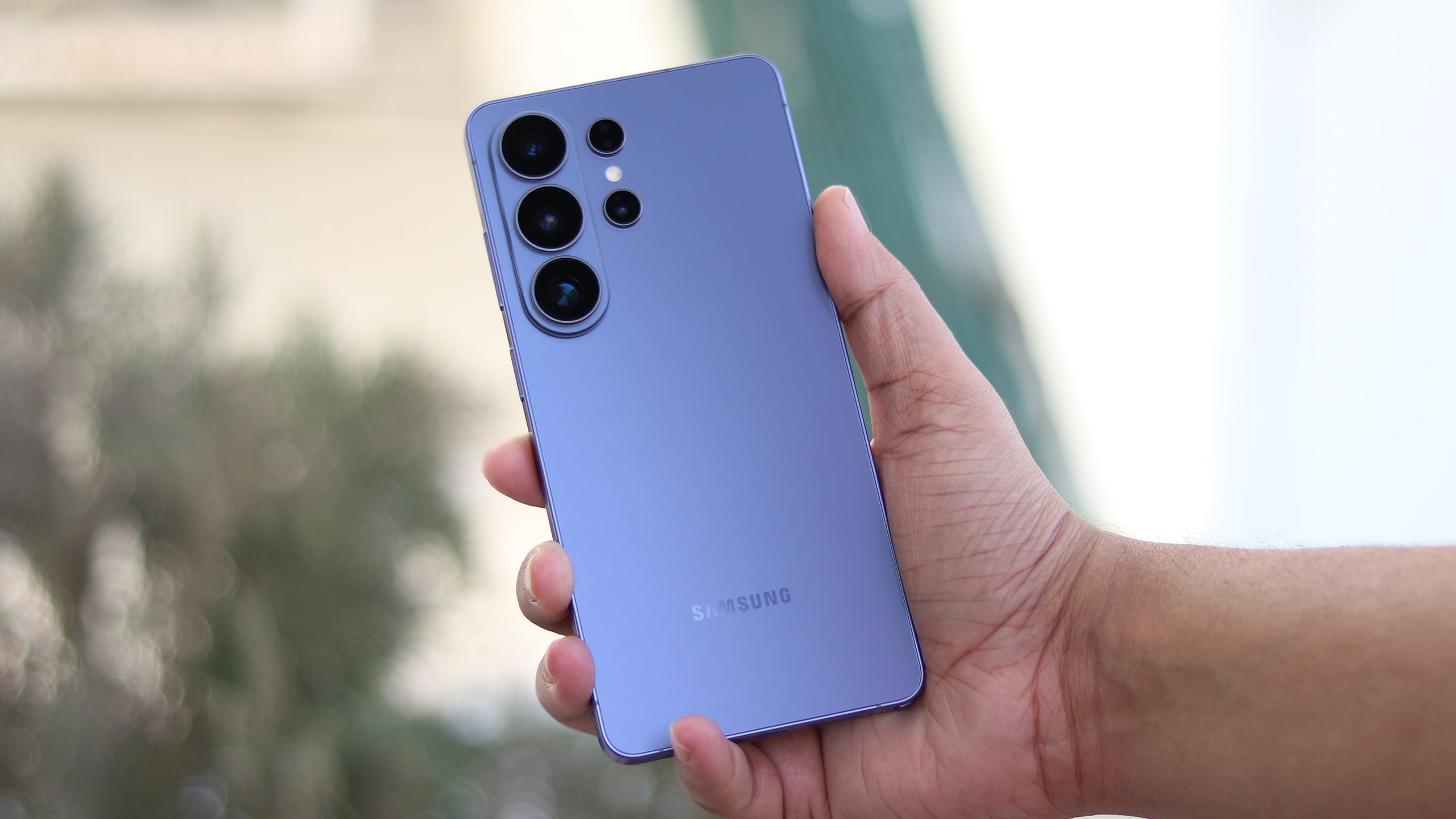
Expected Price Hikes Across the Galaxy S27 Lineup
According to industry reports from reliable sources in South Korea, Samsung intends to raise prices across the entire Galaxy S27 family. Analysts suggest that buyers should anticipate a price increase of approximately 130,000 KRW, roughly translating to a $100 markup over preceding models.
Furthermore, the financial adjustments do not stop at baseline pricing. The manufacturer is expected to escalate the costs associated with storage configurations. While previous generations required an additional fee for moving from 256GB to 512GB capacities, the upcoming Galaxy S27 Ultra and its companion devices will likely feature an even higher premium for expanded internal storage.
These pricing adjustments are heavily influenced by the ongoing global semiconductor and memory supply constraints, often referred to in the industry as the RAMageddon crisis. To read more about the rising costs of components like DRAM and NAND, you can review industry insights on Samsung Memory updates.
Fragmented Hardware Specifications
In addition to cost adjustments, internal component distribution will experience segmentation. Reports indicate that next-generation LPDDR6 memory will not be standard across all variants. Instead, cutting-edge hardware features—including advanced memory modules and ultra-fast storage standards—will likely be exclusive to the Galaxy S27 Pro and the top-tier Ultra model.
Will the price increases affect all global markets equally?
While initial pricing strategies originate in South Korea, industry analysts expect international markets to absorb similar price adjustments due to global supply chain pressures and component shortages.
Which models are expected to feature LPDDR6 RAM?
Advanced memory architectures like LPDDR6 RAM and high-speed UFS storage are expected to be limited to the higher-end configurations, specifically the Pro and Ultra variants.
Why are smartphone manufacturing costs rising?
Global supply chain deficits for semiconductor chips, alongside increasing costs for raw materials used in memory production, are driving up component expenses for major tech manufacturers.
How much more expensive will storage upgrades be?
While standard 256GB to 512GB upgrades previously carried a moderate premium, upcoming models are projected to feature an increased markup of roughly $100 extra compared to past generations.
🔎 Ultimately, while upcoming mobile releases will undoubtedly introduce groundbreaking technologies and refinements, consumers should prepare for a more expensive upgrade cycle when the new generation officially launches. Planning ahead and monitoring market trends will be essential for anyone looking to secure the best value on their next device.
Post a Comment