
Galaxy S27 Ultra's Camera Housing Could Finally Solve the Annoying Desk Wobble Issue
Many fans are currently dissatisfied with Samsung's alleged camera redesign for the upcoming flagship, but there may be a surprisingly practical bright side that everyone is overlooking.
✨ Key Takeaways
- Initial leaks regarding the Galaxy S27 Ultra camera redesign have sparked widespread debate and aesthetic criticism among smartphone enthusiasts.
- The newly rumored horizontal camera island could offer hidden structural benefits, potentially housing advanced internal cooling and processing components.
- A wider camera housing provides a balanced support base across the upper back, effectively eliminating the irritating desk wobble common on modern devices.
- This potential shift in design philosophy might set a new hardware standard for future Samsung models like the Galaxy Z Fold lineup.
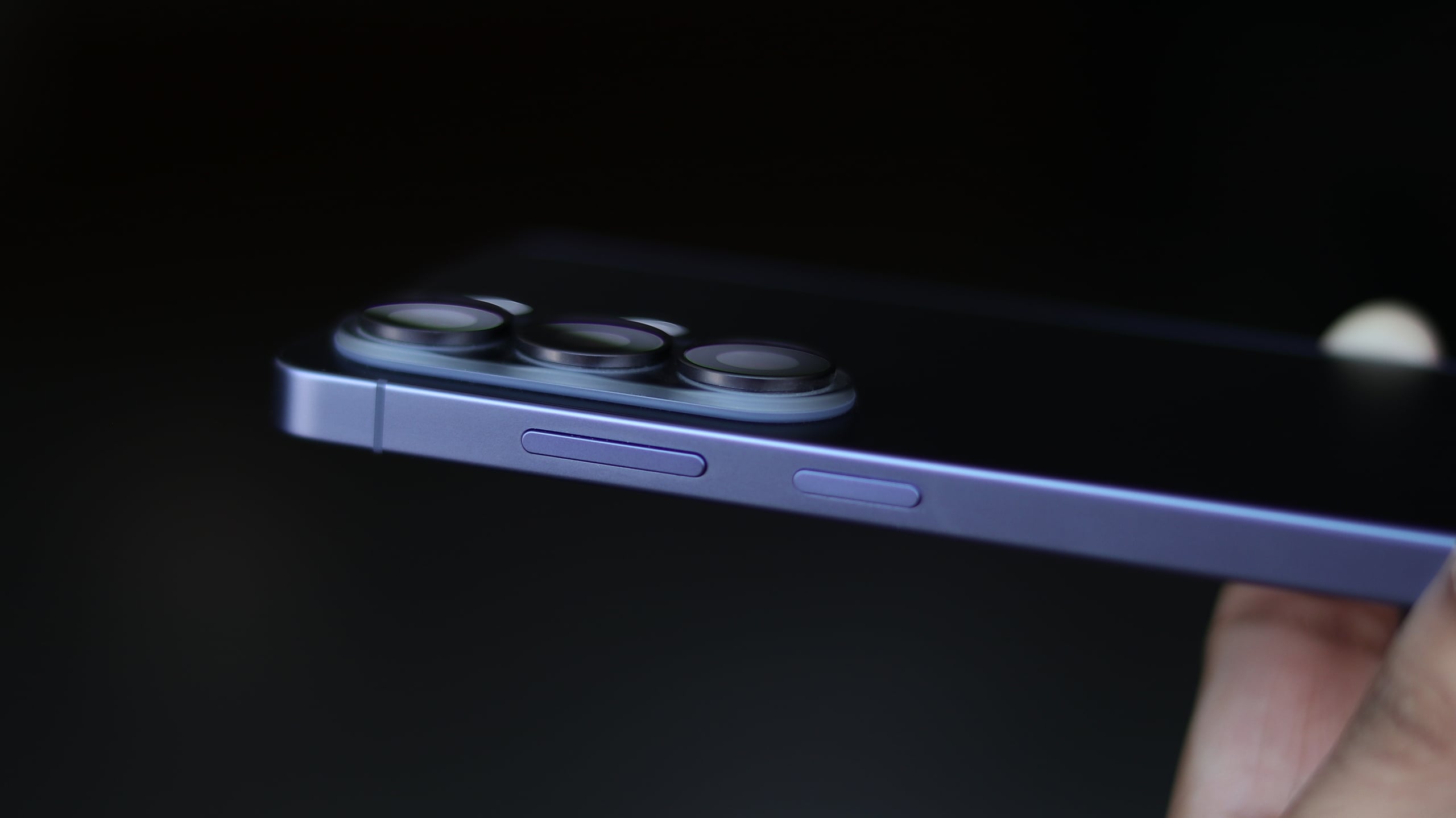
You do not need a deep dive into social media to notice that the vocal majority of people commenting on the recent Galaxy S27 Ultra leaks is thoroughly dissatisfied with the purported design choices.
Of course, nothing is entirely final until Samsung makes an official announcement. As we have witnessed numerous times in the past, the final retail product usually—if not always—exceeds early design expectations and engineering doubts.
Even so, the early CAD leaks reveal a significant hardware transformation that goes well beyond surface-level aesthetics. The phone is expected to feature a brand new, enlarged, horizontal camera island that is completely unlike anything we have ever seen on a Samsung device before.
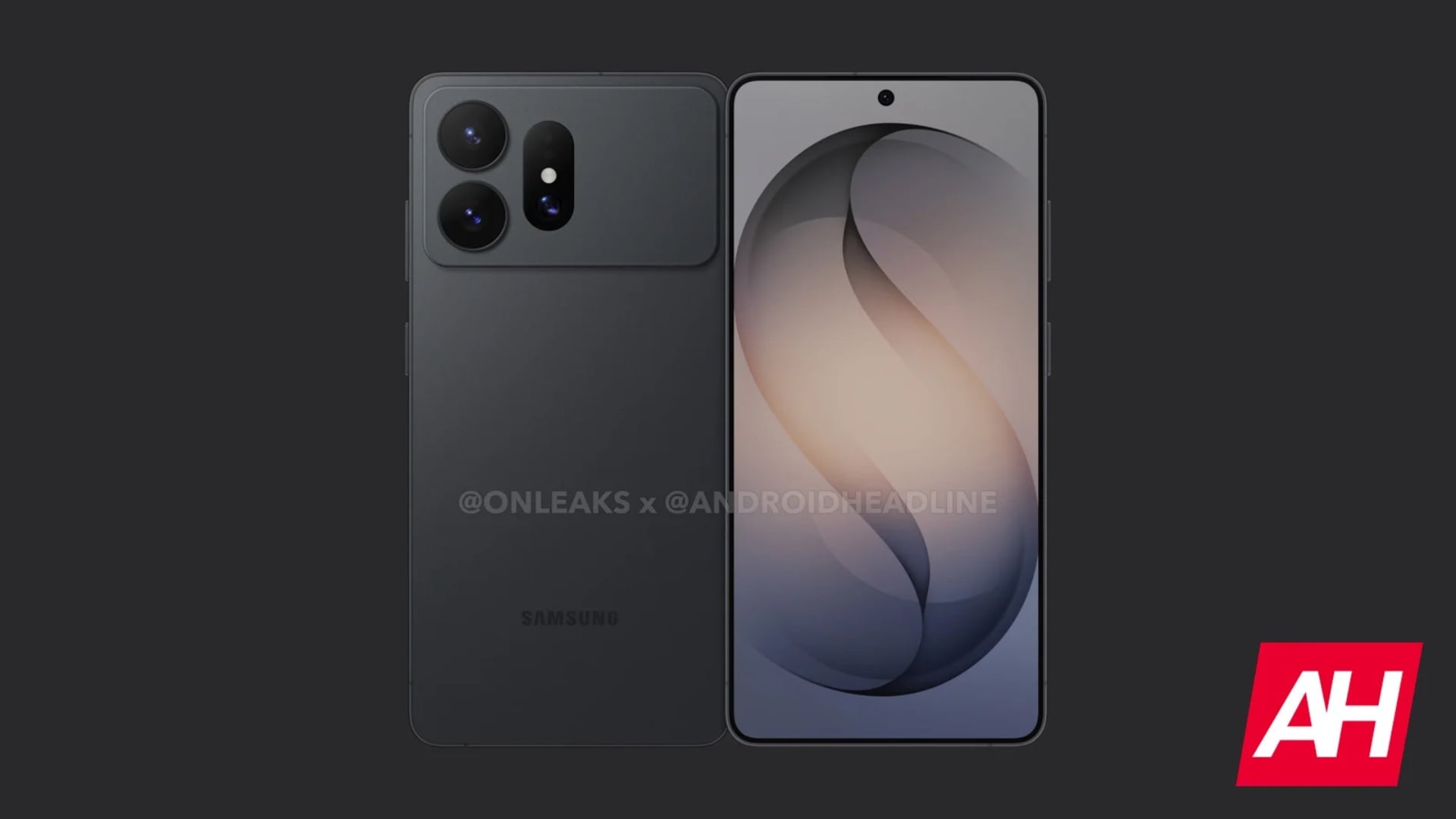
This new camera bump design remains the primary source of frustration among fans sharing their thoughts online, but is the Galaxy S27 Ultra really in as bad a spot as the critics claim?
Potential Benefits of the Galaxy S27 Ultra's Camera Redesign
Aesthetics are heavily subjective, so whether you personally appreciate the rumored look of the Galaxy S27 Ultra is entirely up to your personal taste.
We will not attempt to convince you that the phone looks a specific way, but we do want to approach Samsung's upcoming design shift from a much more objective angle. Let us temporarily set aside surface-level looks and try to answer one critical question:
What practical benefits could the Galaxy S27 Ultra's wide camera housing actually bring to daily use?
For starters, if Samsung decides to borrow ideas popularized by competitors, it could utilize the expansive camera island to house crucial internal hardware components. If true, users could enjoy improved device performance, enhanced thermal management, and superior cooling capabilities.
However, whether the camera housing will serve this specific engineering function remains anyone's guess at this stage. For all we currently know, the entire camera module could simply be an elevated architectural element on the back of the device.
This brings us to the most obvious and welcome practical benefit of the Galaxy S27 Ultra camera redesign: a smartphone that does not wobble awkwardly, or at all, when resting flat on your desk or tabletop.
Everyone is familiar with this modern tech annoyance, especially if you prefer using your phone naked without a thick protective case. Some of Samsung's previous camera housing layouts were so prominent and lopsided that flagship Galaxy phones could never sit flush on a flat surface. It becomes a frustrating nuisance whenever you try tapping notification widgets on the screen without physically picking the device up.
The issue varies across different models. Samsung's foldable lineup, such as the Galaxy Z Fold series, often suffers heavily from uneven weight distribution. Not only do they feature thick camera assemblies, but their compact form factors amplify the rock-and-roll wobble effect on desks.
Say what you want about the leaked Galaxy S27 Ultra aesthetics, but the phone might finally put a definitive end to unwanted desk wobbliness. If the individual camera rings do not protrude wildly from an asymmetric corner, a balanced rectangular housing can securely support the entire upper half of the body.
The Galaxy S27 Ultra May Spark a Design Revolution
Ultimately, while early Galaxy S27 Ultra renders have left some brand loyalists disappointed, the outcry stems purely from initial visual impressions.
There is a strong possibility that users currently on the fence about the camera island will grow to appreciate its immense practical benefits once they experience it firsthand. More importantly, the Ultra model will not be standing alone in this design philosophy.
Rumors suggest that the upcoming Galaxy S27 Pro will also adopt a similar wide camera housing layout, offering a cohesive user experience across the flagship tier. If this redesign proves successful with consumers, it could easily be implemented into future form factors where stability matters most.
We might genuinely be witnessing the dawn of a fresh design chapter for Samsung's ecosystem. Only time will tell how the market reacts upon official release.
As usual, we will continue tracking upcoming leaks while reserving our definitive judgment for hands-on reviews and thorough editorials. We will definitely attend upcoming launch events to share our expert thoughts on the redesigned camera setup.
Why are users complaining about the leaked Galaxy S27 Ultra design?
Most criticisms focus strictly on the visual aesthetics of the newly rumored horizontal camera island, as fans are accustomed to the older isolated vertical lens layout.
Will the new camera housing completely eliminate desk wobble?
By distributing the weight and physical contact points horizontally across the upper rear chassis, the phone can rest much more stably on flat surfaces without rocking back and forth.
Could the camera island house internal hardware components?
Yes, expanding the housing footprint opens up architectural space that manufacturers can leverage to improve thermal cooling, processor efficiency, and internal antenna placement.
Which other devices might follow this design trend?
Industry insiders indicate that the Galaxy S27 Pro and future foldable iterations may adopt similar horizontal camera structures for improved balance and functionality.
🔎 Ultimately, while early visual impressions can be polarizing, practical ergonomic upgrades like improved stability and smarter internal spacing often prove their true value during everyday use, proving that functionality and bold design can successfully coexist in next-generation flagships.
Post a Comment