
Samsung Increases Prices Across Budget and Mid-Range Galaxy Smartphones in the United States
Smartphone pricing has experienced significant upward adjustments across the market. Following recent price increases applied to flagship devices such as the Galaxy S26, Samsung has now revised pricing upward for its more affordable lineup in the United States, including popular options like the Galaxy A17 5G and the Galaxy A57.
- ✨ Samsung has officially raised prices on its budget and mid-range smartphone lineup in the United States following earlier flagship price adjustments.
- ✨ Entry-level models like the Galaxy A17 5G have seen cumulative increases bringing its retail price to $270.
- ✨ Mid-tier devices including the Galaxy A27, Galaxy A37, and Galaxy A57 now command higher price tags, peaking at $600 for the mid-range series.
- ✨ Escalating global component costs, particularly for RAM and flash storage driven by artificial intelligence infrastructure demand, are the primary drivers.
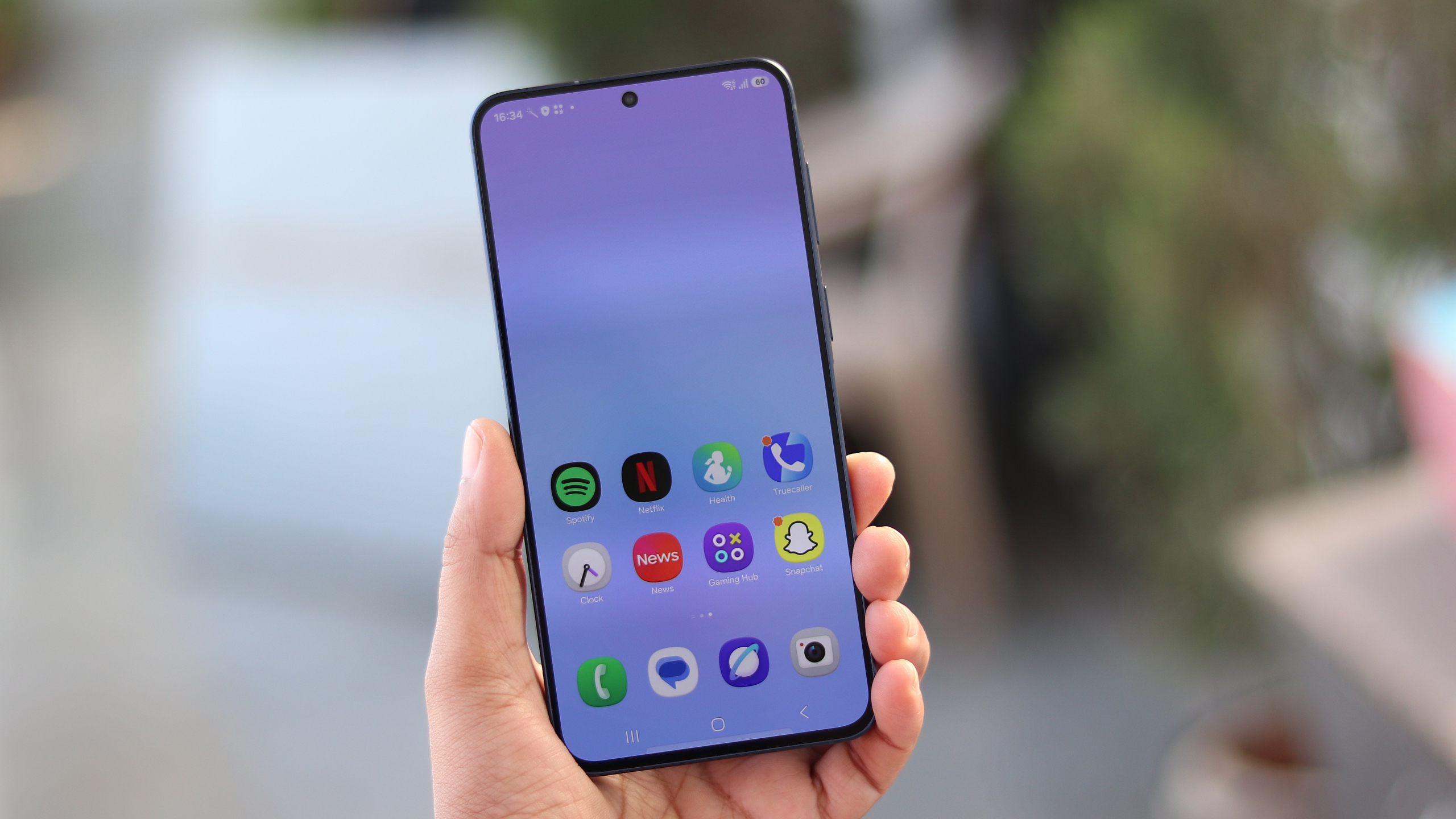
Higher Price Tags for Budget and Mid-Range Samsung Phones
Purchasing consumer electronics and mobile devices has become noticeably costlier. Following adjustments made to high-end hardware like the Galaxy S26, the manufacturer has systematically updated prices for its value-oriented portfolio stateside.
The Galaxy A17 5G, serving as Samsung's most accessible smartphone option in the US market, originally debuted at $200. Following multiple subsequent retail adjustments, the device now lists for $270. Similarly, the Galaxy A27 has climbed to $380, representing a $30 increase over its $350 launch MSRP. Meanwhile, the Galaxy A37—initially introduced at $450—is currently listed on Samsung's official web store for $490.
The Galaxy A57, positioned as the company's leading premium mid-range offering, is now priced at $600. It initially arrived earlier in the year at $550, which itself represented a $50 premium over its predecessor, the Galaxy A56. Historically, a $600 budget would secure a device from the flagship Galaxy S series, such as the Galaxy S23 FE.
Understanding the Rising Cost of Consumer Electronics
Consumers tracking these shifts often wonder why hardware prices continue to escalate. The core factor stems from rising component production expenses. Specifically, the market prices for essential hardware components like DRAM and NAND flash storage chips—found in virtually every modern smart device—have multiplied significantly over recent years due to massive, ongoing demands from artificial intelligence data centers.
Why are Samsung's budget phone prices increasing in the US?
Samsung has adjusted pricing upward due to escalating global manufacturing expenses and rising costs associated with essential internal component parts.
What is the current price of the Galaxy A17 5G?
After successive price adjustments following its initial launch at $200, the device now retails for $270 in the United States.
How much does the Galaxy A57 cost now?
The premium mid-range Galaxy A57 is priced at $600, following an earlier launch price of $550.
What components are driving up the cost of electronics?
Surging demand for RAM and NAND flash storage chips from enterprise AI data centers has driven up overall component manufacturing costs.
Will smartphone prices decrease anytime soon?
Industry indicators suggest that persistent component demands will keep pricing elevated for the foreseeable future.
🔎 Ultimately, these ongoing structural adjustments across the technology sector highlight how broader supply chain pressures and specialized data center demands directly influence everyday consumer hardware pricing, indicating that affordable mobile devices will likely maintain higher price points moving forward.
Post a Comment