
Samsung’s Galaxy S26 Price Hikes Serve as a Warning Sign for Future Galaxy S27 Buyers
Recent market adjustments have forced Samsung to increase the retail pricing of its flagship devices, leaving many consumers concerned about upcoming releases. As production costs rise due to constraints in the memory market, early buyers are already feeling the financial impact, suggesting that future upgrades might come with an even heavier price tag.
- ✨ Samsung implemented unexpected price increases on the Galaxy S26 series months after its initial launch.
- ✨ Industry analysts suggest these cost adjustments point toward an even more expensive Galaxy S27 lineup.
- ✨ Surging memory component costs are primarily driving these continuous global price spikes.
- ✨ Savvy shoppers are rushing to secure current-gen flagships to avoid paying higher premiums next year.
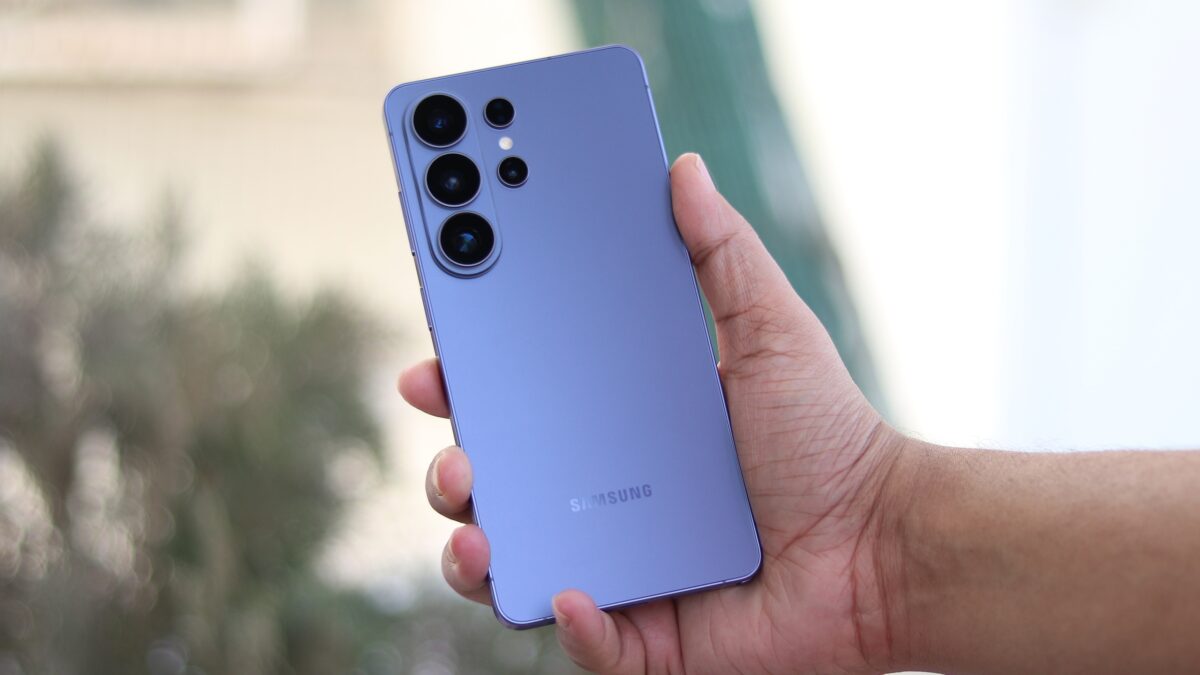
What the Galaxy S26 Price Adjustments Mean for the Market
As you have likely heard across tech circles, the memory market recently compelled Samsung to increase prices across the Galaxy S26 flagship trio. This unexpected shift presents a concerning indicator for enthusiasts who are holding out for 2027 and planning to purchase the upcoming Galaxy S27.
Typically, smartphone manufacturers factor necessary price modifications directly into their initial product rollouts. Consequently, market observers already anticipated that the Galaxy S27 would carry a heftier price tag due to ongoing component shortages. However, introducing mid-cycle price hikes for the Galaxy S26 lineup eight months post-launch caught the industry completely off guard.
It remains uncertain whether future models will inherit these updated baselines or scale past them entirely. Regardless of the outcome, this pricing trajectory may inadvertently boost the adoption rate for the current generation before the next iteration arrives.
Could the Galaxy S26 Become a Major Holiday Best-Seller?
We have observed similar buying patterns in previous product cycles. Earlier this summer, the Galaxy S26 series experienced a sharp surge in market demand. While part of this enthusiasm stems from the stellar hardware design and performance, another driving force was at play.
Many consumers rushed to purchase devices out of fear of severe price increases for upcoming releases, preferring to lock in current rates rather than gamble on future costs.
For buyers prioritizing value and long-term savings, securing a brand-new device right now might be the smartest financial move. Even with recent adjustments, finding a discounted unit across local retail channels remains entirely possible
Why did Samsung increase the prices of the Galaxy S26 series mid-cycle?
Severe pressures and growing costs within the global memory component market left manufacturers with little choice but to adjust retail pricing well after the initial launch window.
Will the upcoming Galaxy S27 cost significantly more?
While official launch figures are not yet confirmed, current market trends strongly suggest that next-generation flagships will either inherit these higher baselines or introduce further cost increases.
Is it still a good time to purchase a current-generation flagship?
Yes, buying now allows consumers to bypass potential future price hikes while taking advantage of promotional discounts available through official retail and online stores.
How did consumers react to these sudden market adjustments?
Many tech enthusiasts accelerated their upgrade timelines, leading to unexpected sales spikes during the summer months as buyers sought to avoid future hardware inflation.
🔎 Ultimately, Samsung's decision to alter pricing long after a product's debut highlights the fragile state of global hardware manufacturing economics. As component expenses continue to fluctuate, consumers must weigh the benefits of immediate upgrades against the escalating costs of future technology releases.
Post a Comment