
Symmetry vs. Asymmetry: Why the Galaxy Z Fold 8 Outshines the iPhone Duo
Quick Summary: Apple's entry into the foldable market has highlighted a major debate between symmetrical and asymmetrical screen designs. While the iPhone Duo leans toward a flashy approach, the Samsung Galaxy Z Fold 8 provides a practical, highly optimized, and ambidextrous design formula that ultimately delivers a superior user experience.
Apple's first foldable phone has effectively split the foldable device market between models featuring symmetrical and asymmetrical cover screens. While the new Samsung Galaxy Z Fold 8 embraces symmetry, the Apple iPhone Duo opts for an asymmetrical approach. But which design philosophy is genuinely better for everyday users?
- ✨ The Galaxy Z Fold 8 features a fully symmetrical cover screen optimized for universal comfort.
- ✨ Left-handed users may encounter usability hurdles with the asymmetrical design of the iPhone Duo.
- ✨ Samsung bridges the design language seamlessly between Galaxy smartphones and tablets.
- ✨ Symmetry ensures better hardware and software consistency across folded and unfolded modes.
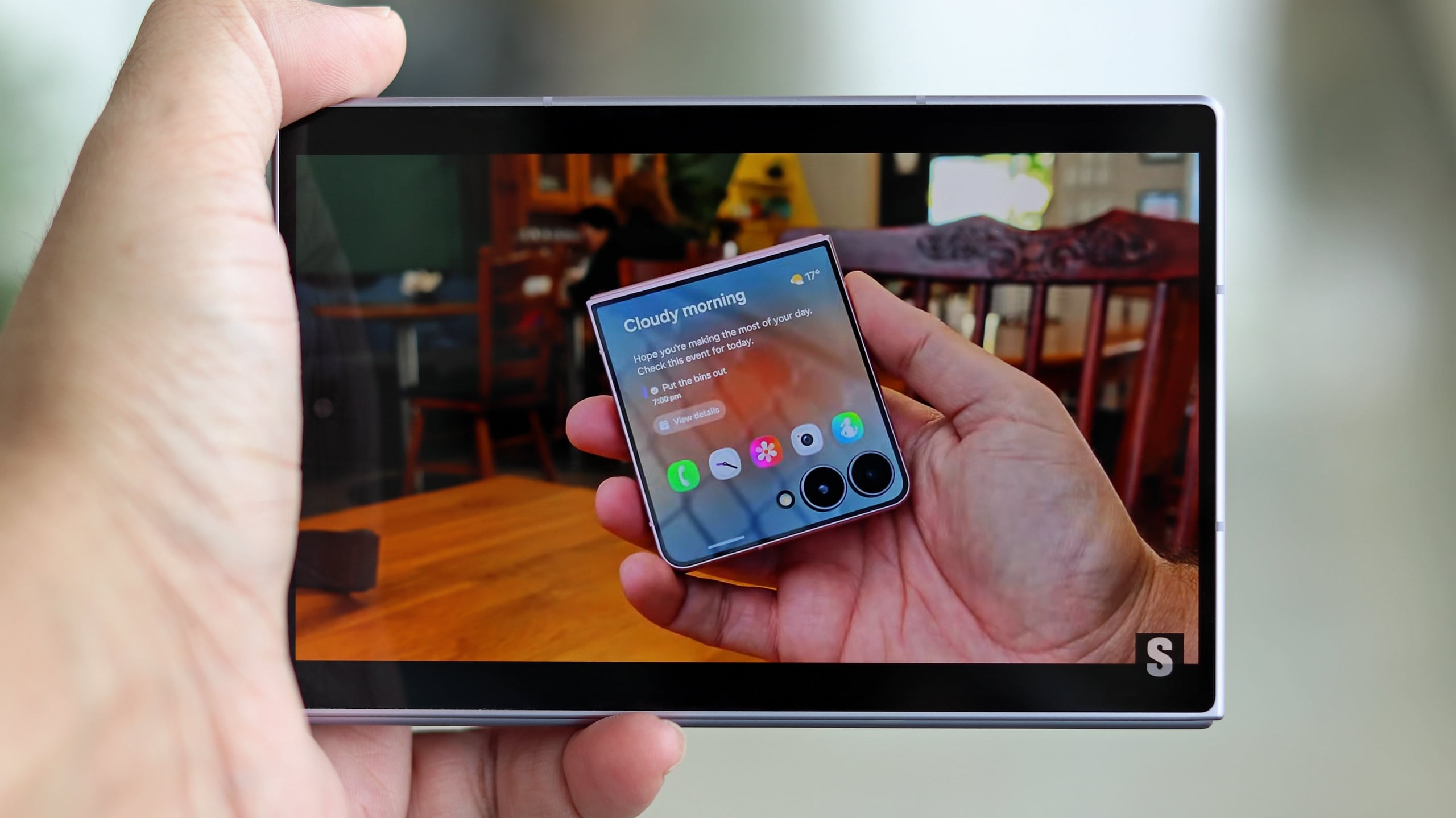
How Each Brand Approaches Foldable Design Differently
Both the Fold and the iPhone Duo function as hybrid phone-tablet devices, but the engineering choices made by Samsung and Apple reveal distinct priorities regarding device ergonomics and category familiarity.
Through its Galaxy Z Fold series, Samsung aimed to establish a reliable, familiar experience for existing users of Galaxy smartphones and tablets. Balancing these two form factors is notoriously difficult due to their contrasting dimensions, yet the Galaxy Z Fold 8 achieves this balance remarkably well.
Samsung ultimately settled on a formula characterized by symmetry and sharp corners on both the cover and main displays, catering directly to fans of square-cornered devices.
This choice intentionally satisfies loyal users of the Galaxy Note and Galaxy S Ultra series who prefer sharper edges, alongside Galaxy Tab enthusiasts looking for a compact, foldable tablet experience.
Apple faced a different design challenge. None of its standard modern iPhones feature sharp or square display corners, placing iPads somewhere in the middle of their design ecosystem.
Consequently, Apple had limited alternatives if it wanted a foldable iPhone that visually matched the rest of its hardware lineup, short of adopting the approach seen in Google's Pixel Fold series.
Ultimately, Apple adopted an asymmetrical layout for the iPhone Duo as a functional compromise, leaning closer to the iPad's geometry even if it diverged from traditional iPhone ergonomics.
Why Symmetry Remains Essential for Modern Foldables
Admittedly, the iPhone Duo cuts a striking figure and might grab more attention at first glance. It even manages a few specific tasks differently than the Fold 8.
However, choosing an asymmetrical design introduces hidden drawbacks that matter far more once the initial marketing hype fades.
Apple's primary compromise with the asymmetric iPhone Duo is its disregard for ambidextrous handling. This limitation extends directly into the software interface, where Apple engineered a unique on-screen control surface exclusively for the device.
Features like the home screen app dock aim to make the asymmetrical cover screen more practical, bridging unusual hardware with custom software. While clever in theory, it introduces clear functional limitations.
The resulting interface feels restricted because it was tailored predominantly—or entirely—around right-handed users, which is surprising for a company typically known for accessibility and inclusion.
While Samsung's foldables aren't completely ambidextrous due to the placement of the side-mounted fingerprint scanner, the inconvenience is minor.
In contrast, the symmetrical design of the Galaxy Z Fold 8 offers several distinct advantages:
- A balanced, symmetrical cover screen layout.
- No restrictive user interfaces that alienate left-handed operators.
- Seamless visual consistency between folded and unfolded states.
- Harmonious integration with traditional Galaxy smartphones and tablets.
Although the iPhone Duo stands out visually, it fails to provide a more refined foldable form factor than the Fold 8. While Samsung's device still shows room for improvement in areas like speaker positioning and camera housing design, the iPhone Duo can sometimes feel experimental and unpolished due to its ergonomic limitations.
Apple's foldable is undeniably eye-catching, and Samsung could certainly learn a few lessons from their execution—especially since software updates could theoretically improve one-handed and left-hand usability on the iPhone Duo over time.
Nevertheless, as the excitement surrounding competing devices settles, the distinct advantage of Samsung's refined design philosophy becomes hard to ignore.
Hopefully, Samsung will continue refining the Galaxy Z Fold blueprint with better speaker layouts and sleeker camera modules. Symmetry proves time and again to be the most reliable foundation for foldable hardware, and maintaining this course will serve Samsung well in the long run.
Why is symmetry important for the Galaxy Z Fold 8?
Symmetry ensures that the phone feels natural and balanced to use regardless of whether you are right-handed or left-handed, delivering a consistent experience across both folded and unfolded states.
How does the iPhone Duo design differ from Samsung foldables?
The iPhone Duo relies on an asymmetrical cover screen design and a specialized interface geared primarily toward right-handed users, whereas Samsung prioritizes a balanced, symmetrical form factor.
Does the Galaxy Z Fold 8 support left-handed users better?
Yes, the symmetrical layout of the Fold 8 avoids awkward interface placements, making it much more comfortable for left-handed users compared to heavily asymmetric competitors.
What improvements could Samsung make to future foldables?
While the form factor is highly optimized, future iterations can benefit from refined camera module designs and better speaker positioning to enhance multimedia consumption.
🔎 Ultimately, while flashy alternative designs will always capture attention in the mobile market, Samsung's commitment to balanced engineering and symmetrical usability proves that practical comfort and long-term ergonomics will always win the day.
Post a Comment