
Why Apple's iPhone Duo Launch Proves Blind Arrogance Beats Fierce Leadership
We all know that Apple has always carried an aura of superiority. In some cases, that confidence was well-earned. However, the level of arrogance Apple has recently displayed may be entirely unprecedented, and it is already beginning to hurt the company in the marketplace.
- ✨ Apple entered the foldable phone market seven years after Samsung with the new iPhone Duo.
- ✨ Critical flaws, such as exposed internal components in partial folds and hinge manufacturing defects, have heavily criticized the device.
- ✨ Apple CEO John Ternus dismissed early foldable technology as "cheap and crappy," seemingly ignoring past lessons learned by competitors.
- ✨ Rather than showing fierce leadership, Apple's oversight highlights a dangerous reliance on blind arrogance over proven engineering history.
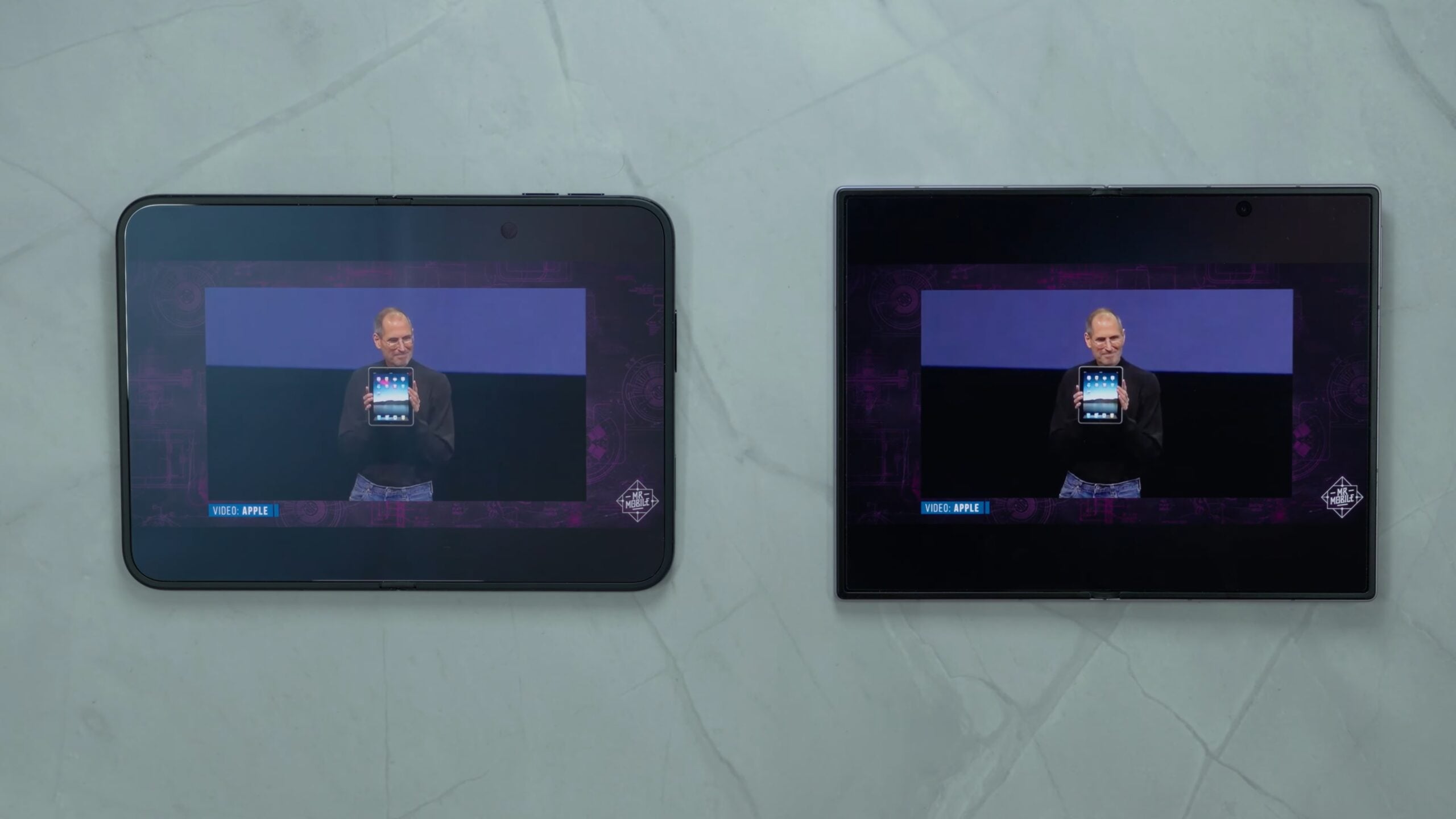
Why should anyone care? Only because Apple's arrogance might unnecessarily put foldable display technology at risk. Only because Apple's hubris is casting a negative light on foldable technology as a whole, when these are entirely problems of Apple's own making.
Apple Needs a Healthy Dose of Humility
As you likely know, Apple finally entered the foldable phone market seven years after Samsung. The brand-new iPhone Duo foldable phone looks unique and interesting. But it has faced intense criticism—at least from those who do not blindly follow the brand—for an undercooked software experience, a nonsensical permanent dock, and, worst of all, a manufacturing defect that breaks the foldable screen.
Okay, so things do not always go according to plan. Why call Apple arrogant? Is it because the company reportedly cut corners on Quality Assurance for the iPhone Duo?
It is actually a combination of factors. Consider this historical timeline:
- ✨ Samsung begins flexible OLED development around 2008.
- ✨ Samsung debuts the original Galaxy Fold in 2019.
- ✨ Other original equipment manufacturers (OEMs) join the market in subsequent years.
- ✨ Samsung improves its foldable display and hinge technology year after year.
- ✨ Apple finally announces the iPhone Duo in 2026.
- ✨ Apple's new CEO, John Ternus, almost dismisses those pioneering efforts, describing early foldable phones as feeling “kind of cheap and crappy.”
In other words, Apple acts as though it does not care about those old innovations, and implies you shouldn't either, because the “superior„ iPhone Duo has finally arrived.
Ironically, Apple's expensive iPhone Duo exhibits downright embarrassing points of failure that other foldable OEMs fixed years ago.
One of the best examples is the dust protection caps Samsung has utilized in its Galaxy Fold lineup since 2019.
The original Galaxy Fold, which Samsung wisely released in limited quantities unlike Apple, lacked dust caps at the hinge extremities. This design oversight allowed debris to enter the housing and damage the screen from within.
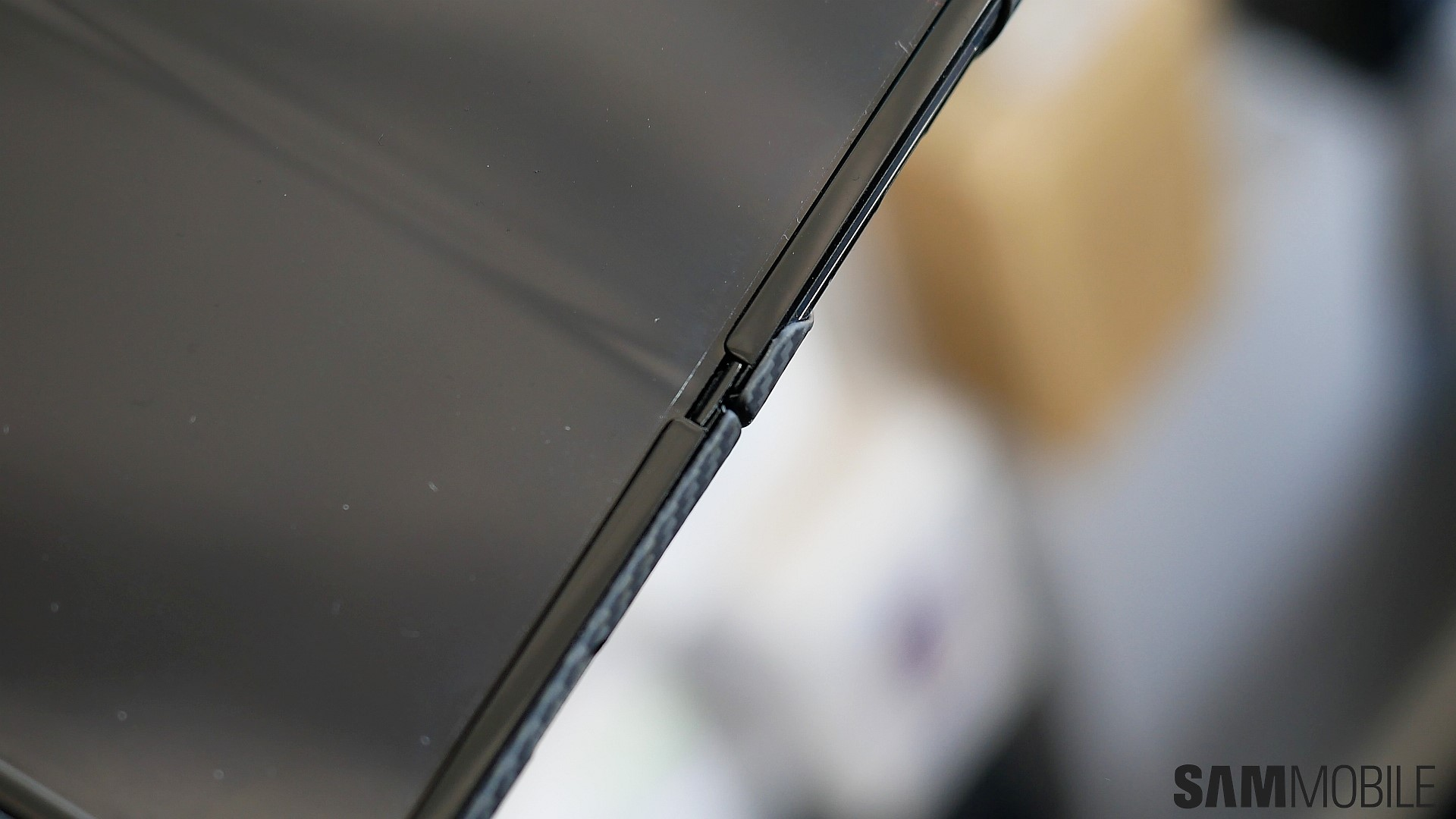
Samsung quickly learned from its mistakes, temporarily recalled the device, and incorporated protective dust caps before putting it back on sale. You can spot these T-shaped caps in the image below.
Simply put, the company took responsibility, resolved the issue, and moved forward, continuing to refine the design annually.

Funnily enough, Apple's first iPhone Duo features its own dust caps, but it appears Apple completely ignored the lessons Samsung learned long ago.
The hinge dust caps on the iPhone Duo look flatter when the device is fully unfolded, providing a more aesthetically pleasing appearance. However, they suffer from a critical flaw: they expose internal components when the phone is partially folded, leaving enough clearance for alarmingly large particles to enter the device.
That IP68 water and dust resistance rating feels rather meaningless now, doesn't it? Take a look at the social media post below.
New issue with the iPhone Duo 👀👇
When the iPhone Duo is half-open, you can see its internal structure from the side.
Does this gap affect its dust resistance??? https://t.co/OGknfcCE64
— adiii (@adiicodess) October 28, 2026
Arguably, Apple has failed to learn much from its competitors over the years. That truly feels like arrogance, especially when considering that those early foldable phones—which Mr. Ternus dismissed as “cheap and crappy” during a TIME interview—had already overcome many of the exact design hurdles Apple is stumbling over right now.
It seems Apple ignored the historical lessons of its peers under the assumption that it could inherently engineer a superior product by default. As it turns out, the exact opposite has happened.
Ironically, the same interview where John Ternus criticized early foldables also highlighted how Apple's leadership gave the design team “the confidence to really push the boundaries of innovation and manufacturing.”
This raises an important question: how can Apple push the boundaries of innovation when it ignored foundational lessons learned by others years prior? Does Apple truly believe it is above those early attempts without even trying to study them? That sounds a lot more like blind arrogance than true corporate leadership.
Given how messy the launch of the iPhone Duo has been, we should be thankful Apple wasn't the company to release the world's first foldable phone back in 2019. It could have resulted in an even greater disaster, potentially bringing the development of all foldable mobile technology to a grinding halt.
Meanwhile, Samsung pioneered the technology, brought it to market in 2019, learned from its mistakes, improved the hardware every single year, and consistently proved its critics wrong. We are lucky Samsung paved the way first.
Why did Apple take so long to release a foldable phone?
Apple waited seven years after Samsung's initial foldable release to enter the market, reportedly focusing on perfecting its hardware design and ecosystem integration before launching the iPhone Duo.
What are the main hardware issues facing the iPhone Duo?
The iPhone Duo has faced heavy criticism for manufacturing defects that break the foldable screen, as well as hinge dust caps that leave gaps exposing internal components when the device is partially folded.
How do Samsung's foldable dust caps differ from Apple's design?
Samsung implemented protective T-shaped dust stoppers at the hinge ends following its initial 2019 recall to prevent debris from entering, whereas Apple prioritized a flatter aesthetic that unfortunately leaves functional gaps in half-open states.
🔎 In conclusion, the rocky introduction of Apple's first foldable device demonstrates that ignoring industry precedent in favor of corporate hubris rarely pays off. True leadership requires respecting the engineering milestones of those who came before, ensuring that innovation builds upon past wisdom rather than repeating historical mistakes.
Post a Comment