
Why Apple's iPhone Duo Nano Texture Screen is Facing Backlash While Samsung Celebrates
TL;DR
- ✨ Apple’s iPhone Duo features a Nano Texture display finish designed to minimize glare, but real-world tests indicate that Samsung’s Galaxy Z Fold 8 delivers superior visual clarity.
- ✨ Growing online criticism regarding the iPhone Duo display gave Samsung an opening to post a witty and viral response on social media.
- ✨ While the Nano Texture coating diffuses reflections, it can introduce unwanted blurriness, reduce contrast, and prove more difficult to clean and maintain over time.
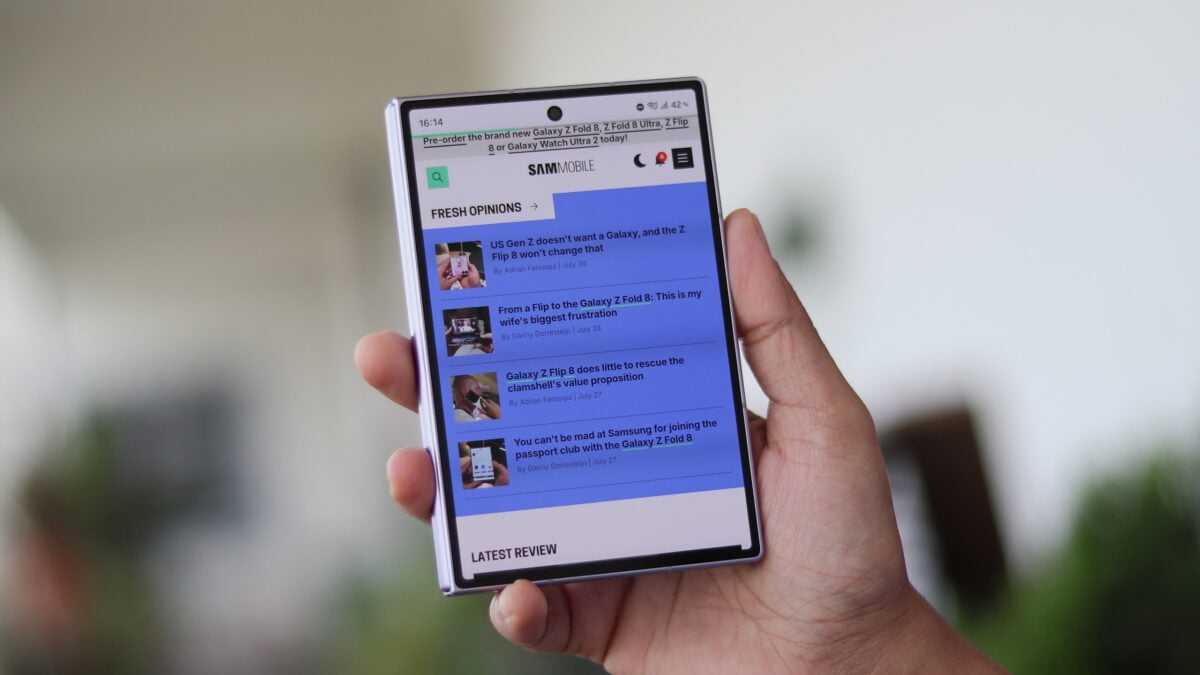
The Challenges of Apple's Late Entry Into the Foldable Market
Entering the foldable phone market eight years behind the competition means proving your product is worth the wait. Apple spared no effort to ensure the iPhone Duo made a powerful impression, pushing boundaries because it had to catch up to established pioneers.
However, critics are beginning to question whether Apple pushed its design choices too far just to make a statement. Samsung quickly noticed mounting user frustrations across social media platforms and seized the opportunity to boost its brand presence among disappointed Apple customers.
A recent test conducted by TechDroider compared the anti-reflective properties of the iPhone Duo and the Samsung Galaxy Z Fold 8 side by side. Despite Apple's innovative claims, the Galaxy Z Fold 8 emerged as the clear winner in glare reduction. This prompted Samsung Mobile U.S. to post a clever reply on X: Thanks for shedding some light on this 😎.
@techdroider Thanks for shedding some light on this 😎
— Samsung Mobile US (@SamsungMobileUS) October 23, 2026
Why Does the iPhone Duo Screen Fall Short of Expectations?
When Apple finally unveiled the iPhone Duo years after Samsung established the foldable segment, leadership sought to establish dominance immediately. In an interview with TIME, CEO John Ternus boldly dismissed existing foldable devices, describing them as feeling “kind of cheap and crappy.”
Unfortunately, those remarks have aged poorly, particularly after the iPhone Duo struggled in independent drop and durability tests that the Galaxy Z Fold 8 passed successfully.
To mask the dreaded central screen crease better than rivals, Apple introduced its proprietary Nano Texture display finish to the iPhone lineup for the very first time on the Duo.
Understanding Apple's Nano Texture Display Technology
Nano Texture refers to a specialized glass-etching process. The panel features microscopic surface ridges designed to scatter ambient light rather than reflect it directly. Instead of sharp mirror-like reflections, light hitting a Nano Texture screen diffuses across a broader gradient.
The concept works well in controlled environments, which explains why Nano Texture has built a loyal following among MacBook and Pro Display XDR users. In a static office workspace where lighting cannot easily be adjusted, diffusing glare proves helpful.
Yet, there is a reason Apple never brought Nano Texture to standard iPhones before, or why desktop and iPad users can choose between glossy and textured finishes. iPhone Duo buyers do not get a choice; it is Nano Texture or nothing.
Early adopters are finding that this lack of choice backfires. When exposed to bright, direct light sources, the iPhone Duo's textured surface diffuses excessive light, producing a hazy, washed-out image that lacks the deep contrast and crisp clarity of the Galaxy Z Fold 8.
Additional drawbacks associated with the iPhone Duo's Nano Texture coating include:
- A permanently softened, slightly blurred visual presentation regardless of ambient lighting conditions, forcing users to weigh pros and cons.
- Increased difficulty in routine cleaning and maintenance compared to standard glossy glass. Furthermore, Apple charges more than Samsung for replacement screen films.
Samsung's Manufacturing Experience Highlights Apple's Missteps
Ultimately, the internal screen of the Galaxy Z Fold 8 offers superior performance, and brave users who removed the Nano Texture layer on the iPhone Duo discovered an underlying display that appears much flatter.
Samsung holds a strong competitive advantage, particularly given the bumpy and delayed iPhone Duo launch across international markets.
Given Samsung's years of expertise in foldable screen manufacturing, the Korean tech giant likely anticipated these optical hurdles long before Apple attempted to implement them.
Ironically, Samsung Display manufactures the actual foldable panel used in the iPhone Duo, but the Nano Texture finish that has drawn mixed reactions was entirely Apple's design decision.
Browse the latest Galaxy Z Fold 8 offers
Why did Apple use Nano Texture on the iPhone Duo?
Apple implemented Nano Texture to help mitigate reflections and disguise the central crease on the foldable display.
How does the Galaxy Z Fold 8 screen compare?
Independent tests and side-by-side comparisons show that the Galaxy Z Fold 8 provides significantly better anti-reflection performance, higher contrast, and sharper image clarity.
Can buyers choose a glossy finish instead?
Unlike MacBooks or monitors where users can choose between glossy and textured glass, iPhone Duo buyers do not have an alternative display finish option.
Who manufactures the iPhone Duo display panel?
Samsung Display produces the physical foldable hardware for the iPhone Duo, though the Nano Texture coating concept belongs exclusively to Apple.
🔎 As the foldable smartphone market continues to mature, engineering choices face intense public scrutiny. While Apple tried to innovate with display finishes, practical limitations have opened the door for competitors like Samsung to reinforce their industry leadership through reliable, refined hardware.
Post a Comment