
Why Samsung Must Double Down on Its Strategic Bet on 82 Million US Galaxy Devices
Samsung's recent integration of stablecoin support for millions of US Galaxy owners is a calculated business move that the company urgently needs to expand upon as traditional smartphone sales face increasing pressure. This strategic shift represents far more than a simple software update; it is a blueprint for future monetization.
- ✨ Eligible US Galaxy device owners can soon purchase USDC and execute international transfers instantly using Samsung Wallet.
- ✨ Industry partners like Bastion and Coinbase handle regulated custody and execution risks while leveraging Samsung's massive distribution network.
- ✨ With mobile division revenues under pressure, monetizing the massive installed base of existing devices has become a top operational priority.
- ✨ This partnership model mirrors successful ventures like default search engine agreements, establishing a reliable alternative revenue stream.
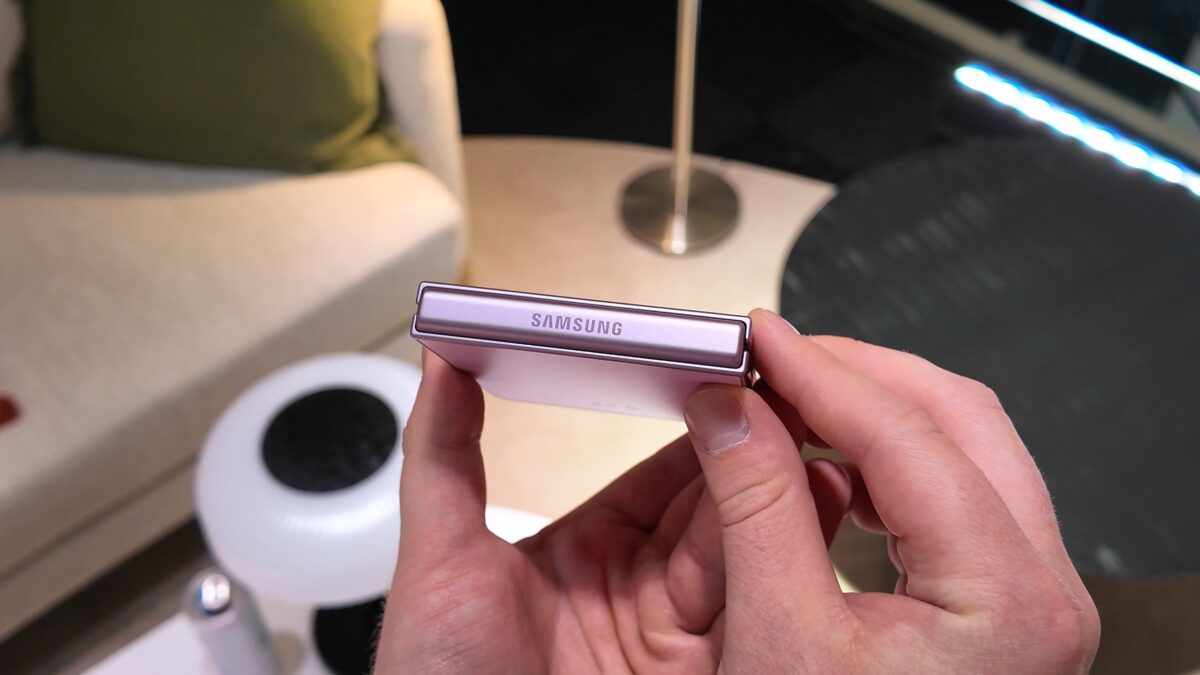
Leveraging Existing Hardware to Drive Revenue
Later this month, eligible Galaxy device owners in the United States will be able to open Samsung Wallet, buy USDC, and send it to a crypto wallet abroad in seconds. The same application will also allow users to transfer funds to bank accounts across more than 60 countries for a nominal fee, with recipients receiving the funds in their local currency.
Users do not need to install a separate cryptocurrency application or manage complex private keys. Samsung builds the interface, but its most valuable contribution to this financial ecosystem is the consumer holding the device.
Bastion serves as the licensed stablecoin custodian and infrastructure partner for this new financial functionality, while Coinbase acts as the crypto acquisition pipeline for the 82 million US Galaxy devices capable of running the application.
Samsung explicitly clarified in its official press release that it acts neither as a bank nor as a money transmitter. Instead, the company simply simplifies user access to advanced financial services powered by external partners through its native application.
Essentially, Samsung is leasing access to its massive base of 82 million eligible US Galaxy users without bearing any of the underlying financial execution risk.
Although exact details of the agreements struck with Bastion and Coinbase remain private, this business model is already well established. For instance, Samsung charges Google billions to remain the default search engine across its hardware lineup.
Adapting to Changing Mobile Market Realities
Now more than ever, Samsung's mobile division requires diversified revenue streams. Profit margins on hardware sales are tightening, and consecutive rounds of price increases have proven insufficient to offset market declines. The division lost approximately $500 million during the second quarter alone.
In an operating environment where newly sold hardware yields narrowing returns, the devices already active in consumers' pockets—and the willingness of service partners to pay for access to those users—must shoulder a greater financial burden.
Samsung has a long-standing history of establishing partnerships that shift execution risks onto dedicated service providers in exchange for entry into its vast customer ecosystem.
Prominent examples include Barclays issuing the Galaxy Card, SoFi managing the previous Samsung Money debit card program, and artificial intelligence tools like Perplexity and Gemini integrated directly into One UI. Now, Bastion and Coinbase take center stage as Galaxy devices embrace secure stablecoin utilities.
Samsung Wallet as a Blueprint for Future Partnerships
This commercial opportunity extends far beyond digital currencies. Galaxy smartphones can function as powerful gateways to supplementary payment networks, comprehensive financial services, advanced AI tools, recurring subscriptions, and other third-party offerings.
Samsung has successfully cultivated a massive hardware footprint and an enviable global distribution network. The company can easily position new products and services in front of hundreds of millions of users whenever mutually beneficial commercial agreements are established.
Consequently, Samsung's enormous installed base represents a valuable corporate asset in its own right. Selling new Galaxy devices has become increasingly challenging amidst the current AI memory super cycle.
With the corporation already forced to reduce production targets by tens of millions of units, onboarding additional service partners provides a practical method to better monetize its existing customer base.
Naturally, there are practical boundaries to how far Samsung can push this monetization strategy. Service providers will only invest in platform access if Galaxy users actively engage with the features. Partners will not tolerate intrusive or overly aggressive commercial placements.
This is precisely why the execution model chosen for Samsung Wallet is so effective. It expertly blends third-party utility with just the right amount of distinct Samsung branding to achieve optimal consumer appeal.
This approach could serve as a viable growth engine for Samsung's mobile division moving forward, expanding beyond the United States into global markets where the company distributes hundreds of millions of devices annually.
Ultimately, Samsung does not need to transform into a traditional bank, a cryptocurrency exchange, or an AI chatbot provider. It simply needs to build the ultimate gateway connecting users to all three, securing its fair share of the generated economic value.
What new financial feature is coming to Samsung Wallet?
Eligible US Galaxy device owners will soon be able to purchase USDC, complete fast international crypto transfers, and send money directly to bank accounts across more than 60 countries.
Who are Samsung's partners for this stablecoin feature?
Bastion acts as the licensed stablecoin custodian and infrastructure partner, while Coinbase provides the crypto acquisition pipeline for compatible US devices.
Does Samsung act as a bank or money transmitter?
No, Samsung explicitly stated that it is neither a bank nor a money transmitter; it simply provides a secure application gateway powered by licensed external service providers.
Why is Samsung focusing on software and service partnerships?
With hardware margins and phone sales facing mounting pressure, monetizing the massive installed base of active Galaxy devices offers a reliable alternative revenue stream.
🔎 Expanding financial services and third-party integrations within the ecosystem allows Samsung to future-proof its mobile division, ensuring steady profitability and strong engagement across its global user base without taking on unnecessary operational risks.
Post a Comment