
Why Samsung Needs a Dedicated Smart Speaker for Its Smart Home Ecosystem
The world of smart home technology is currently dominated by four major platforms: Amazon Alexa, Apple Home, Google Home, and Samsung SmartThings. While Samsung boasts one of the most comprehensive hardware portfolios in the industry and was fastest to bring support for the latest version of Matter, it remains the only major player that does not offer a dedicated smart speaker to anchor its ecosystem.
Key Takeaways
- ✨ Samsung is the only leading smart home brand without a dedicated voice-controlled smart speaker.
- ✨ Voice commands offer a much faster, hands-free way to manage connected household devices than smartphones.
- ✨ A standalone Bixby speaker would provide an affordable entry point into Samsung's SmartThings ecosystem.
- ✨ Leveraging Harman audio technology could give Samsung a competitive edge in sound quality.
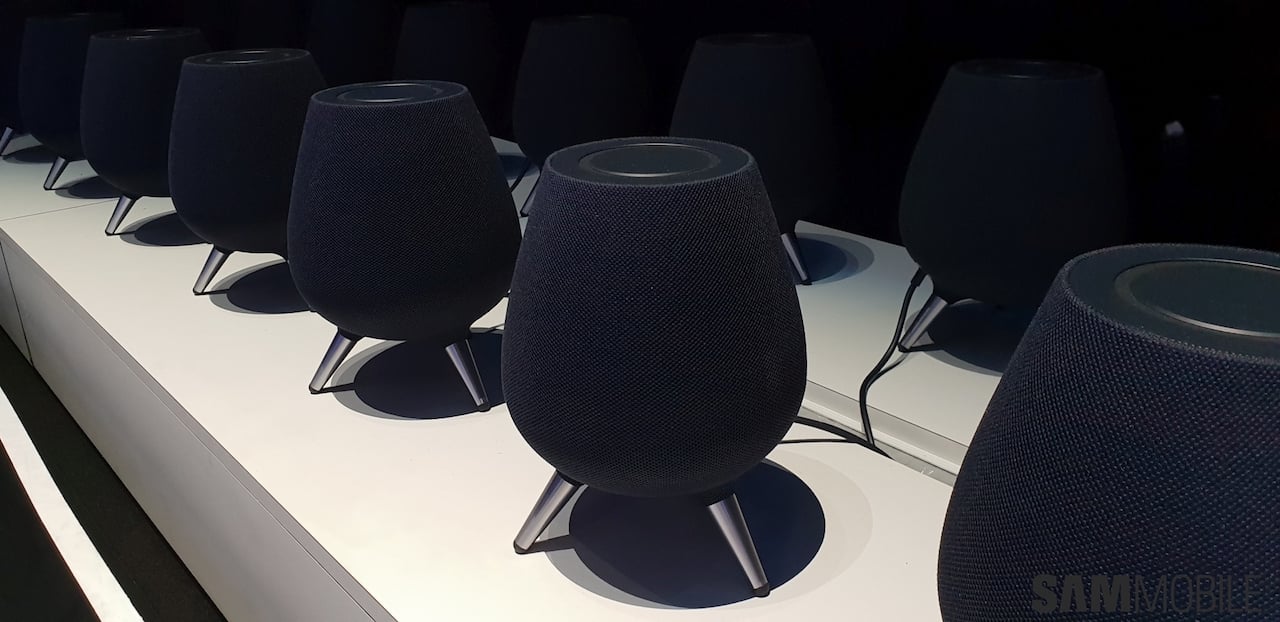
The Missing Link in Samsung's Smart Home Strategy
Amazon has its Echo line, Apple relies on the HomePod, and Google features the Nest speaker family. Following this industry standard, Samsung should seriously consider launching a dedicated Galaxy smart speaker. Voice commands represent one of the most frictionless methods for managing modern smart home setups. Instead of waking up a phone, navigating through menus, and unlocking the screen, users can simply speak out loud to adjust room lighting or control home climate systems.
Currently, Samsung restricts its AI voice assistant functionality primarily to flagship Galaxy smartphones, smart televisions, and high-end appliances, most of which carry steep price tags exceeding $200. This limitation creates an unnecessary financial barrier for consumers looking to build out a voice-activated smart home. Furthermore, dedicated smart speakers utilize advanced far-field microphones engineered explicitly to capture commands from across large rooms—something pocket-sized smartphones simply cannot achieve with the same level of reliability.
Unmatched Device Control and Audio Engineering
While platforms like Google Home and Amazon Alexa can link with SmartThings, third-party assistants often fail to support granular hardware controls. Bixby excels in this area, allowing users to customize specific settings—such as adjusting an air conditioner's precise wind direction—that rival ecosystems might overlook. With recent upgrades incorporating large language models (LLMs) and Perplexity integration for enhanced web searches, Bixby is more capable than ever before.
Additionally, through its subsidiary Harman, Samsung owns prestigious audio brands including Harman Kardon, JBL, and AKG. Harnessing this elite audio engineering expertise would allow Samsung to manufacture a smart speaker that delivers phenomenal sound performance, easily rivaling competing devices on the market today.
Why doesn't Samsung currently offer a dedicated smart speaker?
Although Samsung previously teased devices like the Galaxy Home, the company has heavily prioritized integrating voice assistant capabilities directly into its existing mobile devices, televisions, and smart home appliances.
How do far-field microphones improve smart speakers?
Far-field microphones are specifically designed to detect and process voice commands from a distance across an entire room, whereas smartphones require closer proximity and often need to be unlocked for security.
Can other voice assistants control Samsung SmartThings devices?
Yes, SmartThings integrates with third-party platforms like Amazon Alexa and Google Home, but competing assistants often lack support for advanced, device-specific appliance controls that Bixby handles effortlessly.
What role does Harman play in potential audio hardware?
Samsung's ownership of Harman grants access to industry-leading audio brands and acoustic engineering talent, enabling the creation of high-fidelity smart speakers that excel in music playback.
🔎 Ultimately, introducing a dedicated, Bixby-powered smart speaker would fill a glaring hole in Samsung's product lineup. It would democratize access to its voice assistant, deepen user engagement, and serve as the ultimate unifying centerpiece for the expansive SmartThings ecosystem.
Post a Comment