
Google Brings Quick Share Directly to Third-Party Android and iOS Apps
Wireless file sharing is set to become significantly smoother and more deeply integrated as Google expands its ecosystem capabilities. Moving beyond system-level menus, developers will soon be able to embed native sharing capabilities directly into their applications.
Summary of Key Updates
- ✨ Google announced a dedicated Quick Share SDK at the Android Dev Summit to bring wireless sharing natively to third-party apps.
- ✨ The upcoming SDK will eliminate the need for the full-screen system share menu by introducing a compact in-app sharing sheet.
- ✨ File transfers will feature end-to-end encryption, automated local hotspot configuration, and high-speed Wi-Fi Direct performance.
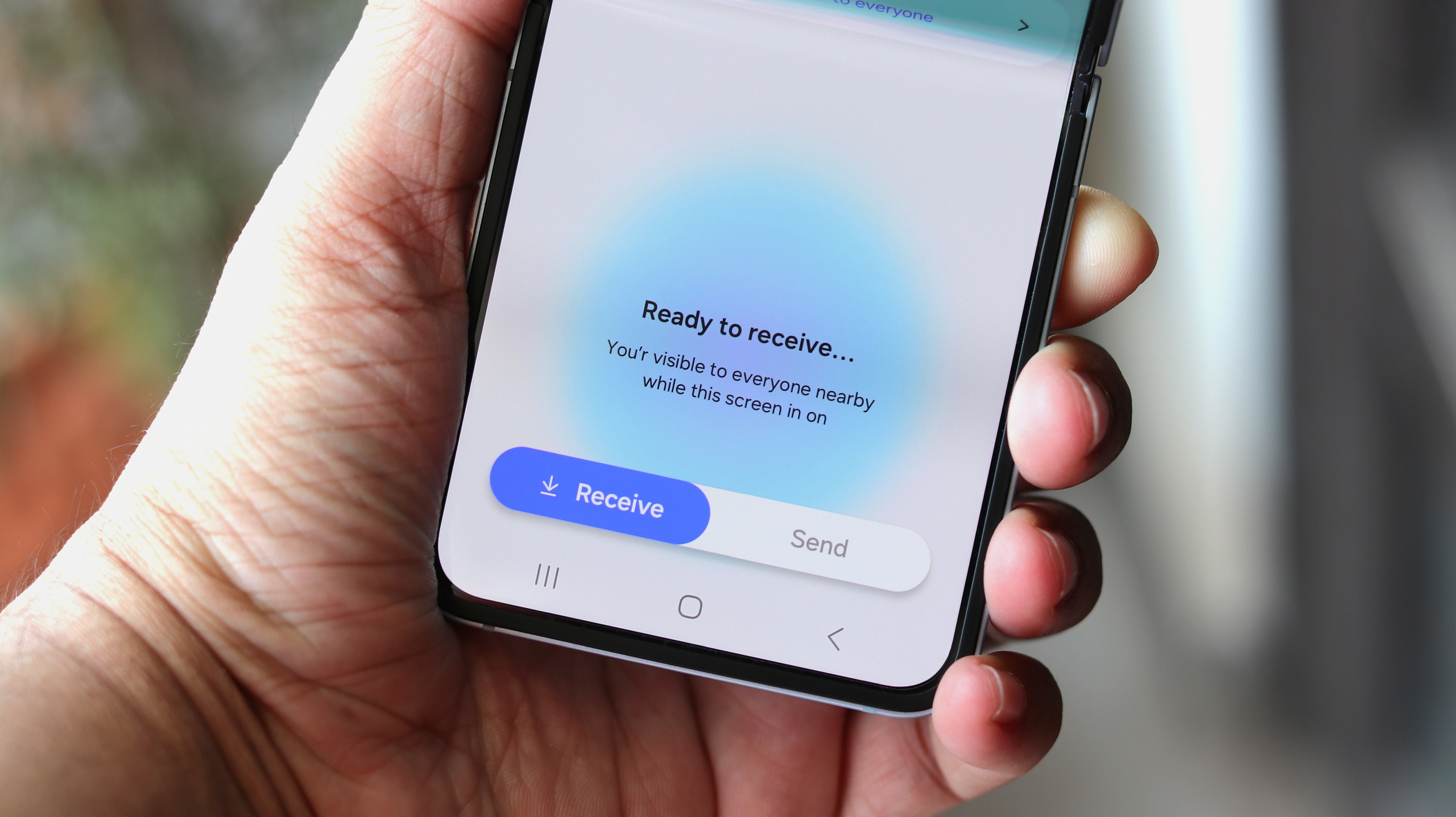
The Evolution of Quick Share and Its Expansion to Third-Party Ecosystems
Ever since its initial introduction, Quick Share has undergone major architectural evolutions. Key milestones include merging with Google's Nearby Share and introducing robust cross-platform compatibility. Looking ahead, Google is taking the technology further by empowering third-party developers on Android and Apple iOS platforms.
According to announcements made at the Android Dev Summit, the upcoming Quick Share SDK will allow developers to embed fast, wireless file-sharing workflows directly into their software environments. Scheduled for release in the first half of 2027, this toolset will enable apps to bypass the traditional Google system share sheet entirely.
Instead of navigating through multiple layers, users will experience a streamlined interface. When invoked inside a supported application, a compact bottom sheet will appear, allowing users to preview and dispatch files seamlessly to nearby recipients.
How will security and file quality be maintained during transfers?
Transfers executed through the new SDK rely on robust end-to-end encryption between devices operating on the same local network. Furthermore, the system automates local hotspot configuration and utilizes Wi-Fi Direct to guarantee rapid speeds without compressing photos, videos, or documents.
Will developers need to manage backend server infrastructure?
No. The SDK handles peer-to-peer routing locally, meaning developers are not required to maintain complex server infrastructure to support file transfers within their applications.
When can users expect to see these features in everyday apps?
With the official SDK scheduled for launch in early 2027, consumer-facing applications integrating native Quick Share functionality are expected to roll out during the second half of that year.
Which operating systems will be supported by the SDK?
The development kit is designed to provide cross-platform support, covering Android as well as Apple iOS and iPadOS ecosystems.
🔎 Ultimately, this upcoming developer kit represents a massive leap forward for cross-platform utility, bridging the gap between isolated application environments and efficient, native file distribution.
Post a Comment