
Google Set to Mandate App and Game Optimization for Android Foldables and Tablets
While foldable hardware has evolved rapidly over recent years, software optimization for big screens has often struggled to keep pace. To bridge this gap, Google is rolling out strict new guidelines that will require developers to optimize applications and games specifically for large-screen Android devices, foldables, and computers.
Summary
- ✨ Google is introducing mandatory adaptive quality standards for Android apps and games on large screens.
- ✨ Apps must achieve Tier 3 compliance by April 2027 to remain active or publish updates on the Play Store.
- ✨ Games must follow suit by August 2027, featuring proper display scaling and state preservation.
- ✨ Enhanced tiers reward developers with better visibility, merchandising, and advanced performance features.
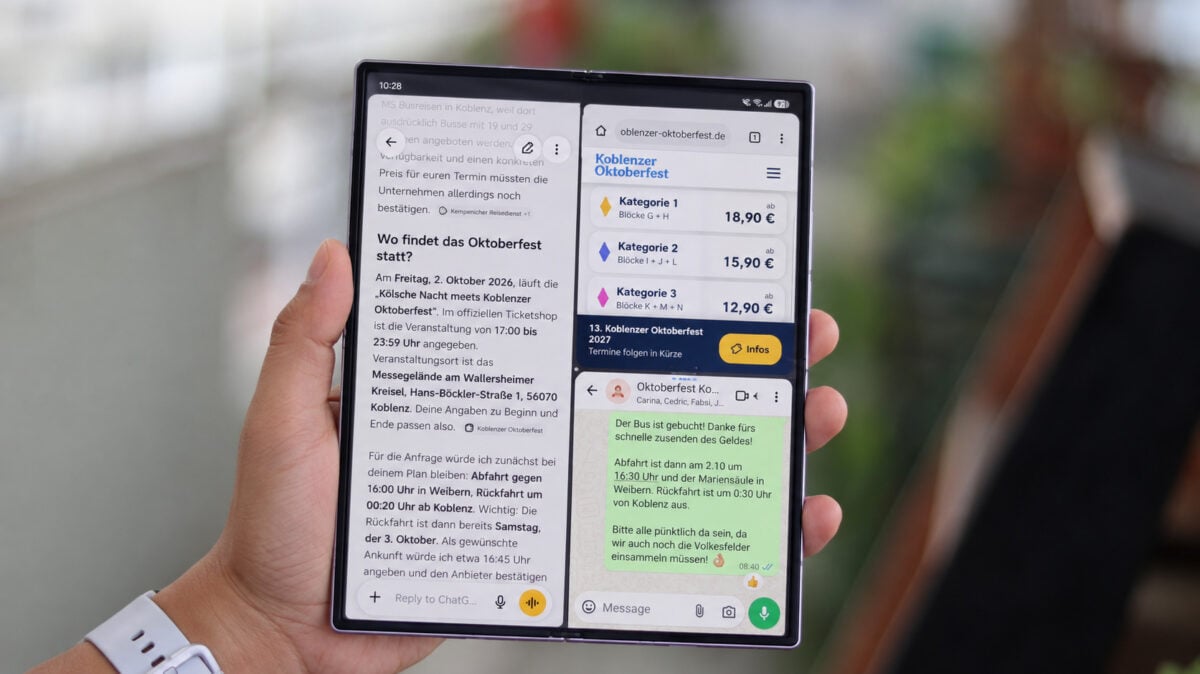
New Mandates for Google Play Store Apps by April 2027
When Google launched Android 12L back in 2022, it encouraged developers to adapt their software for larger screens and foldable form factors. However, voluntary adoption has been slow. Following shifts in the industry landscape, Google is stepping up requirements, mandating that all Android apps meet specific quality tiers starting in April 2027.
Developers must ensure proper scaling across varying screen sizes, aspect ratios, and folding mechanisms. The guidelines are split into three progressive tiers:
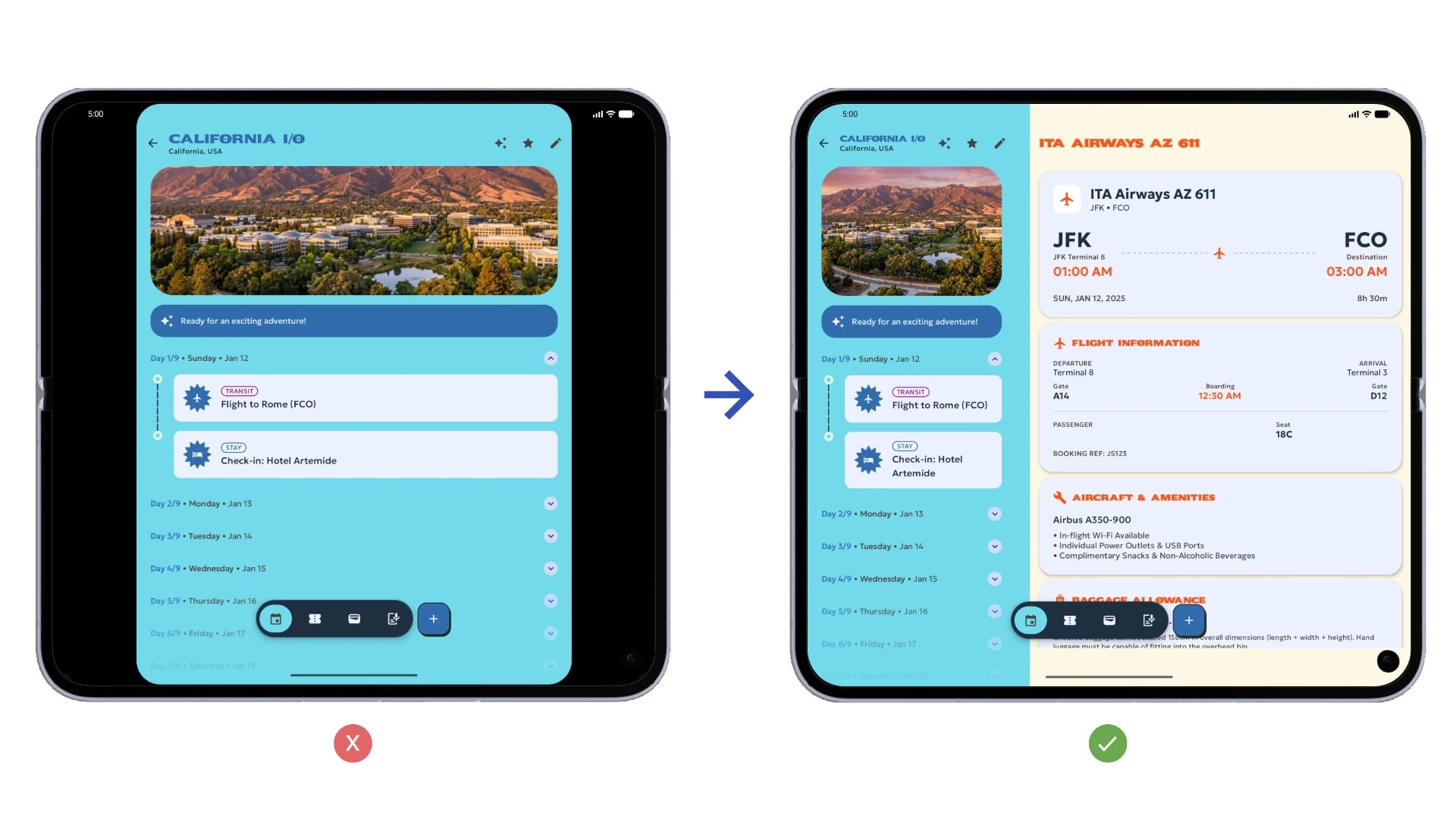
Tier 3 (Ready): Apps must efficiently utilize available screen space, avoid unnecessary black bars, support multiple orientations and windows (such as Samsung DeX), and preserve user states during folding, unfolding, or resizing.
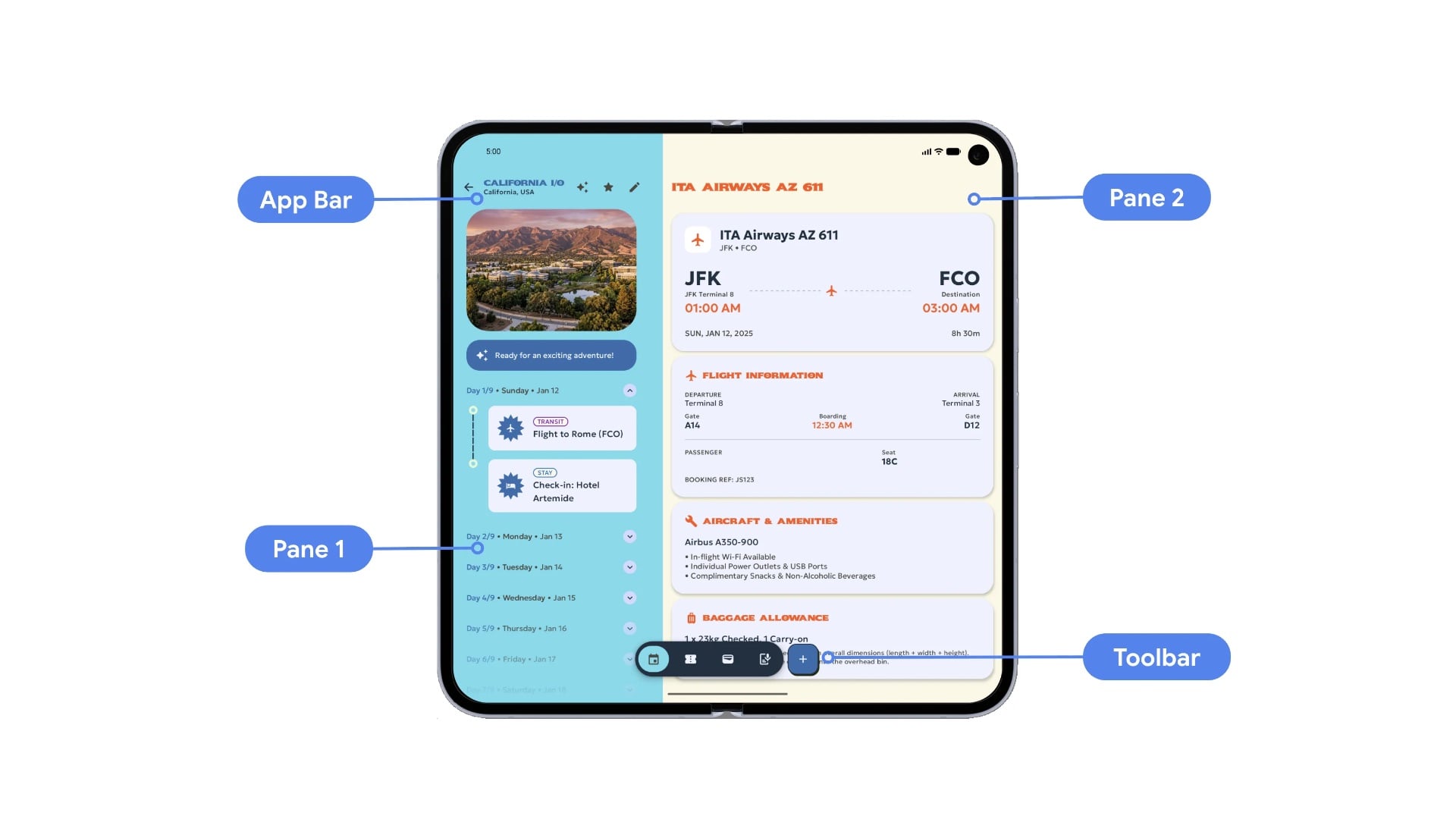
Tier 2 (Optimized): User interfaces must intelligently adapt to the current display, utilizing multi-pane layouts on larger screens instead of simply stretching a phone layout.
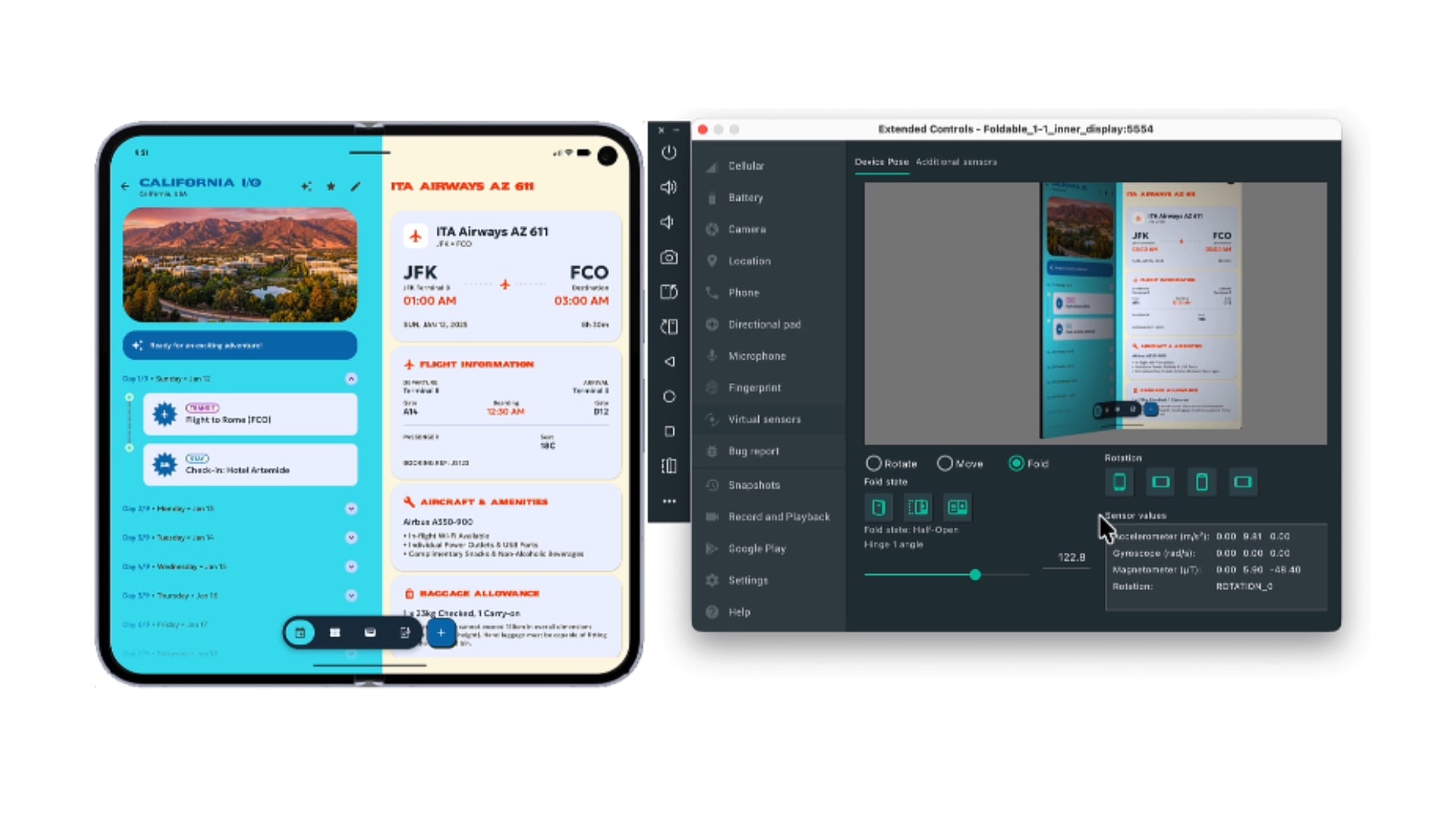
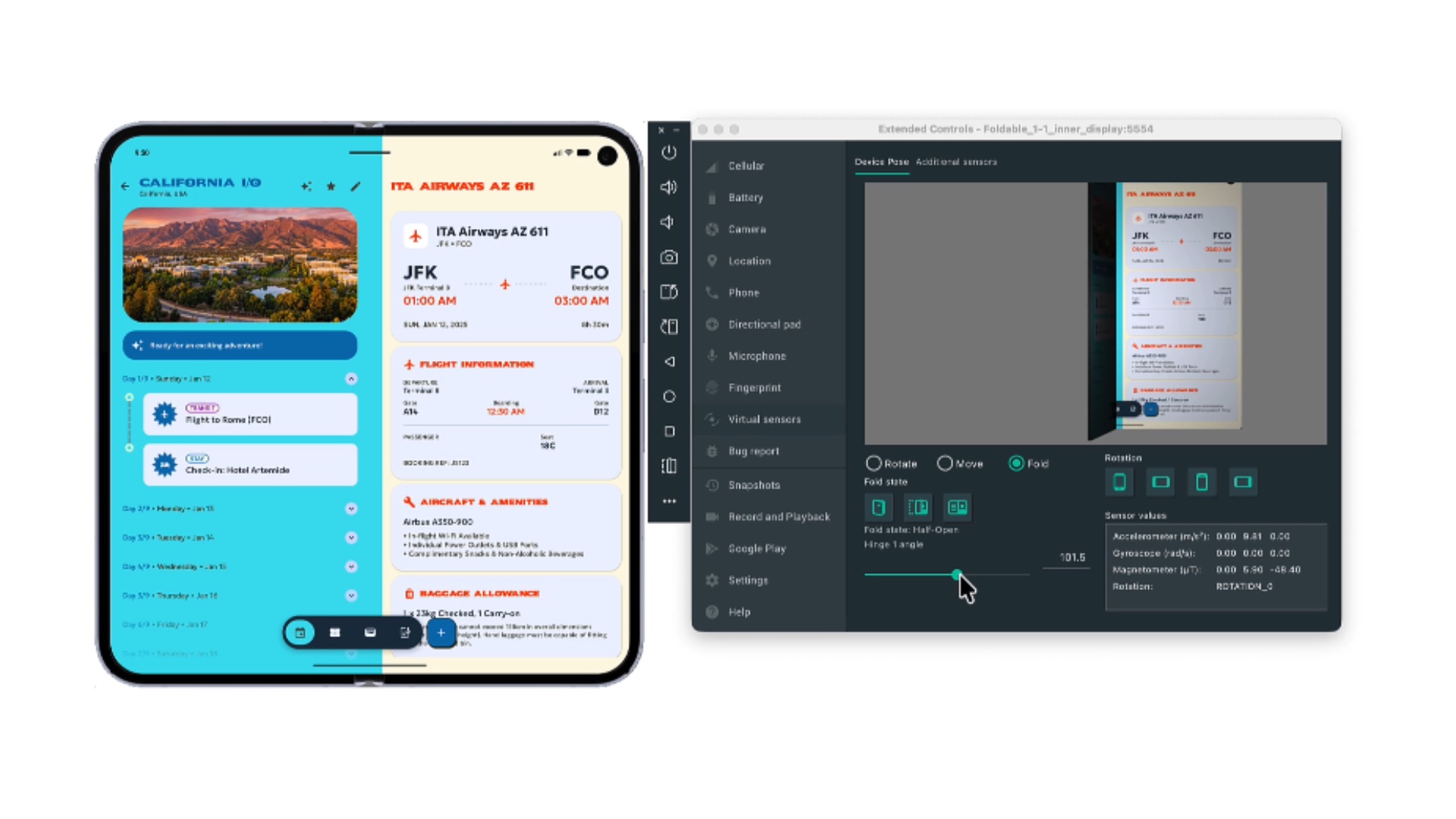
Tier 1 (Differentiated): Full embrace of foldable-specific layouts like tabletop and book-style modes, supporting high-frame-rate rendering at 60FPS and 120FPS, side-by-side multi-instance execution, and dynamic UI scaling.
Failure to hit at least the Tier 3 baseline by April 2027 will result in applications being blocked from publishing new updates or appearing on the store.
Game Optimization Requirements and Deadlines
Games are subject to similar rules, with a deadline set for August 2027. Developers must ensure full-screen rendering, unobstructed heads-up displays (HUDs), clean letterboxing, and seamless state preservation across screen transformations.
Additionally, starting in April 2027, developers submitting game updates or new titles must include dedicated foldable screenshots reflecting inner and outer screen aspect ratios.
What happens if developers fail to meet the new Google Play Store requirements?
Apps and games that do not meet at least the Tier 3 baseline standard by their respective deadlines in 2027 will be blocked from being published or receiving updates on the Google Play Store.
Are tablets and computers also affected by these changes?
Yes, these mandates cover big-screen Android devices broadly, ensuring optimized performance across foldables, tablets, and computers powered by compatible systems.
What specific features are rewarded in the higher optimization tiers?
Higher tiers encourage advanced additions like external controller support, high-frame-rate rendering up to 120FPS, multi-pane layouts, and thermal stability, rewarding developers with better store visibility and special badges.
How will this impact hardware like the Galaxy Z series?
These changes will significantly elevate the overall software ecosystem, making multitasking and gaming on Galaxy Z series foldables and desktop environments like Samsung DeX vastly more cohesive and reliable.
🔎 Ultimately, this enforcement marks a major turning point for the platform, ensuring that modern hardware is finally matched by equally capable, well-optimized software experiences.
Post a Comment