
Why Google's Privacy Policies Block Samsung Smart Glasses from Live-Streaming
Smart eyewear that can be worn seamlessly throughout the day and used to record high-definition videos instantly is rapidly gaining mainstream popularity. However, this convenience brings complex security challenges. As tech giants push into wearable tech, balancing user utility with public privacy remains a paramount hurdle.
Executive Summary
- ✨ Google’s strict regulations for Intelligent Eyewear completely prohibit applications from utilizing embedded cameras for real-time social live-streaming or facial recognition.
- ✨ The hardware remains fully capable of standard video capture, featuring physical LED indicators while supporting Gemini-powered object recognition and video calling.
- ✨ Unlike competing products like Meta's Ray-Ban collection, Samsung's new wearables lack direct, native integration for platforms like Instagram or Facebook Live.
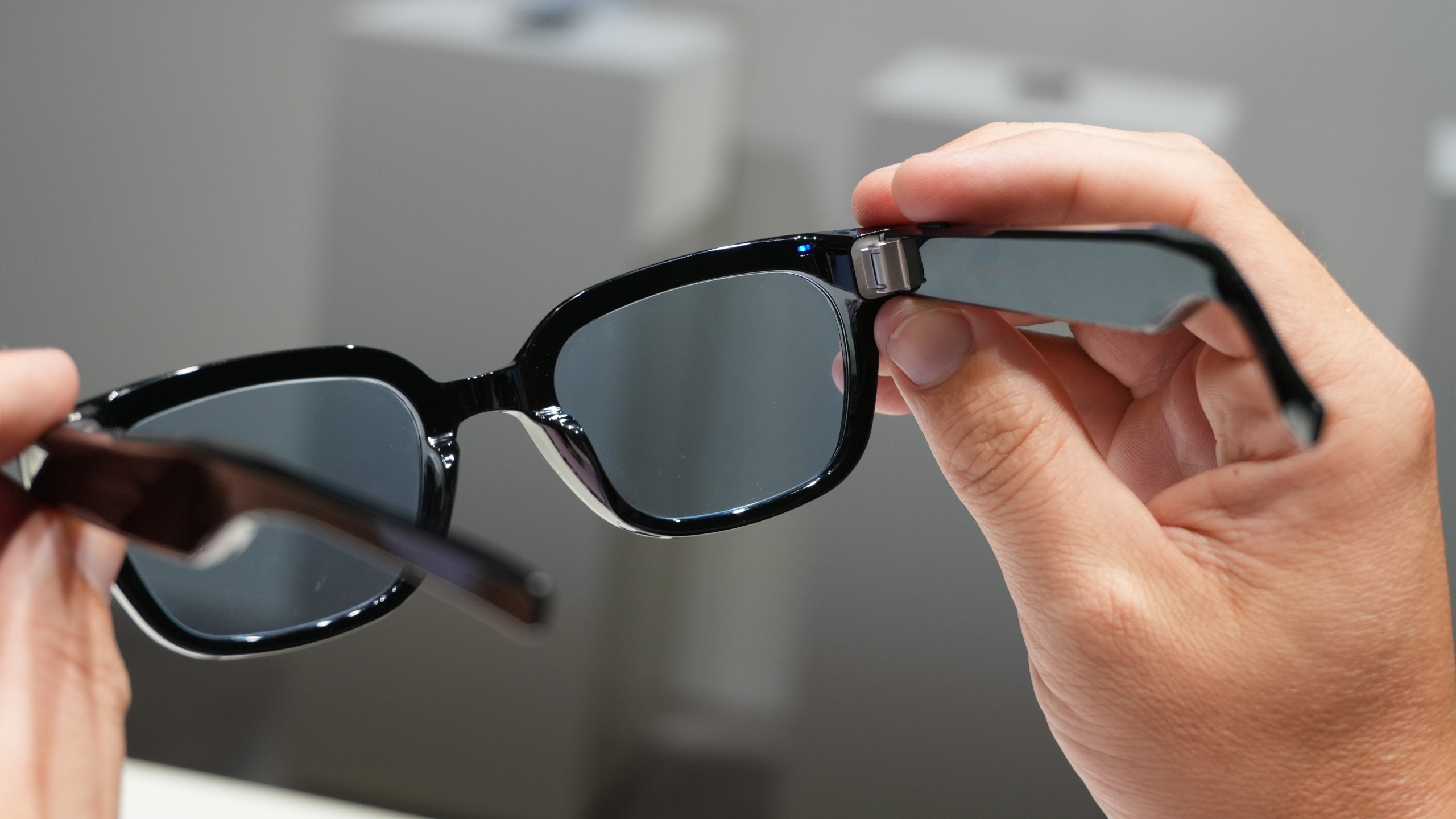
Understanding the Privacy Regulations on Android XR Wearables
To address potential surveillance and confidentiality concerns, major developers like Samsung and Google have established strict safeguards for their ecosystem. Aiming to protect both device operators and unsuspecting bystanders, these frameworks include prominent hardware indicators, such as bright LED lights that activate immediately whenever the recording function starts.
While these protective measures are well-intentioned, they introduce functional limitations. Specifically, strict software restrictions may give competing hardware manufacturers a strategic advantage in content creation markets.
Intelligent Eyewear Restrictions and Live-Streaming Bans
The official compliance documentation published for Gentle Monster and Warby Parker integrations highlights a clear boundary regarding application capabilities:
Google Play policies explicitly prohibit third-party apps from utilizing integrated camera lenses for real-time social live-streaming or continuous facial tracking, and forbid any software modifications to the hardware indicator light.
Consequently, users hoping to utilize their advanced Google-powered specs for first-person POV broadcasts or real-time streaming will face software blocks. Google Play prevents developers from deploying camera feeds directly into live-streaming services.
This strategy contrasts sharply with competitors like Meta, whose smart glasses feature native integration allowing direct streaming to Instagram and Facebook. Although users can still capture offline clips and upload them to YouTube manually—provided they adhere to standard platform guidelines—direct, live-stream broadcasting from Samsung hardware remains disabled.
Will Native Streaming Support Arrive in Future Updates?
Industry analysts remain uncertain about future software expansions. Because Alphabet oversees both Google and YouTube, relaxing these policies to permit direct video streaming is technically feasible. However, leadership prioritizes public trust and privacy preservation over unrestricted recording capabilities.
For now, Samsung frames its hardware around interpersonal communication, one-on-one video assistance, and contextual AI utilities. While this stance inconveniences content creators, it provides robust safety reassurances for the general public.
Can users record videos for offline sharing?
Yes, operators can record videos locally, review captured media, and manually upload files to supported video platforms as long as the content complies with local community standards.
Why are live-streaming apps blocked on these glasses?
Strict Google Play guidelines prevent real-time video broadcasting and facial identification to protect bystander privacy and prevent covert recording in public spaces.
Do these restrictions apply to video calls?
No, private, point-to-point video communication and standard assistant features remain fully supported under the device safety framework.
How can bystanders tell if the glasses are active?
The hardware includes a built-in LED notification light that illuminates automatically whenever the camera sensor begins capturing video.
🔎 Ultimately, Samsung and Google's conservative software approach establishes a high baseline for wearable ethics. While it creates a hurdle for live-streaming enthusiasts, it successfully mitigates surveillance risks, striking a careful balance between emerging wearable technology and public privacy rights.
Post a Comment